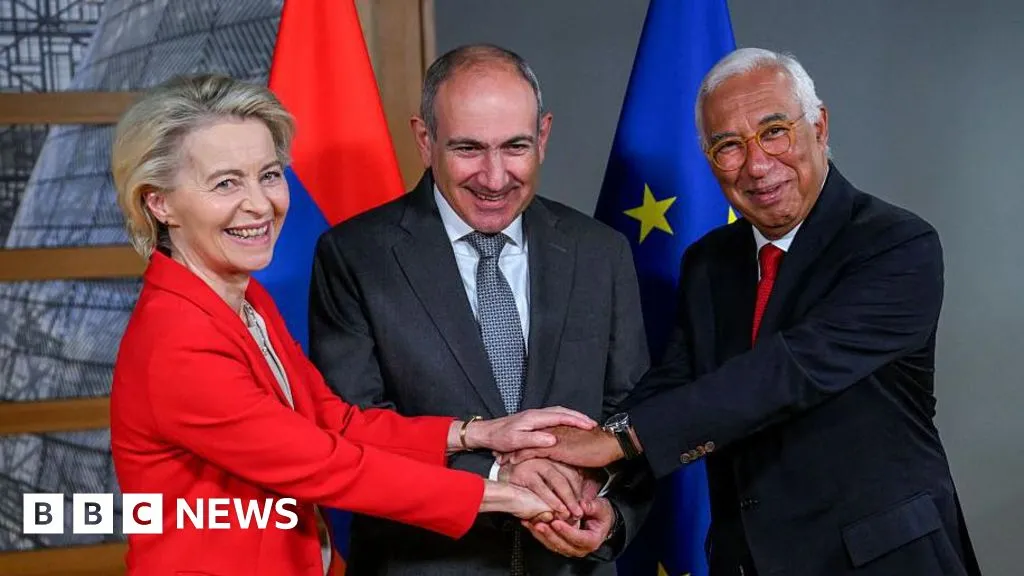
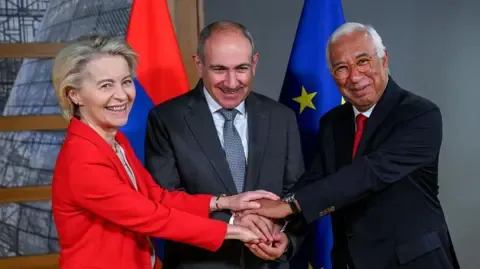
In what diplomats are calling a "significant shift" and what Russia is almost certainly calling something far less printable, European leaders have descended on Armenia for not one but two major summits - right in the heart of a country that was, until very recently, considered Moscow's most reliable friend in the South Caucasus.
According to BBC News, the summits mark a remarkable moment in regional geopolitics. Armenia, a longtime member of the Russian-led Collective Security Treaty Organization (CSTO) and deeply integrated into Moscow's economic orbit, is now playing host to high-level European diplomatic gatherings - a move that would have seemed almost unthinkable just a few years ago.
So what happened?
The short version: the 2020 Nagorno-Karabakh war, and then its devastating 2023 sequel, happened. Russia - Armenia's supposed security guarantor - sat on its hands while Azerbaijan recaptured the disputed region and ultimately ended the Armenian presence there entirely. The CSTO, which Armenia had paid dues into for decades like some kind of geopolitical insurance policy, turned out to be about as useful as a screen door on a submarine.
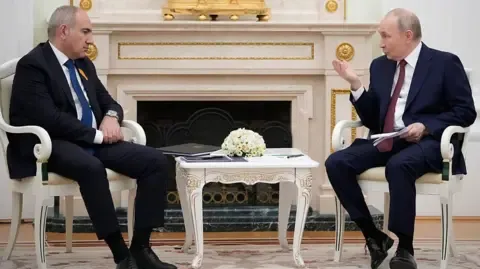
Armenian Prime Minister Nikol Pashinyan has made no secret of his frustration with Moscow. His government has since frozen its participation in CSTO activities, suspended obligations under the alliance, and begun tilting - cautiously but visibly - toward the West.
Europe showing up in force
The dual summits signal that the EU is very much interested in capitalizing on this opening. European leaders appear eager to deepen ties with Yerevan, and Armenia appears eager to let them. Whether this translates into anything concrete - trade agreements, visa liberalization, or longer-term integration frameworks - remains to be seen, but the symbolism alone is enormous.
For Russia, this is the geopolitical equivalent of your best friend from school suddenly starting to hang out with your sworn enemy. Awkward at best, alarming at worst.
Not a done deal
It's worth noting that Armenia's westward drift is not irreversible. The country still has deep economic, cultural, and historical ties to Russia. A large Armenian diaspora lives in Russia, and energy dependency does not disappear overnight. Analysts caution that Yerevan is navigating an extremely delicate balancing act - it wants European engagement without completely torching its relationship with a much larger, nuclear-armed neighbor that still has troops stationed on Armenian soil.
Still, the optics of two European summits being held in what was once considered Russia's closest Caucasian ally are hard to spin as anything other than a significant moment. Moscow is watching. And for once, it is not the one being invited to the table.