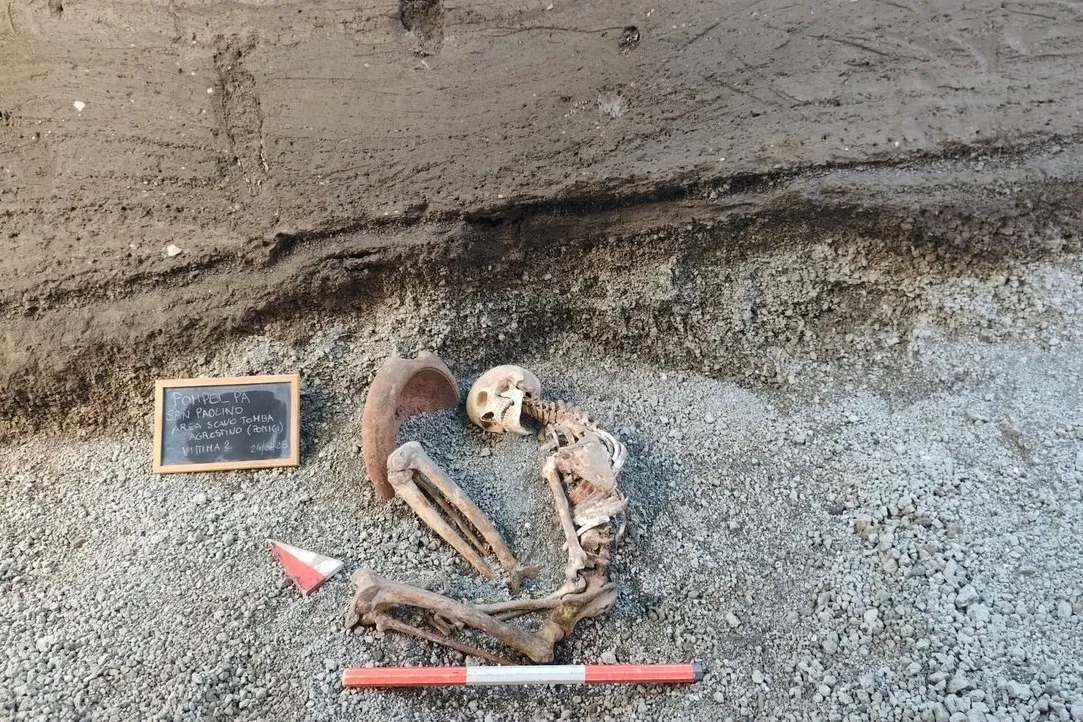
In what is simultaneously the coolest and most existentially unsettling archaeology news of the year, researchers have used artificial intelligence to digitally reconstruct the face of a man who was killed during the catastrophic eruption of Mount Vesuvius in 79 AD - the disaster that buried the Roman city of Pompeii under meters of volcanic ash and rock.
According to NPR, this marks the first time AI has been used to perform such a reconstruction on a Pompeii victim, opening up a genuinely new frontier in how scientists and historians can connect with one of antiquity's most famous tragedies.
Who was this guy?
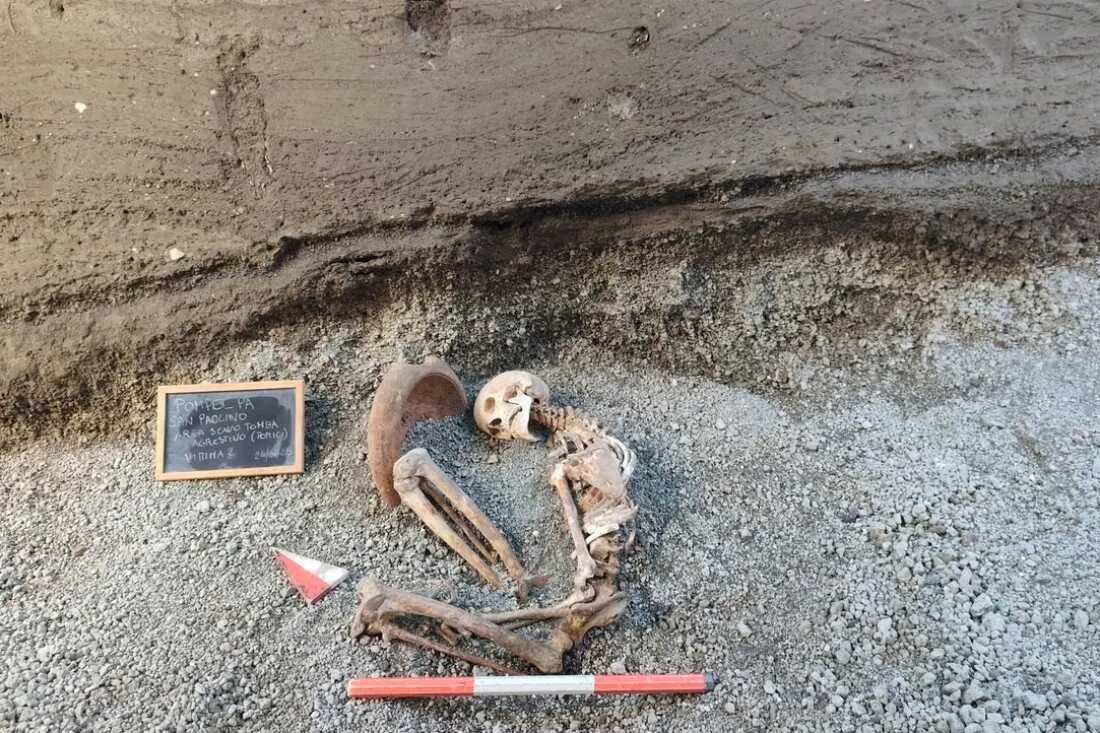
That, dear reader, is still largely a mystery - which honestly makes this whole thing even more poignant. Archaeologists were able to work from the physical remains preserved at the site to generate the facial reconstruction. What we do know is that he was a real person, living a real Roman life, right up until Vesuvius had other plans for the entire city of Pompeii.
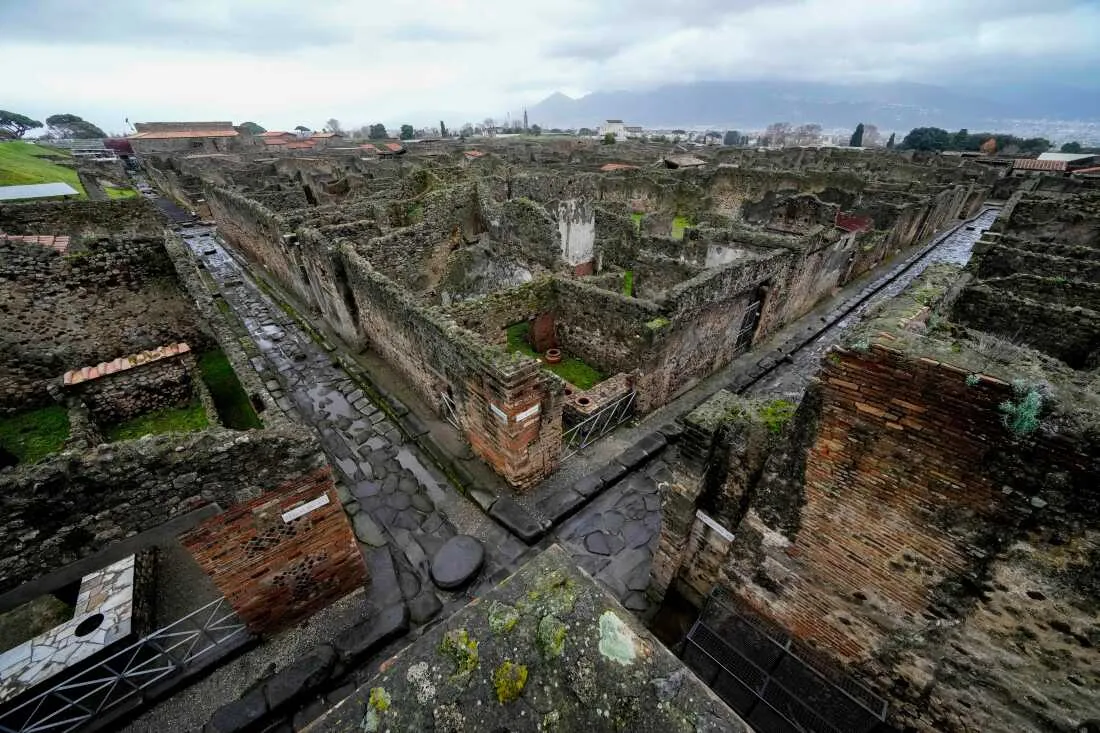
The eruption of 79 AD is one of the most documented natural disasters of the ancient world, partly because a young Pliny the Younger wrote eyewitness accounts of it, and partly because the volcanic material preserved the city - and its people - in extraordinary detail. That detail is now being pushed even further with modern AI tools.
Why does this matter beyond being incredibly cool?
Beyond the obvious "we literally just saw a Roman man's face" factor, this technique has significant implications for archaeological research more broadly. Facial reconstruction from remains is not new, but applying AI to the process can potentially make it faster, more accessible, and more detailed - meaning more victims of historical disasters could one day be individually humanized rather than remaining anonymous casualties of history.
It also raises some genuinely interesting ethical questions about digital reconstruction of human remains, though those conversations are very much ongoing in the scientific community.
The takeaway
Somewhere between "incredible scientific achievement" and "deeply strange Tuesday," we now live in a world where you can look at the face of a man who died when the Roman Empire was very much still a going concern. The Pompeii excavation sites continue to yield new discoveries regularly, and if AI-assisted reconstruction becomes a standard tool, we may be seeing a lot more faces from the ancient world in the coming years.
Vesuvius, for its part, has not commented.