In what is either the most exciting or most terrifying news of the week depending on how you feel about doctors, a new study has found that an AI model outperformed emergency room physicians at diagnosing patients and making care decisions. The findings were reported by NPR on April 30, 2026.
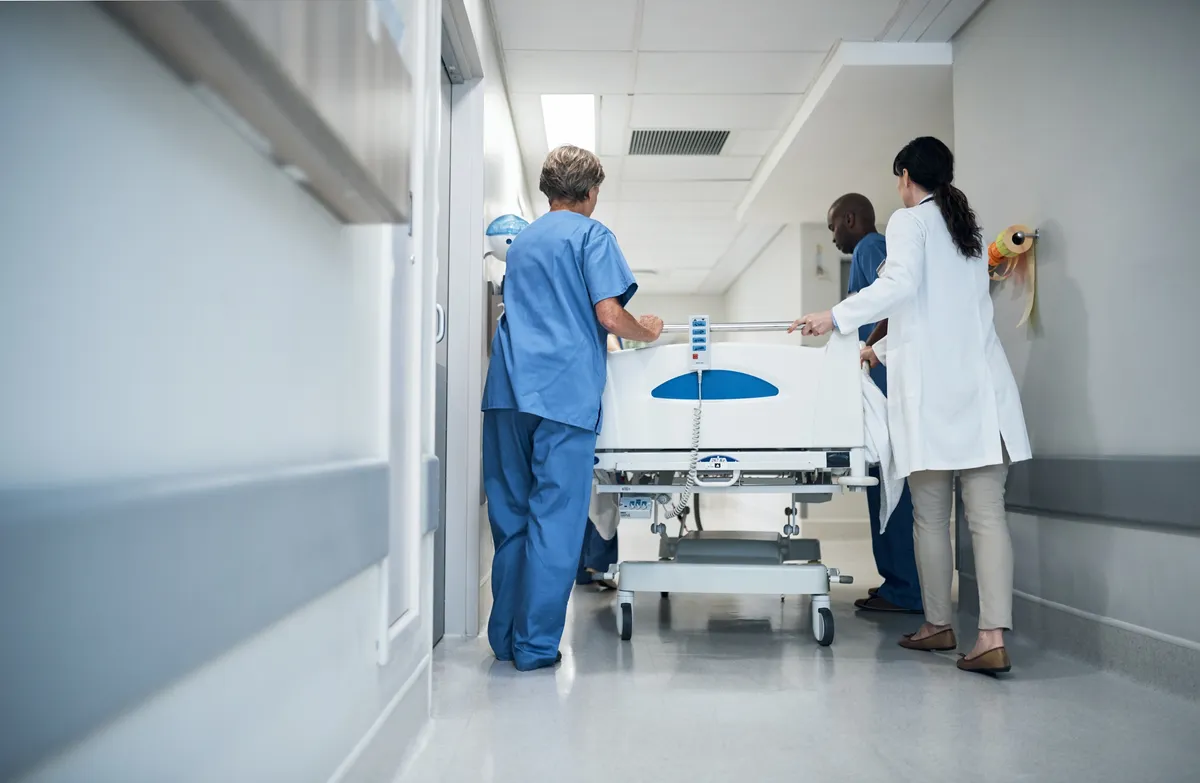
Researchers put an AI model through its paces in a real-world evaluation, testing how accurately it could diagnose patients and recommend appropriate care - the bread and butter of what ER doctors do under pressure, with bad lighting, and usually on hour nine of a twelve-hour shift. The AI, unburdened by exhaustion, hunger, or the general chaos of a hospital waiting room, reportedly came out on top.
So what exactly did they test?
According to the NPR report, the study evaluated the AI's performance on actual patient cases, measuring both diagnostic accuracy and the quality of care decisions. The model was not just playing a trivia game with medical flashcards - it was being assessed on the kind of nuanced, high-stakes calls that physicians make every day.
The results suggest the AI performed better than its human counterparts, which is a sentence that would have sounded like science fiction roughly five years ago and now sounds like a Tuesday.
Before you cancel your next doctor's appointment...
It is worth pumping the brakes on the panic just a little. One study, however impressive, does not mean AI is ready to staff your local emergency room solo. Real-world medicine involves a staggering number of variables - physical examinations, patient communication, ethical judgment calls, and the occasional situation where someone comes in claiming their elbow "just feels weird." AI handles text and data brilliantly; it is considerably less experienced with the full messiness of human bodies and human beings.
Experts and researchers in the medical AI space have long argued that the most promising role for these tools is as a support system for clinicians rather than a replacement. Think of it less as "robot takes your doctor's job" and more as "doctor gets a very smart, very fast second opinion that never calls in sick."
Why this still matters a lot
Even with all the appropriate caveats, results like these are a genuinely big deal. Misdiagnosis in emergency settings is a well-documented problem with serious consequences for patients. If AI tools can help catch what a fatigued physician might miss, the potential upside for patient outcomes is enormous.
The study adds to a growing body of research suggesting that AI is becoming a legitimate force in clinical medicine - not just for administrative tasks or paperwork, but for the hard diagnostic thinking at the core of the job.
Whether this makes you feel hopeful about the future of healthcare or quietly anxious about what else AI might be better at than us, one thing is clear: the machines are studying, and they are not goofing off on their phones during lecture.