For decades, studying obesity meant poking at one organ at a time, like a mechanic diagnosing a car engine by sniffing the exhaust. Liver? Check. Heart? Check. Kidneys? Sure, why not. It was slow, fragmented, and frankly a bit ridiculous given what we know about how interconnected the human body actually is.
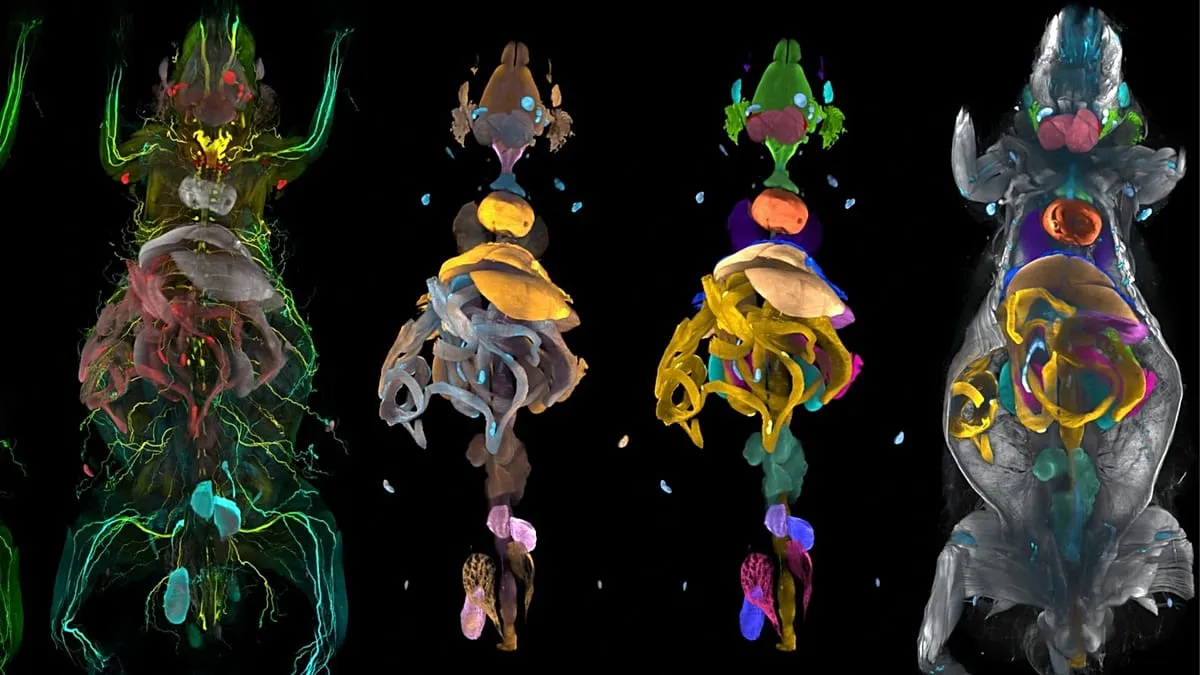
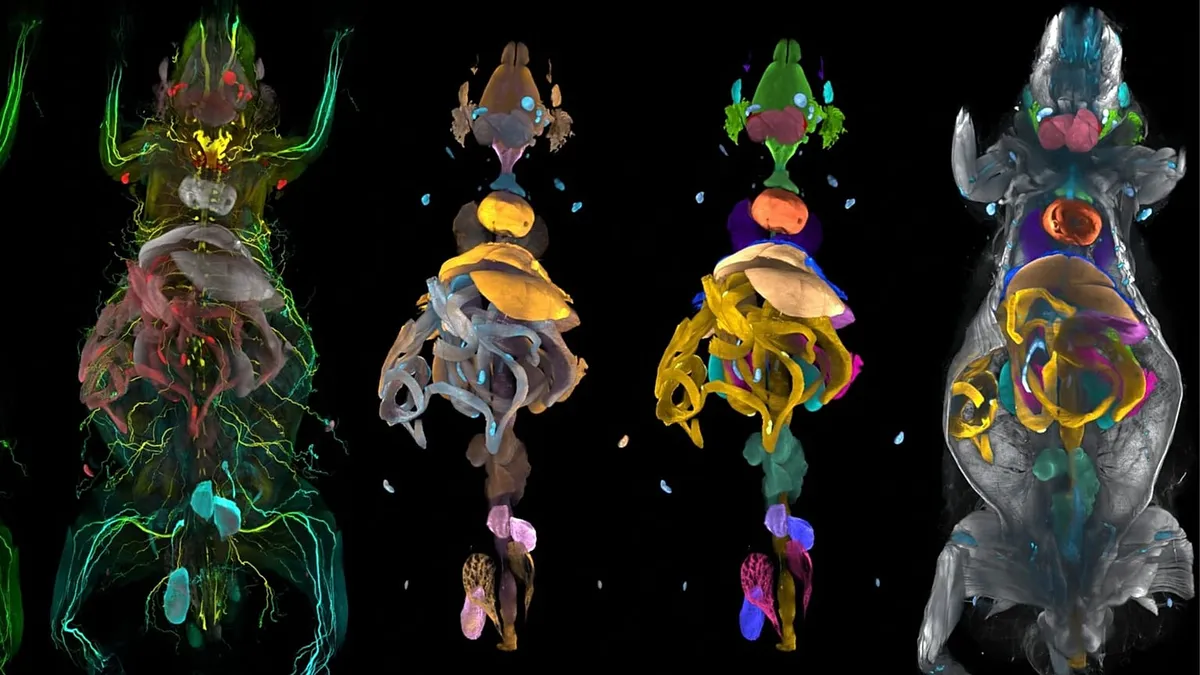
Well, science just leveled up. Researchers have developed an AI-powered 'body atlas' that maps how obesity affects the entire human body in one unified view, according to a report by Euronews Health. Think of it as Google Maps for your physiology, but instead of traffic jams, it shows you where metabolic chaos is unfolding.
So what actually is this thing?
The atlas uses artificial intelligence to synthesize biological data across multiple organ systems simultaneously, giving scientists an unprecedented bird's-eye view of obesity's full-body impact. Rather than studying each affected area in isolation, researchers can now observe patterns, connections, and cascading effects that would previously have been nearly impossible to detect without years of cross-referencing separate studies.
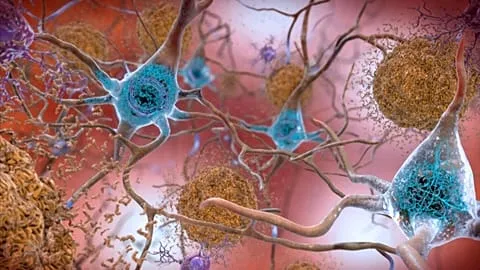
This is a genuinely big deal. Obesity is not just a 'fat problem' - it is a systemic condition that touches cardiovascular health, hormonal regulation, inflammation, liver function, joint stress, and a whole parade of other biological processes. Studying it organ-by-organ was like trying to understand a symphony by listening to one instrument at a time.
Why does this matter for regular humans?
The practical applications here are significant. A whole-body atlas approach could help doctors better understand why obesity-related conditions develop differently across patients, potentially leading to more targeted treatments rather than one-size-fits-all interventions. It could also accelerate drug discovery by revealing which biological pathways are most critically disrupted.
It also represents a broader shift in how medicine is beginning to use AI - not just to automate paperwork or read scans faster, but to synthesize enormous amounts of complex biological data into something actually actionable.

The catch (there's always a catch)
As with most early-stage scientific tools, the atlas is primarily a research instrument right now, not something your GP is going to pull up at your next checkup. Translating these kinds of large-scale biological maps into clinical practice takes time, validation, and frankly a lot of regulatory paperwork.
But the direction of travel is clear. We are moving toward a world where medicine looks at the body as the deeply interconnected system it actually is, rather than a collection of semi-related parts. And if AI can help get us there faster, the body-map nerds might just save a few lives in the process.