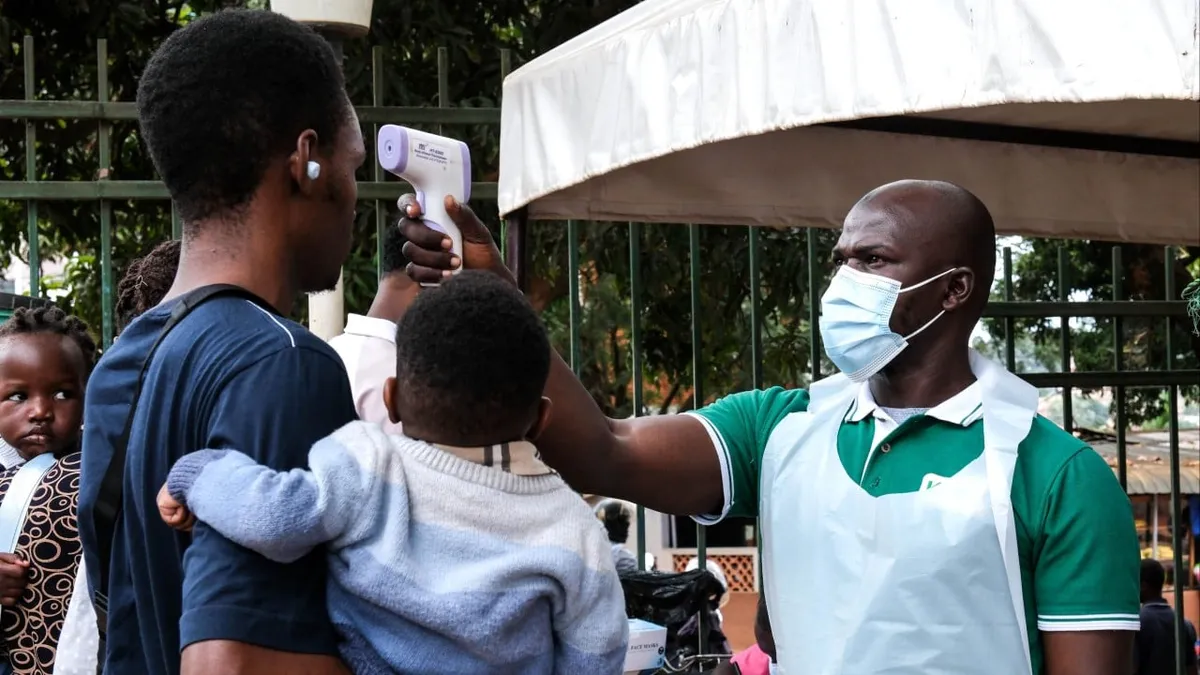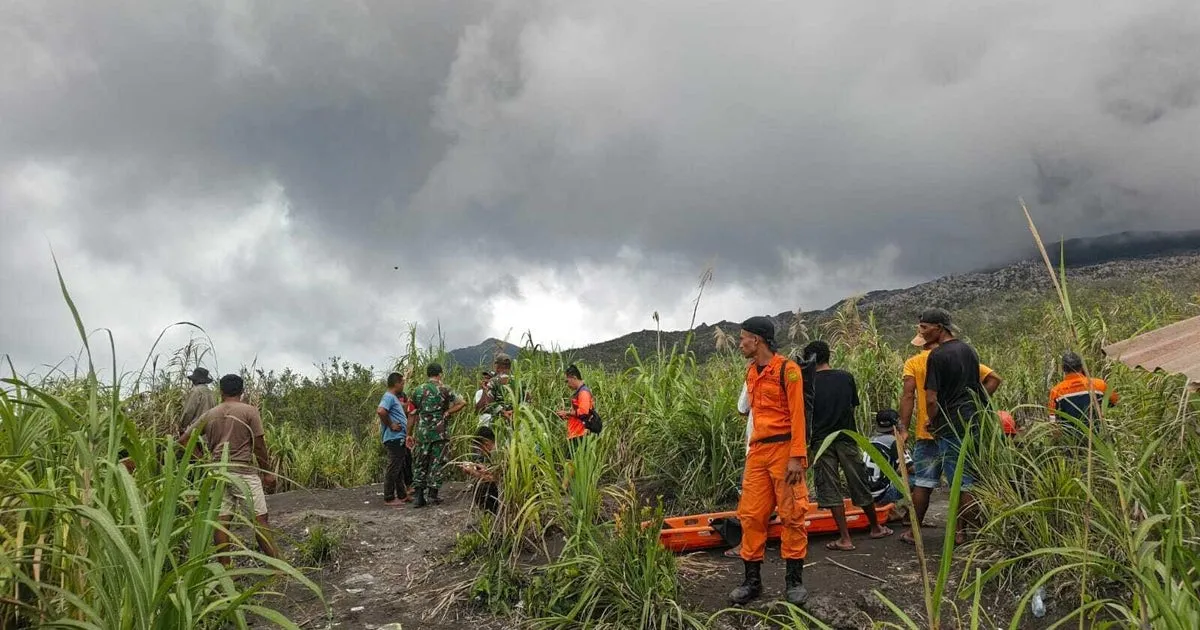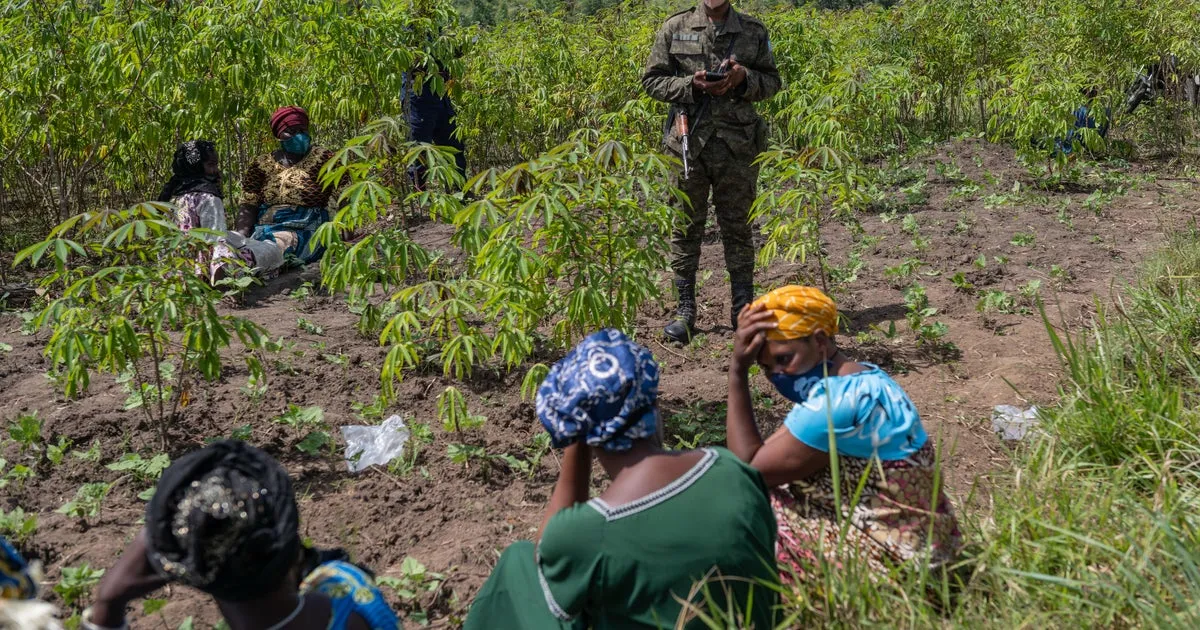
In what can only be described as the most counterproductive protest in recent memory, angry residents in eastern Democratic Republic of Congo attacked and burned a tent belonging to a health treatment center - the very facility trying to stop the Ebola outbreak currently tearing through their community. This is, to be clear, the second such attack on a treatment center in the region, according to CBS News.
Yes, you read that right. Second time.
What actually happened
The incident took place in a town sitting at the very epicenter of the Congo Ebola outbreak in the eastern part of the country. Residents reportedly stormed the health center and set fire to a treatment tent, leaving health workers and international responders scrambling to contain both the flames and the ongoing viral crisis simultaneously.
The eastern DRC region has been battling one of the most complex Ebola outbreaks in history, compounded by active armed conflict in the area, deep-rooted community distrust of outside health authorities, and widespread misinformation about the disease and its treatment.
Why would anyone do this?
As baffling as it looks from the outside, there is important context here. Local communities in eastern Congo have historically had fraught relationships with government institutions and foreign organizations. Rumors and misinformation - including claims that treatment centers are actually places where people go to die, or worse, to be killed - have circulated widely in the region. Fear, grief, and a lack of transparent communication from authorities have all fueled deep suspicion.
Armed militia groups operating in the area have also reportedly stoked anti-response sentiment, using the outbreak as a recruitment and destabilization tool, according to health officials and journalists covering the region.

The bigger problem nobody wants to talk about
The World Health Organization and Congolese health authorities have repeatedly stressed that community trust is not a soft, optional component of outbreak response - it is the whole ballgame. Without it, contact tracing collapses, patients avoid treatment until they are critically ill, and the virus spreads further and faster.
Burning down treatment centers is, medically speaking, not a great mitigation strategy. But it is a loud signal that the public health response has a serious community engagement problem that body counts and containment zones alone cannot fix.
As of the time of reporting, response teams were working to assess the damage and continue operations. Health workers on the ground - many of them local Congolese nationals risking their own lives daily - continue to show up. Which, given the circumstances, takes a particular kind of extraordinary courage.