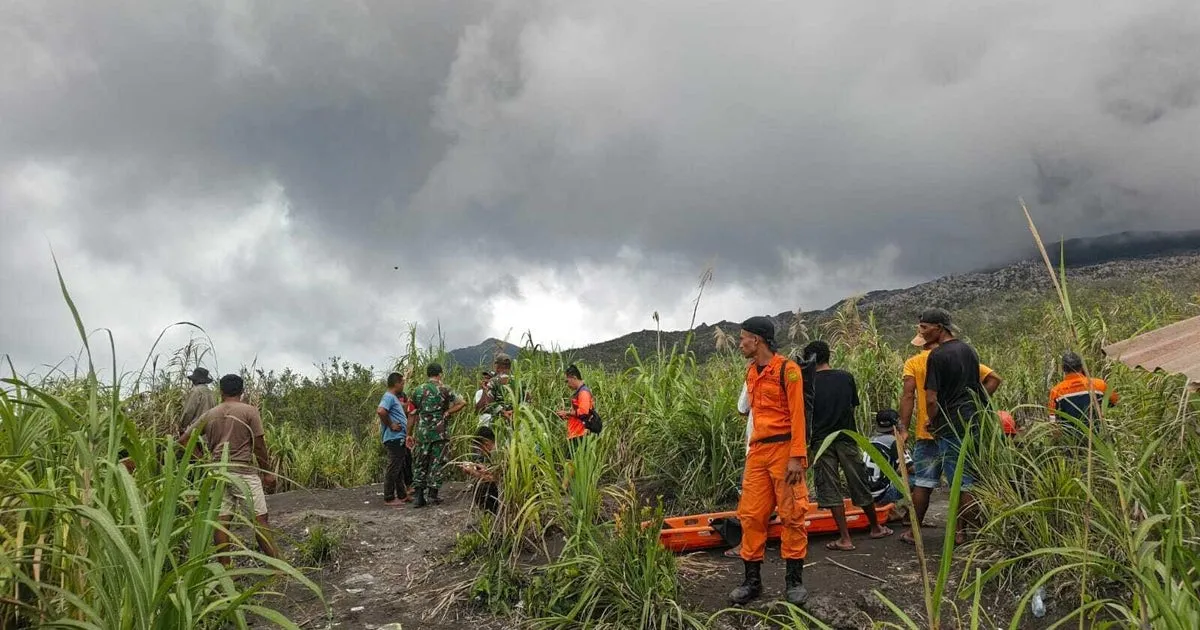
If you thought 2025 needed one more genuinely terrifying headline, here it is. A fresh Ebola outbreak has erupted in the Democratic Republic of Congo's eastern Ituri province, and the numbers are climbing at a pace that has health authorities sprinting to catch up.
According to reporting by the South China Morning Post, Congolese officials formally announced the outbreak on Friday with 65 deaths and 246 suspected cases on the books. By Saturday - yes, the very next day - the confirmed death toll had already jumped to at least 80. That is not a typo.
Bunia residents describe a nightmare in real time
In Bunia, the provincial capital of Ituri, the human reality behind those numbers is gut-wrenching. Local residents spoke to reporters about the relentless rhythm of loss that has taken hold of their city. In their telling, a single day can mean multiple burials, and this has reportedly been going on for roughly a week before authorities even made a public announcement.
That timing detail is worth sitting with for a second. By the time the world was officially told about this outbreak, Ituri residents had already been living inside it for days.
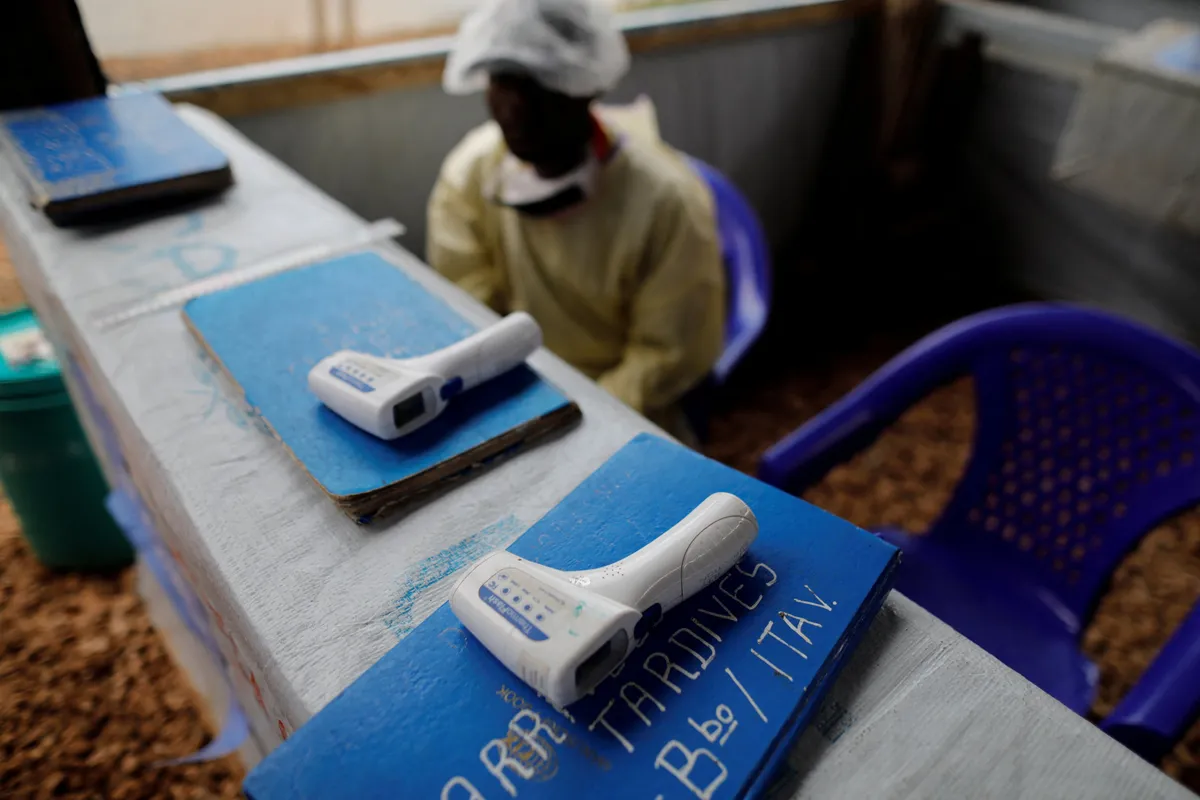
Health workers are now in overdrive
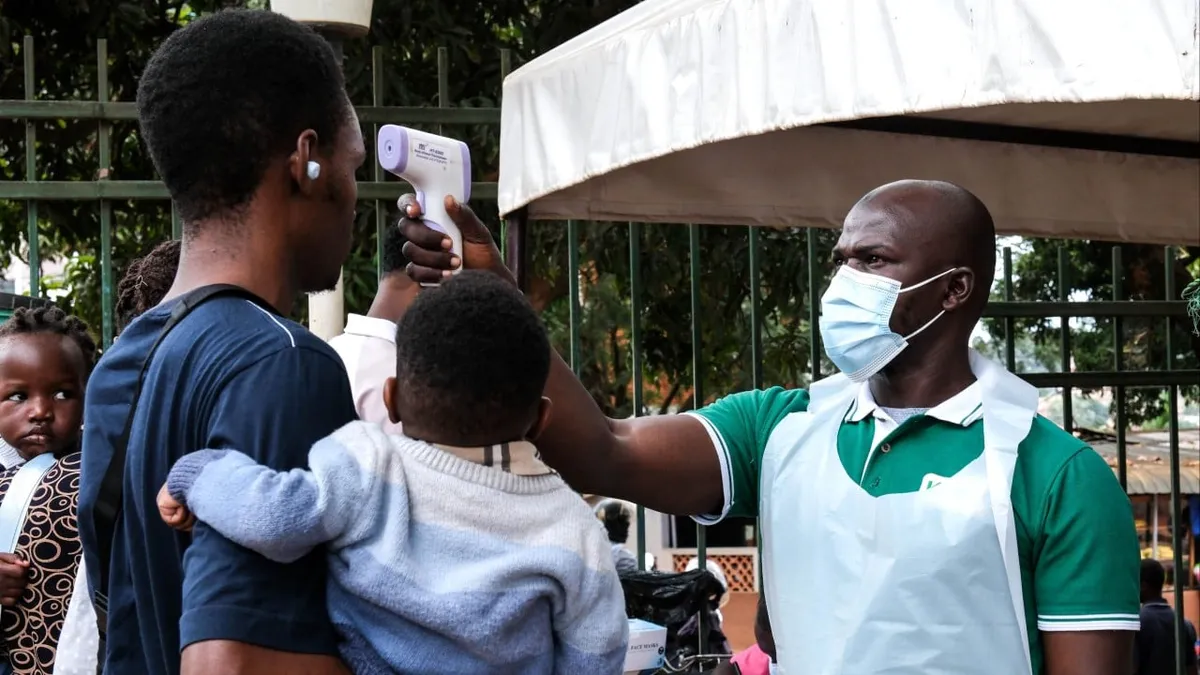
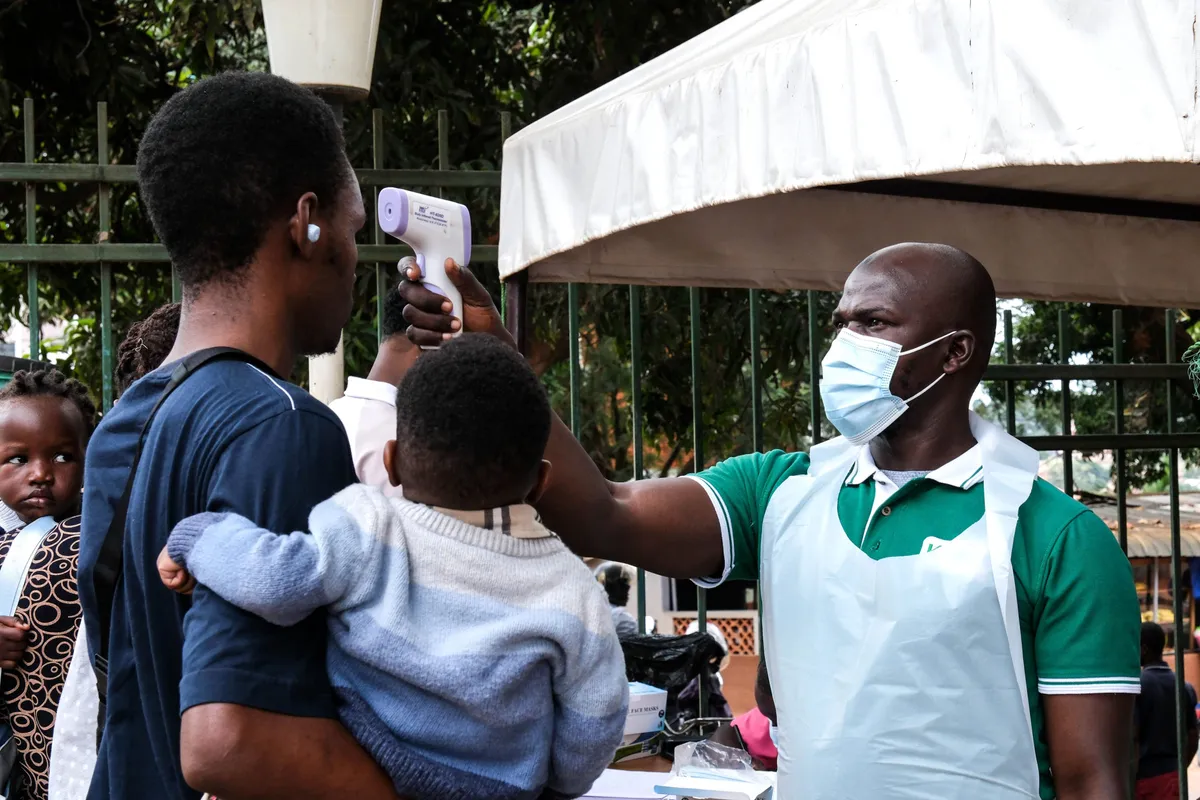
Authorities say they are intensifying screening protocols and contact tracing efforts across the affected area. Contact tracing is the painstaking process of identifying every person who may have been exposed to a confirmed case - critical for a virus like Ebola, which spreads through direct contact with the bodily fluids of infected individuals and carries a historically high fatality rate.
Congo is, unfortunately, no stranger to Ebola. The country has experienced more outbreaks of the disease than any other nation on Earth, including a devastating 2018-2020 epidemic - also centered in eastern Congo - that killed more than 2,200 people and became the second-deadliest Ebola outbreak in recorded history.
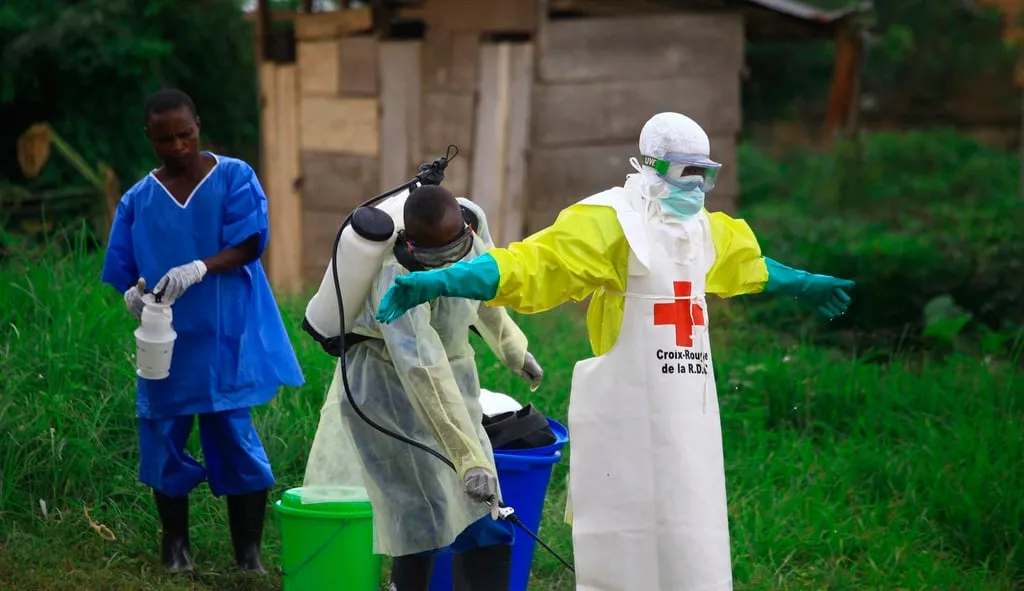
Why this one demands attention right now
Eastern Congo already faces enormous humanitarian challenges, including ongoing armed conflict and displacement that complicate public health responses significantly. Containing an Ebola outbreak in a stable, well-resourced environment is hard enough. Doing it in Ituri - a region that has seen persistent instability - is a genuinely serious logistical and humanitarian challenge.
The World Health Organization and international partners have not yet issued a formal statement at the time of this writing, but all eyes will be on whether the contact tracing effort can get ahead of the virus before case counts climb further.
For now, the burials in Bunia continue.