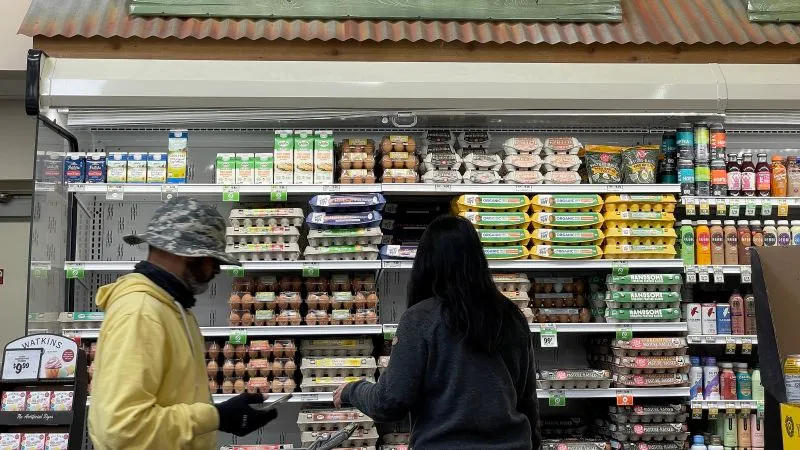
Remember March 2023? Banks were collapsing, everyone was doomscrolling, and apparently, Americans collectively decided to hold onto their cash like it was a lifeboat on the Titanic. Retail spending in the US took a notable dip last month, according to CNN, as consumers pulled back amid swirling fears of a recession turbocharged by the banking sector's very public meltdown.
So what exactly happened?
The data paints a pretty clear picture: when people get spooked, they close their wallets. The banking crisis - which saw high-profile collapses shake confidence in the financial system - appears to have rattled everyday shoppers enough to make them think twice before swiping their cards. Recessionary fears, already simmering for months, got a fresh blast of anxiety fuel, and retail spending bore the brunt of it.
This is essentially Economics 101 playing out in real time. Consumer confidence is a fragile, delicate little creature. Flash it a few bank collapses on the news, and it curls up into a ball and refuses to go to Target.

Why does this actually matter?
Consumer spending is the backbone of the US economy - it accounts for roughly two-thirds of economic activity. When people stop spending, businesses feel it. When businesses feel it, they hire less (or worse). It becomes a self-fulfilling prophecy where fear of recession can actually help cause one. Economists have a word for this. Several words, actually, none of them particularly fun.

Is it all doom and gloom?
Not necessarily. A single month of softened retail spending is not the same as an economy going off a cliff. Analysts tend to look at trends over time rather than one data point. But combined with persistent inflation, elevated interest rates, and a banking sector that spent March giving everyone heart palpitations, the March retail figures are at least a yellow flag worth watching.
- Retail spending fell in March across multiple categories, per CNN reporting.
- The banking crisis - including high-profile institutional collapses - was cited as a key driver of consumer anxiety.
- Recession fears have been mounting throughout early 2023 as the Federal Reserve continued its aggressive rate-hiking campaign.
The bottom line? Americans are nervous, and nervous people do not go shopping. At least, not as much. Whether March turns out to be a blip or the beginning of a more sustained pullback is the question economists and retailers alike are now sweating over.