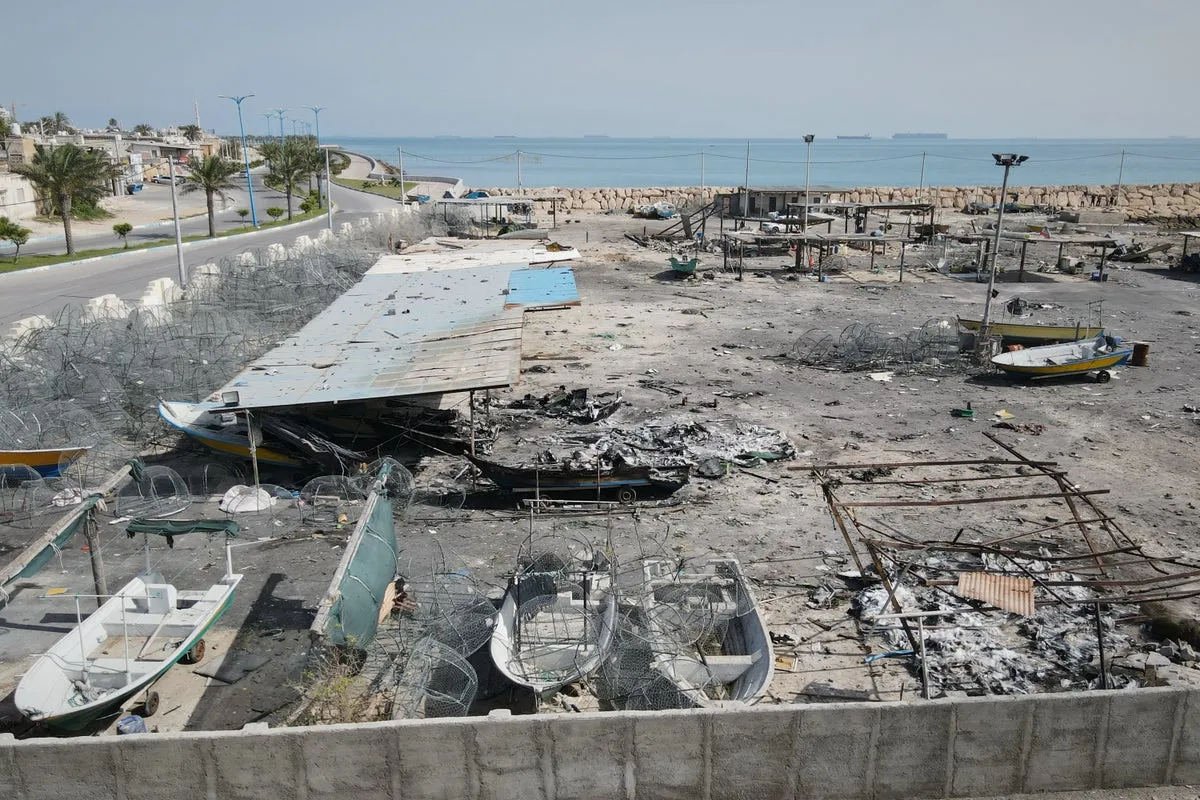
In a rare moment of geopolitical agreement that nobody had marked in their calendars, U.S. President Donald Trump and Iran's foreign minister both confirmed this week that the Strait of Hormuz - the nautical chokepoint responsible for roughly 20% of the world's oil supply - is fully open for business. Markets promptly did what markets do: they celebrated like it was 1999.
Oil prices dropped and stocks rallied on the news, according to reporting by The Independent. On paper, that should mean cheaper gasoline is headed your way faster than a pizza delivery guy who just got a bad Yelp review. In practice? Not so fast, friend.
Why your wallet isn't popping champagne just yet
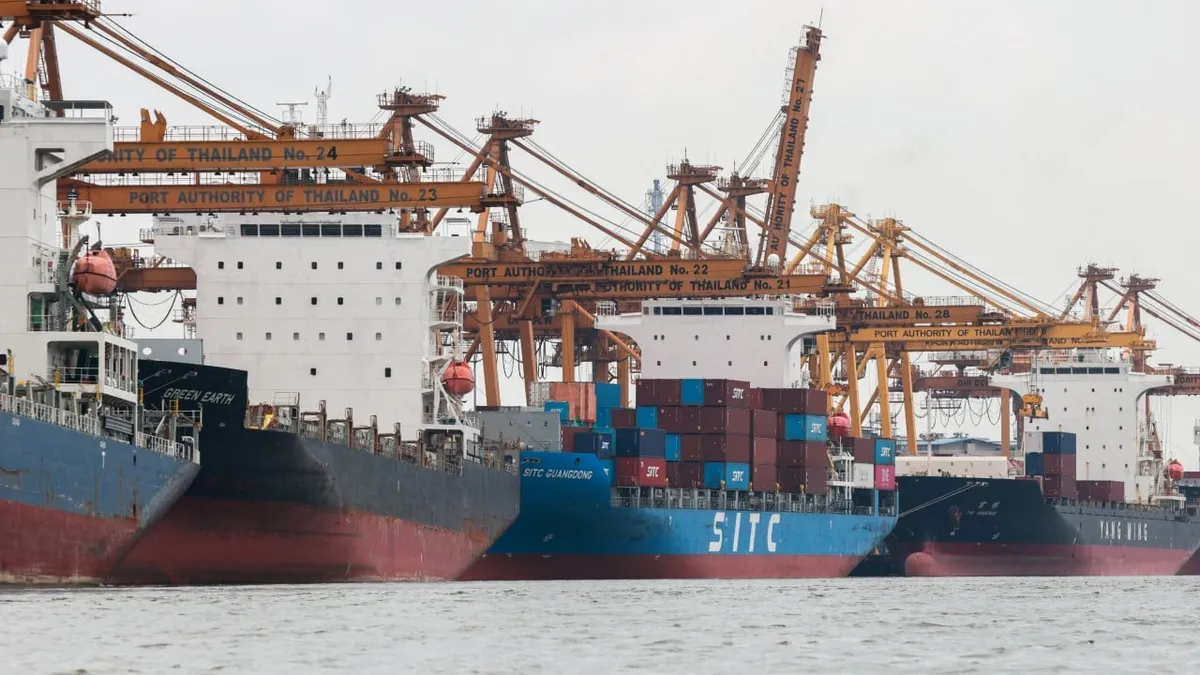
The Persian Gulf remains a deeply anxious neighborhood. Even with the Strait technically open, shipping traffic through the region carries what analysts might politely call "a vibe" - a persistent undercurrent of trepidation that keeps tanker operators, insurers, and energy traders from fully relaxing their collective grip on the panic button.
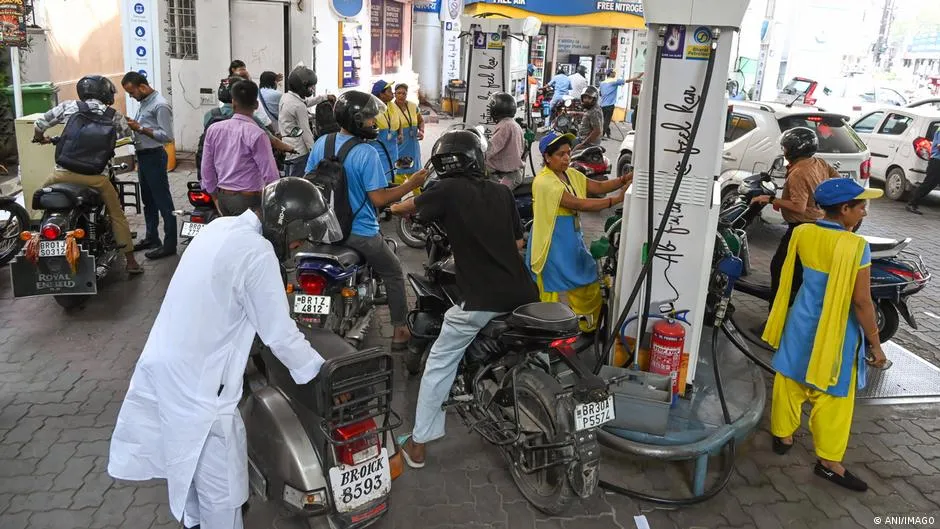
That nervousness has real-world consequences. When shipping companies face uncertainty, they charge more to move oil. When insurers see risk, premiums go up. Those costs trickle downstream through refineries, distributors, and eventually straight into the price per gallon you see at the pump. The Strait may be open, but the anxiety tax is still very much being collected.
The geopolitical drama behind the headline
The Strait of Hormuz sits between Iran and Oman, connecting the Persian Gulf to the Gulf of Oman and onward to global markets. It is, without exaggeration, one of the most strategically important waterways on the planet. Any hint of closure - whether through military action, political escalation, or a particularly strongly worded press release - is enough to send energy markets into fits.
The fact that both Washington and Tehran are publicly saying it's open is genuinely significant. These two governments agreeing on anything is roughly as common as a solar eclipse, and arguably more surprising. Still, the underlying tensions that made the Strait a talking point in the first place have not vanished overnight.
Bottom line
If you were hoping that this diplomatic moment would immediately translate into dramatically cheaper road trips, the experts suggest you temper your enthusiasm. Oil prices moving down is a good start, but the full journey from a calmer Persian Gulf to a lower number at your local pump involves a lot of anxious middlemen who are not quite ready to stop worrying yet.
Watch this space - and maybe carpool in the meantime.