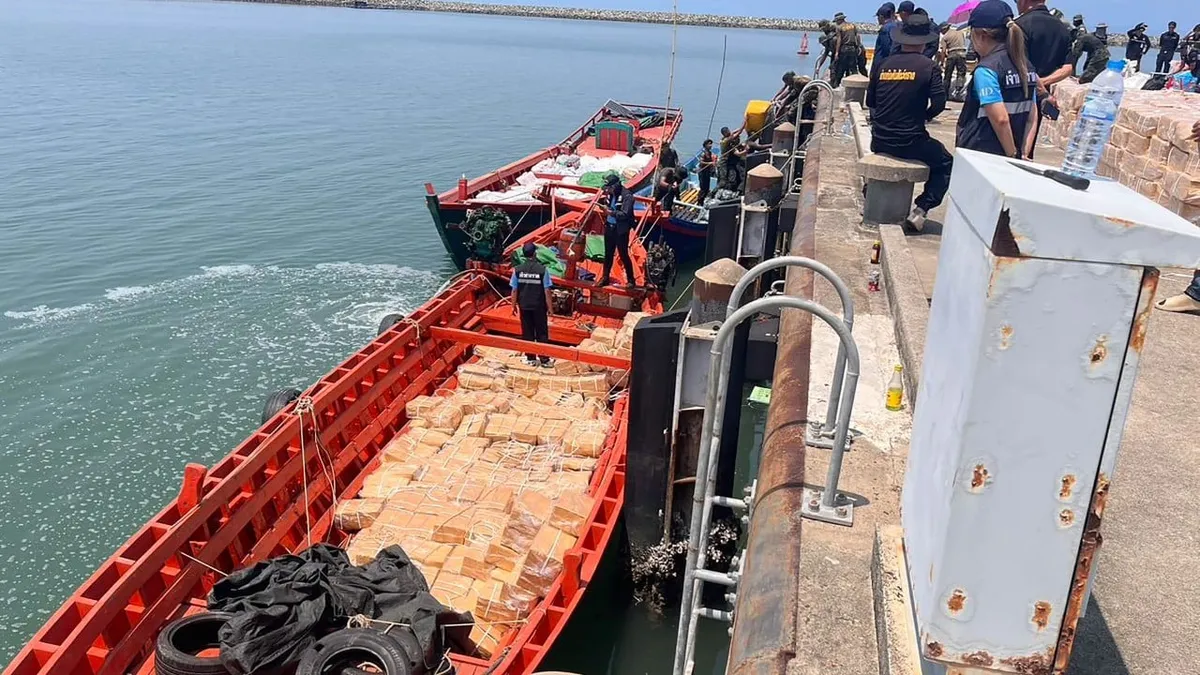
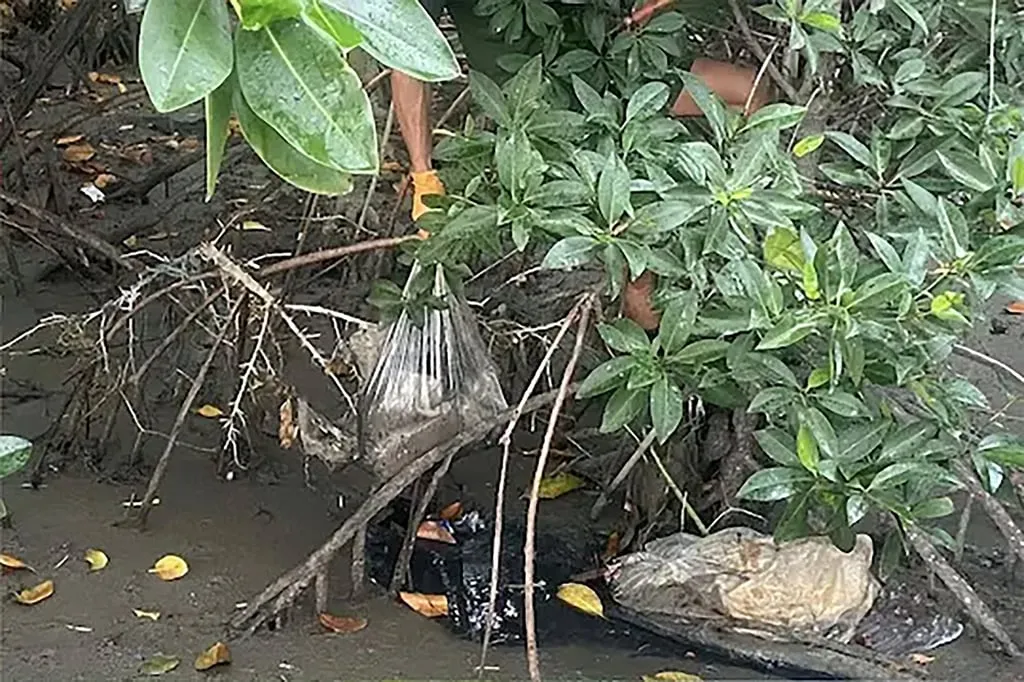
Nothing says "diplomatic crisis" quite like a beach covered in decomposing poultry. Plastic bags stuffed with rotting smuggled chicken have washed ashore in Thailand after a smugglers' boat apparently had a very bad day at sea - and in doing so, accidentally handed the world a window into just how badly Cambodia is hurting since formal trade between the two neighbours collapsed.
So what's actually going on here?
According to reporting by the South China Morning Post, the Thai-Cambodian border conflict has effectively nuked legal trade between the two countries. Nature, as it tends to do, abhors a vacuum - and smugglers have been more than happy to fill it. Illicit cargo flowing across the border reportedly includes Thai cooking oil, fruit, meat, and everyday consumer goods like soap. You know things have gotten dire when soap becomes contraband.
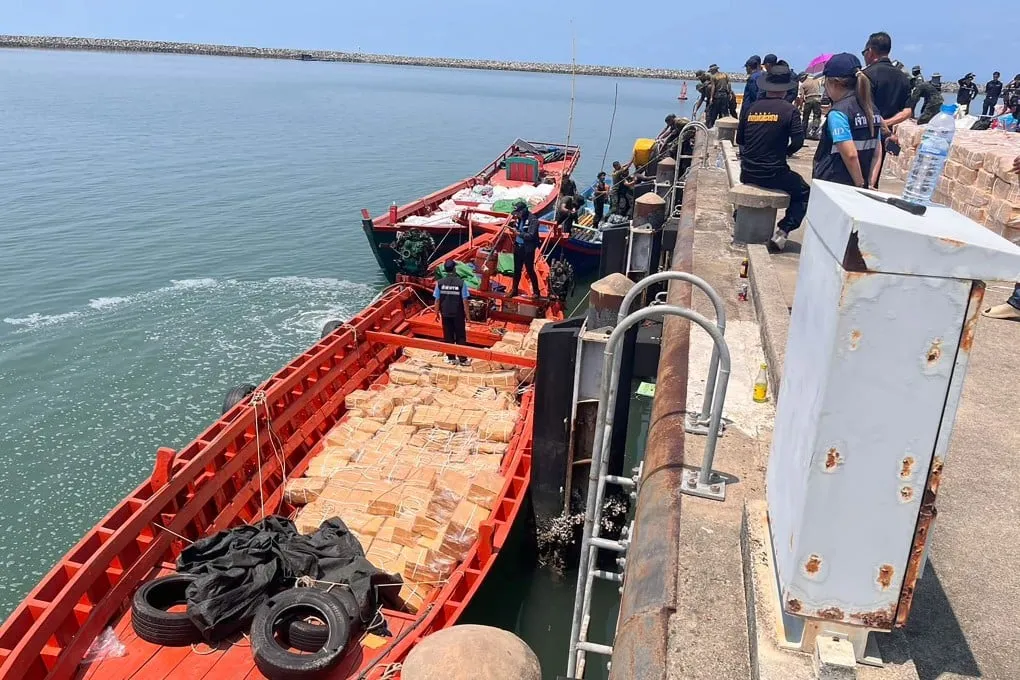
The soggy, stinking chicken haul is being read by analysts as a tell-tale sign that Cambodia is experiencing genuine shortages of basic goods - the kind of shortages that make people desperate enough to pay black-market prices for chicken that may or may not have survived the boat ride.
The plot twist: Cambodians are also boycotting Thailand on purpose
Here is where it gets deliciously complicated. While Cambodian consumers are apparently hungry enough to source smuggled Thai goods through informal channels, there is simultaneously a very public, very nationalist boycott of Thai businesses underway inside Cambodia. Citizens are proudly refusing to spend money at Thai establishments as a show of solidarity and patriotic resentment.
So to recap: Cambodia is boycotting Thailand loudly and publicly, while also quietly buying Thailand's chicken off the back of a boat. The cognitive dissonance is, frankly, staggering - and it speaks volumes about the depth of the economic pain ordinary Cambodians are feeling as relations between the two countries deteriorate.
What this means beyond the chicken
The SCMP report frames the rotting-poultry incident as more than just a gross beach discovery. It is a symptom of a broader economic unraveling. When formal trade dies, informal trade - with all its risks, markups, and occasional beachside disasters - takes over. Ordinary people end up paying more for worse goods, and the only winners are the smugglers (when their boats don't capsize).
The nationalist boycott, meanwhile, reveals just how poisoned the relationship between Bangkok and Phnom Penh has become. Trade disputes have a way of becoming identity disputes, and once that happens, the economics get very hard to untangle from the emotions.
The rotting chicken, unfortunately, had no comment.