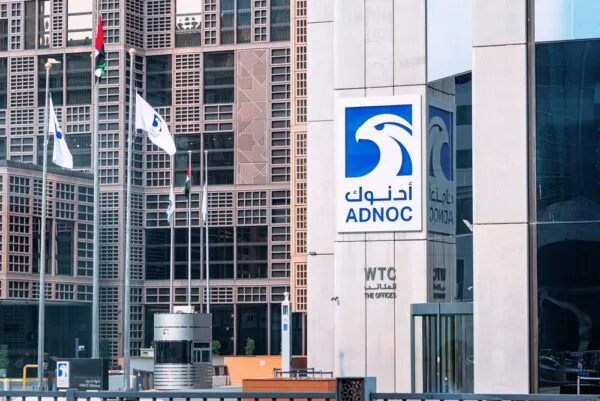
In what may be the most consequential energy breakup since your ex cancelled the shared Netflix account, the United Arab Emirates has walked out on OPEC - and the ripple effects are headed straight for Asia.
According to an analysis published by The Diplomat, the UAE has been quietly charting its own course on oil production for some time, and its formal departure from the cartel marks a significant turning point in global energy geopolitics. Spoiler alert: it is a very big deal, especially if you live anywhere east of the Suez Canal.
So why did the UAE actually leave?
The short version is that Abu Dhabi has been sitting on enormous production capacity and growing increasingly frustrated with OPEC+ output restrictions that were essentially forcing it to leave billions of dollars in the ground. The UAE has invested heavily in expanding its production infrastructure in recent years, and being told to pump less oil while that shiny new capacity sat idle was, diplomatically speaking, not a great vibe.
The tension between the UAE's national interests and the cartel's collective discipline had been building for years. Walking away was not a sudden decision - it was the logical conclusion of a country that had outgrown the arrangement.
Why Asia specifically should care
Here is where it gets spicy for the region. Asia is by far the world's largest consuming market for Gulf crude. Countries like China, India, Japan, and South Korea collectively import staggering volumes of oil from the Gulf every single year. When a major producer like the UAE starts operating outside the OPEC framework, it introduces a wildcard into pricing dynamics that Asian buyers have grown accustomed to navigating through the cartel's relatively predictable quota system.
On one hand, a UAE free to pump at will could mean more supply hitting the market - potentially lower prices for Asian importers, which would be a welcome development for inflation-weary economies. On the other hand, it could accelerate fragmentation within OPEC+, leading to price wars or, conversely, instability that nobody really wants.
The bigger picture
The UAE's move signals something broader: Gulf states are increasingly prioritizing their own long-term economic strategies over cartel solidarity. As The Diplomat notes, the UAE is charting its own path - and for a region as energy-dependent as Asia, that matters enormously.
Whether this plays out as a gift (cheaper oil) or a headache (market chaos) for Asian economies likely depends on how the rest of OPEC+ responds in the coming months. Either way, the era of treating OPEC as a monolithic bloc just got a little harder to sustain.