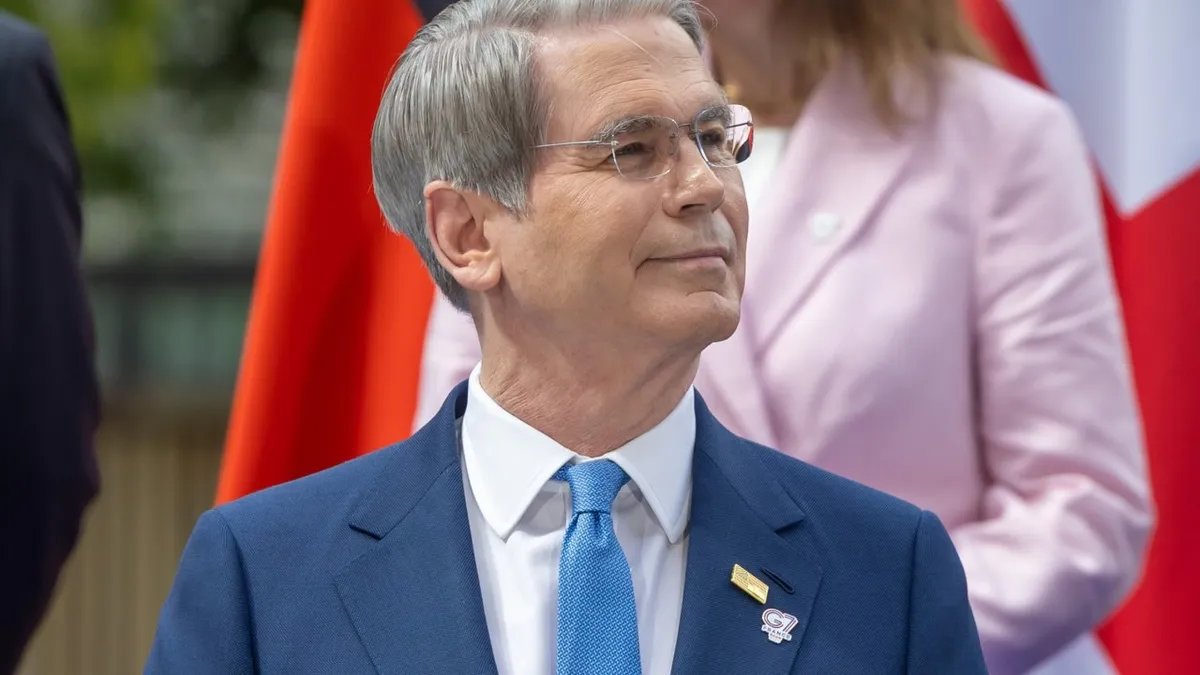
US Treasury Secretary Scott Bessent announced Monday that the United States will grant a 30-day extension allowing countries to continue importing Russian oil already loaded onto tankers at sea, according to the South China Morning Post. The reason? The ongoing war with Iran is squeezing global oil supply hard enough that Washington apparently needs Moscow's barrels to keep things from getting ugly at the pump.
Let that sink in for a second. The US - which had loudly promised to reimpose sanctions on Russian oil - is now, for the second time, quietly waving them through because geopolitics broke the global energy market in a different direction than expected.
How we got here
The original sanctions waiver was first announced in early March, framed as a short-term, practical measure. Then, in April - just two days after the waiver was set to lapse - it got its first renewal. Now it's happening again, with Bessent citing supply disruptions linked to the Iran conflict as justification for keeping Russian crude flowing into global markets.
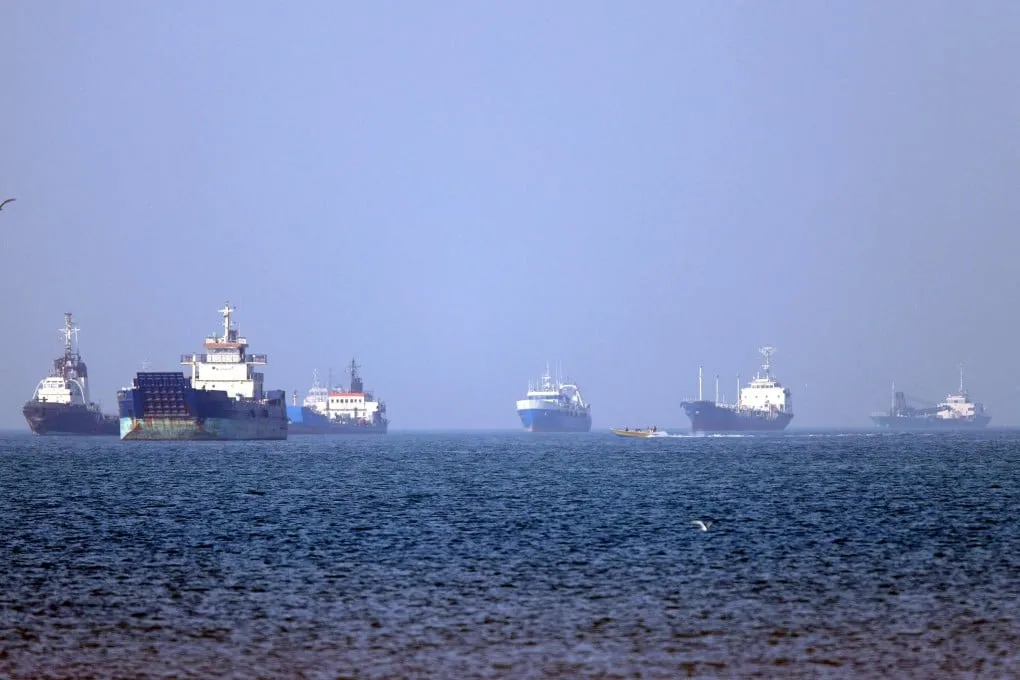
This marks what the Post describes as a "continued policy reversal" from an administration that had previously signaled the sanctions window would close. It's the geopolitical equivalent of telling your roommate they have to move out, then extending their lease twice because your furnace broke.
Why tankers specifically?
The extension applies specifically to Russian oil that is already physically loaded onto ships at sea - a logistical carve-out designed to avoid stranding cargo mid-voyage and causing immediate supply shocks. In practice, it keeps a meaningful volume of Russian crude heading toward its destinations without triggering a full-scale sanctions enforcement moment.
The bigger picture
The move highlights just how tangled global energy policy has become as the Iran conflict reshapes supply routes and market expectations. Sanctioning Russia while simultaneously depending on Russian oil exports to cushion a war-driven supply crunch is, to put it diplomatically, a bit of a contradiction.
Whether this 30-day extension becomes a third extension - or quietly morphs into something more permanent - remains the question nobody in Washington seems eager to answer out loud. For now, the tankers sail on.