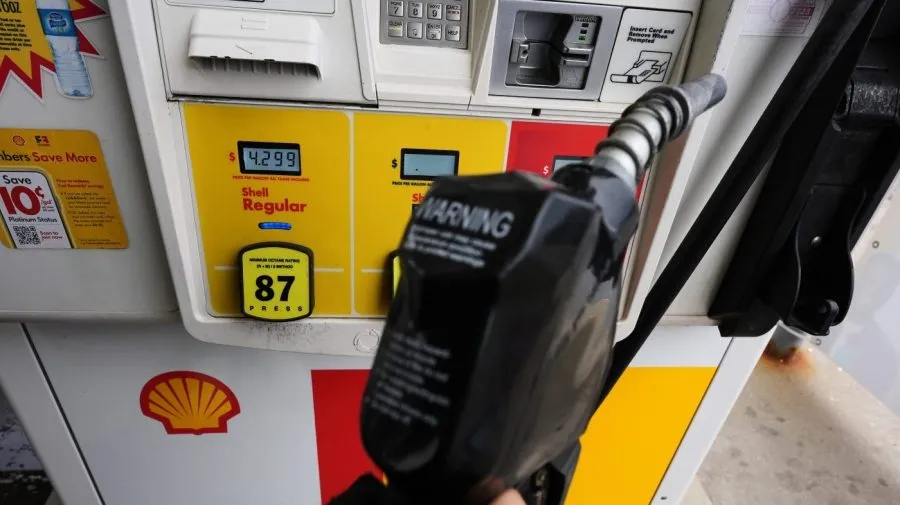
If you recently filled up your tank and felt a disturbance in the Force, congratulations - your instincts are correct. Gas prices have jumped over 30 cents in a single week, pushing the national average price of a gallon of regular gasoline past $4.45 as of Monday, according to AAA data cited by The Hill.
What is actually happening here?
The culprit - at least the geopolitical one - is the Strait of Hormuz, that narrow but critically important waterway in the Persian Gulf through which a significant chunk of the world's oil supply travels. The U.S. military began efforts Monday to escort commercial vessels through the strait, signaling that tensions in the region have escalated to the point where oil tankers need a babysitter with a battleship.
When the world's oil highways start requiring military convoys, markets tend to get nervous. Nervous markets do what nervous markets do - they send prices up, and fast.
How bad is this, really?
A 34-cent-plus jump in one week is not small potatoes. For context, the kind of week-over-week price swings that get energy analysts sweating in their spreadsheets typically hover in the single digits. A 30-cent spike is the kind of number that makes financial reporters spill their coffee and start typing very quickly.
For the average American driver filling up a standard 15-gallon tank, that translates to roughly $5 more per fill-up compared to just last week. Do that twice a week and suddenly you have vaporized a modest lunch budget by Friday.
The Strait of Hormuz: the world's most stressful bottleneck
The Strait of Hormuz is one of those geographic chokepoints that geopolitical analysts and oil traders have nightmares about. A meaningful percentage of global oil exports pass through it, which means any instability in the region - military, political, or otherwise - gets priced almost immediately into what you pay at the pump. It is basically the world economy's most expensive pressure point, and right now someone is pressing it.
What comes next?
If the U.S. military escort operations stabilize commercial shipping through the strait, prices could ease. If tensions escalate further, buckle up - both figuratively and literally, because driving anywhere is about to feel like a luxury experience you did not sign up for.
For now, AAA recommends checking local gas prices before filling up, and the rest of us recommend checking our life choices.