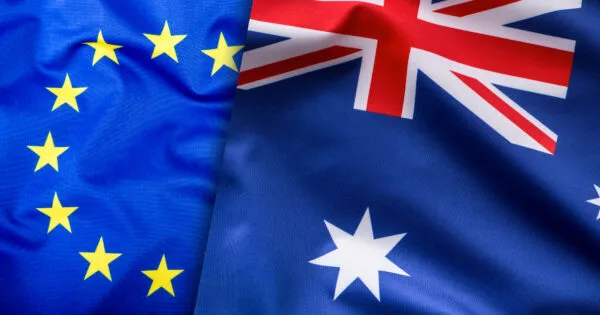
Australia's recently announced critical minerals agreement with the European Union has been welcomed as a strategic milestone, but analysts caution that it falls well short of offering a genuine alternative to the country's deep economic ties with China.
According to a report published by The Diplomat, the deal gives Australia access to European capital, technology and new market channels. However, these benefits do not address the fundamental challenge: China remains an unrivalled buyer of raw materials, a dominant processor of minerals, and the hub of an integrated industrial ecosystem that Europe cannot quickly replicate.
The limits of the EU partnership
Critical minerals such as lithium, cobalt and rare earth elements are essential inputs for electric vehicles, batteries and defense technologies. Australia is one of the world's leading producers of several of these materials, making it a prime target for partnerships aimed at diversifying supply chains away from China.
The EU-Australia agreement is part of a broader Western effort to reduce strategic dependence on Beijing. But analysts note that diversification at the extraction level does not resolve the processing bottleneck. China controls the majority of the world's refining capacity for many critical minerals, meaning that even materials mined in Australia often pass through Chinese facilities before reaching end manufacturers.
Without comparable processing infrastructure in Europe or Australia itself, the new partnership risks shifting only the first stage of the supply chain while leaving deeper dependencies intact.
China's role remains central
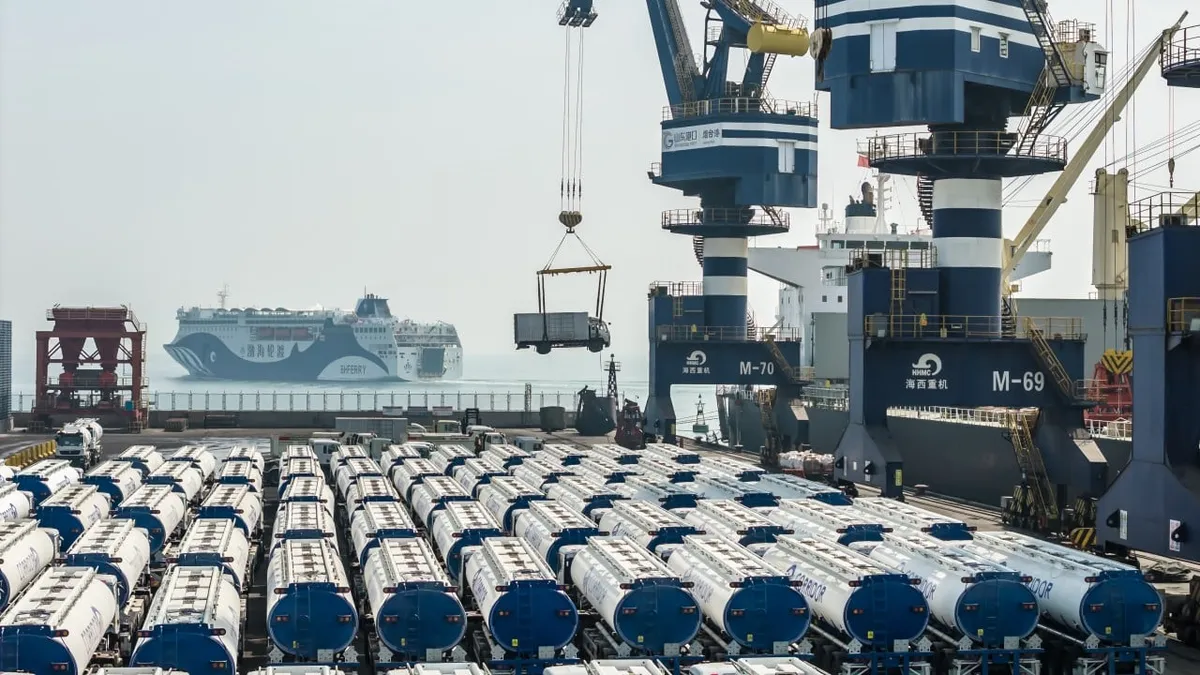
China is not only Australia's largest trading partner but also the destination for a significant share of its mineral exports. European demand, while growing, is not currently positioned to absorb equivalent volumes, nor does Europe possess the downstream industrial capacity to make use of raw or semi-processed materials at the same scale.
The Diplomat's analysis suggests that Australia faces a structural dilemma: aligning politically with Western partners while remaining economically tied to a market that those same partners regard as a strategic competitor.
A long-term project
Experts cited in the report acknowledge that the EU deal represents a meaningful step toward supply chain resilience, but stress that the timeline for any real shift in dependency is measured in decades, not years. Building processing capacity, establishing reliable offtake agreements and developing new industrial ecosystems requires sustained investment and political commitment on both sides.
For now, Australia's critical minerals sector continues to operate within a global system where China sets the terms. The EU partnership may eventually help change that balance, but analysts say the country should not expect a quick fix.