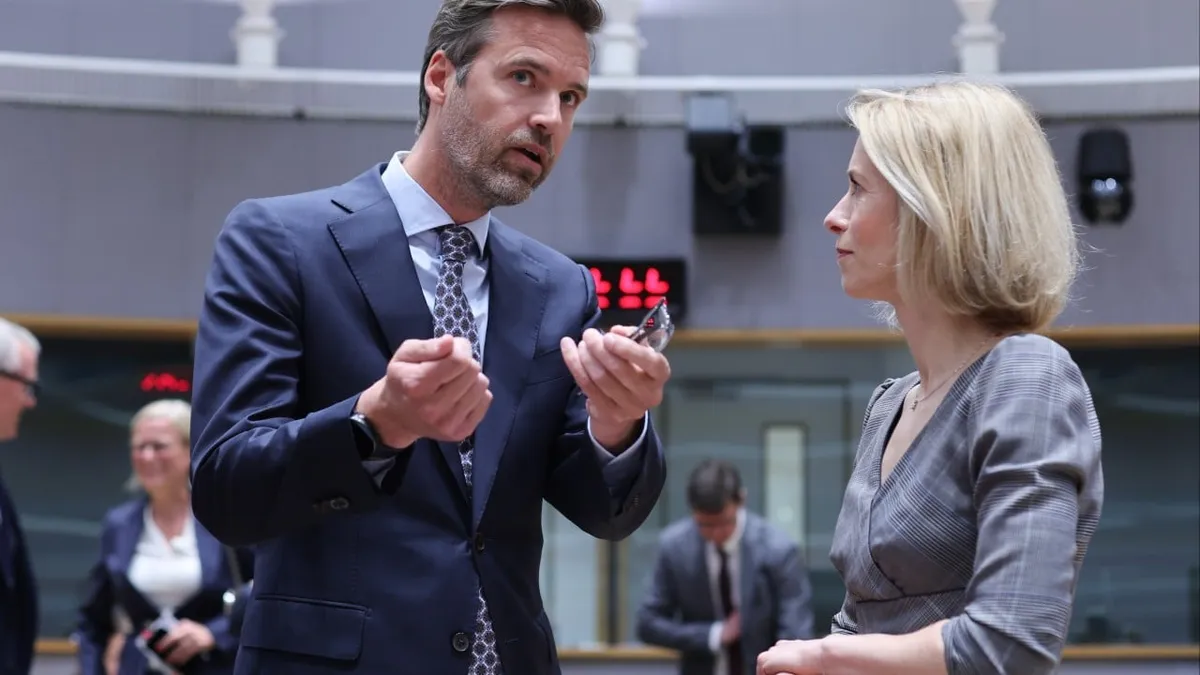
In what may be the most diplomatically awkward reunion since your ex texted you 'hey stranger,' a Dutch trade minister who was previously sanctioned by China is set to lead a business delegation to Beijing in early July, according to a source familiar with the planning, as reported by the South China Morning Post.
Sjoerd Sjoerdsma - yes, that's his real name, pronounced however you like - was recently removed from Beijing's sanction list, clearing the way for a four-day visit starting July 6, with stops in both Beijing and Shanghai. Nothing says 'water under the bridge' quite like an official state visit to the capital of the country that used to ban you from entering it.
Why does this actually matter?
This isn't just a quirky diplomatic comeback story. The visit comes at a genuinely critical moment in Netherlands-China relations, with two major pressure points looming large over the agenda.
First, there's ASML - the Dutch semiconductor giant whose extreme ultraviolet lithography machines are basically the Ferrari of chip manufacturing, and which the United States has been aggressively pushing to restrict from Chinese buyers. Newly proposed US export curbs on ASML's tools are a direct headache for Dutch trade policy, forcing the Netherlands to perform a delicate balancing act between its American ally and its Chinese trading partner.
Second, there's the ongoing Nexperia ownership saga. The Chinese-owned semiconductor company controls a Dutch chip facility, and the Dutch government has been wrestling with whether and how to unwind that arrangement amid broader concerns about strategic industries falling under foreign - read: Chinese - control.
The bigger picture
The Netherlands sits in an unenviable position at the intersection of US-China tech rivalry. As host to ASML, arguably the most strategically important company in global chip supply chains, Dutch trade policy decisions carry outsized global weight. Washington wants tighter controls. Beijing wants access. Brussels wants cohesion. And the Dutch want to sell semiconductors and tulips in peace.
Sjoerdsma's sanctions were originally imposed by Beijing in 2021 in retaliation for EU sanctions over human rights concerns in Xinjiang - part of a tit-for-tat diplomatic spat that froze EU-China relations for years. His removal from the list signals Beijing is keen to thaw things out, at least commercially.
Whether this July visit produces any breakthroughs on ASML or Nexperia remains to be seen. But one thing is certain: Sjoerdsma will have one of the more unusual icebreaker stories at any Beijing dinner table this summer.