When the global energy market gets squeaky, someone always shows up with a very large wrench - and this time it is China, arriving in southwestern Cambodia with a billion-dollar hydropower project and excellent timing.
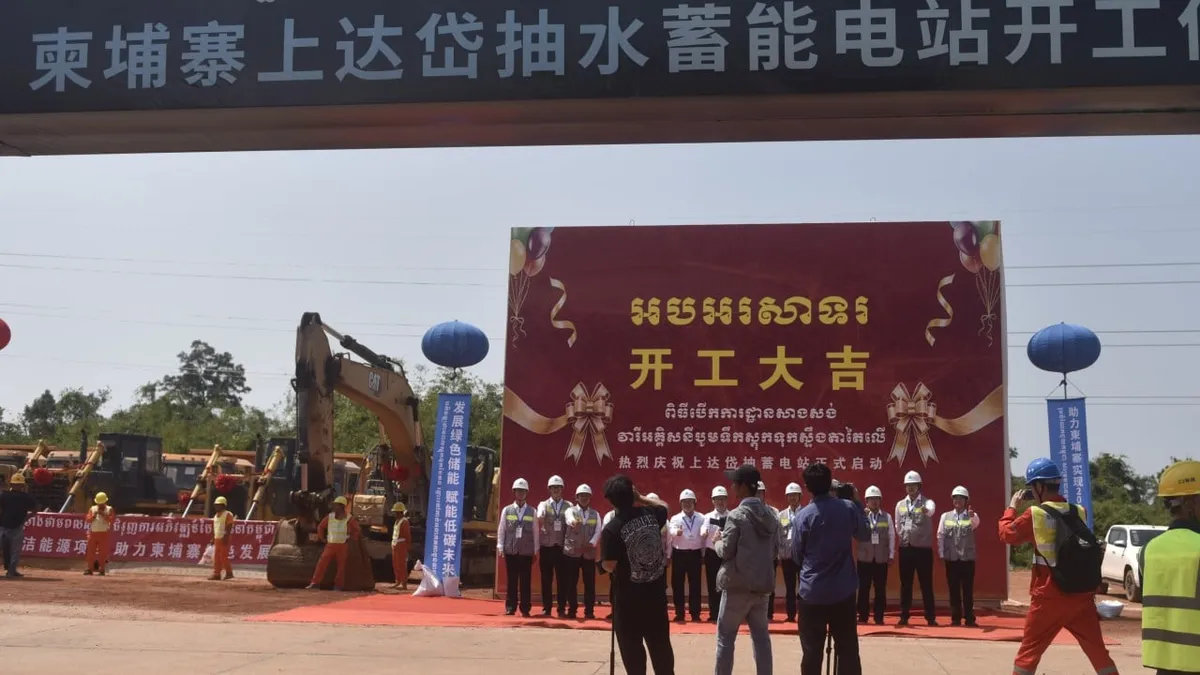
According to a report by state news agency Xinhua cited by the South China Morning Post, construction officially broke ground on April 10 on the Upper Tatay pumped-storage hydropower station in Koh Kong province, a hilly coastal region that apparently now moonlights as the future backbone of Cambodia's electricity supply.
So what exactly is a 'pumped-storage' plant?
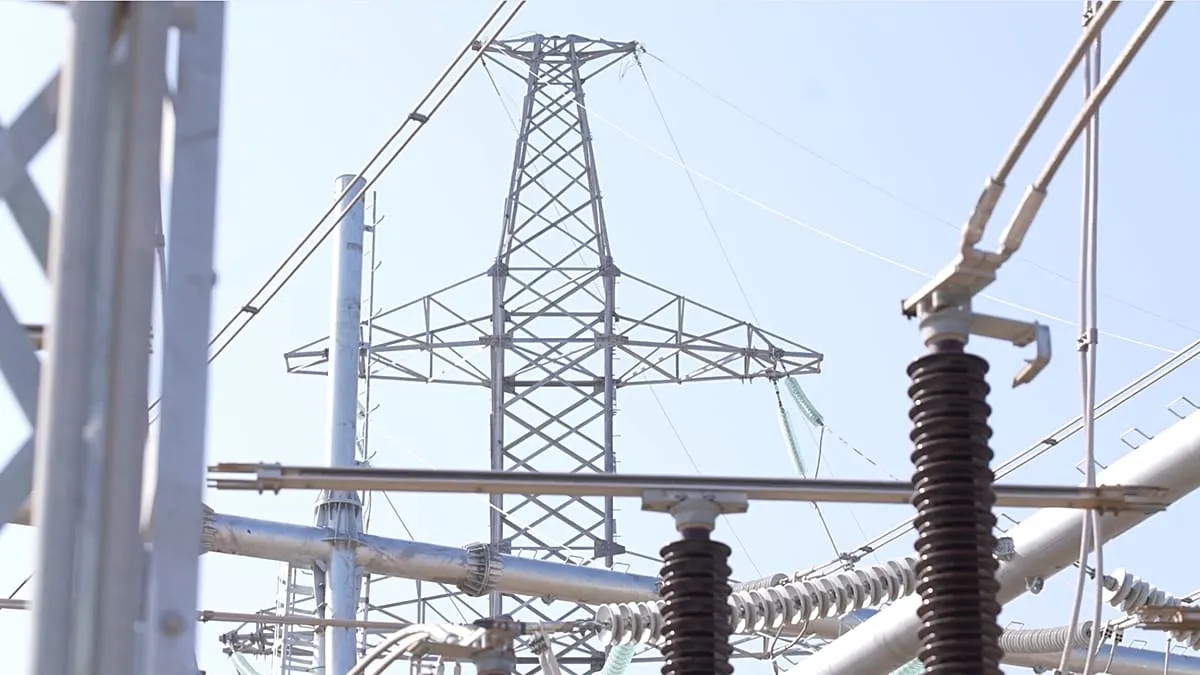
Glad you asked, because this is where it gets genuinely nerdy. A pumped-storage hydropower facility works a bit like a giant rechargeable battery - it pumps water uphill when energy is cheap and plentiful, then releases it back downhill through turbines when demand spikes. Xinhua reportedly described the finished project as a future 'green power bank' for Cambodia's national grid, which is either a very savvy piece of infrastructure branding or the best metaphor the energy sector has produced in years.
Why now?
The backdrop here is not subtle. The ongoing conflict involving Iran has sent shockwaves through global fuel supply chains, and developing nations - sitting at the back of the queue when it comes to securing affordable fossil fuels - are feeling the pinch harder than most. Cambodia, like many of its Southeast Asian neighbors, is particularly exposed to disruptions in traditional energy imports.
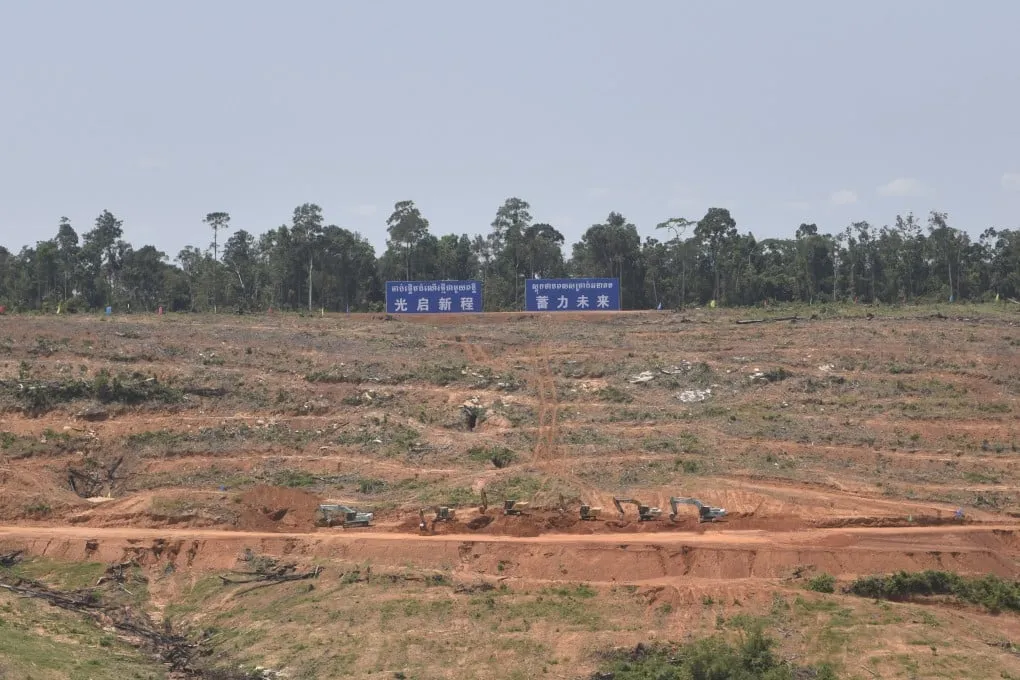
Enter China's infrastructure investment machine. The $1 billion project represents a significant Chinese financial commitment to Cambodia's renewable energy transition, arriving at a moment when Phnom Penh has good reason to accelerate its pivot away from fuel-dependent power generation.
The bigger picture
This is not China's first hydropower rodeo in the Mekong region - Beijing has been a major player in financing and building large-scale water infrastructure across Southeast Asia for years, to varying degrees of local enthusiasm. Cambodia has historically been one of the more receptive hosts for Chinese-backed energy projects.
Critics of large dam projects in the region have long pointed to ecological concerns, particularly around river ecosystems and downstream communities. A pumped-storage facility, which recirculates water between two reservoirs rather than diverting a major river, is generally considered less disruptive than conventional dam construction - though the specific environmental assessments for Upper Tatay have not been detailed in available reports.
What is confirmed, per the South China Morning Post's coverage of the Xinhua report, is that shovels are in the ground, the investment figure sits at $1 billion, and Cambodia is hoping to add a significant chunk of clean generating capacity to a grid that desperately needs it.
Whether it becomes the 'green power bank' of the marketing pitch remains to be seen. But in an era where developing countries are scrambling for energy alternatives, Cambodia just made a very large deposit.