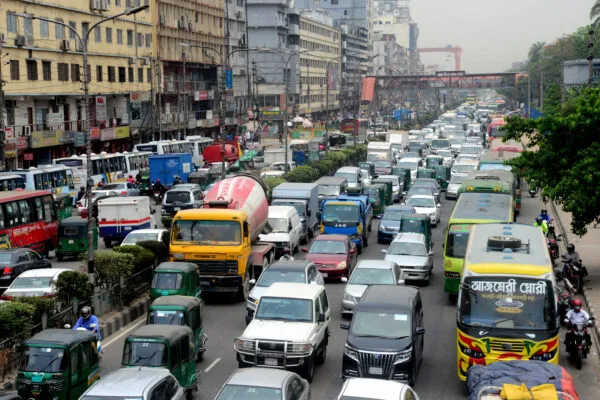
Bangladesh is confronting a significant energy crisis that is straining the daily lives of its 177 million residents, with experts and analysts increasingly urging the government to reduce its reliance on imported coal and natural gas in favor of renewable energy, according to a report by The Diplomat.
The country has long depended on fuel imports to meet its growing energy demands, a strategy that has left it vulnerable to volatile global commodity markets and supply chain disruptions. Those vulnerabilities have become more acute in recent years, contributing to power shortages and economic strain for households and businesses alike.
The case for renewables
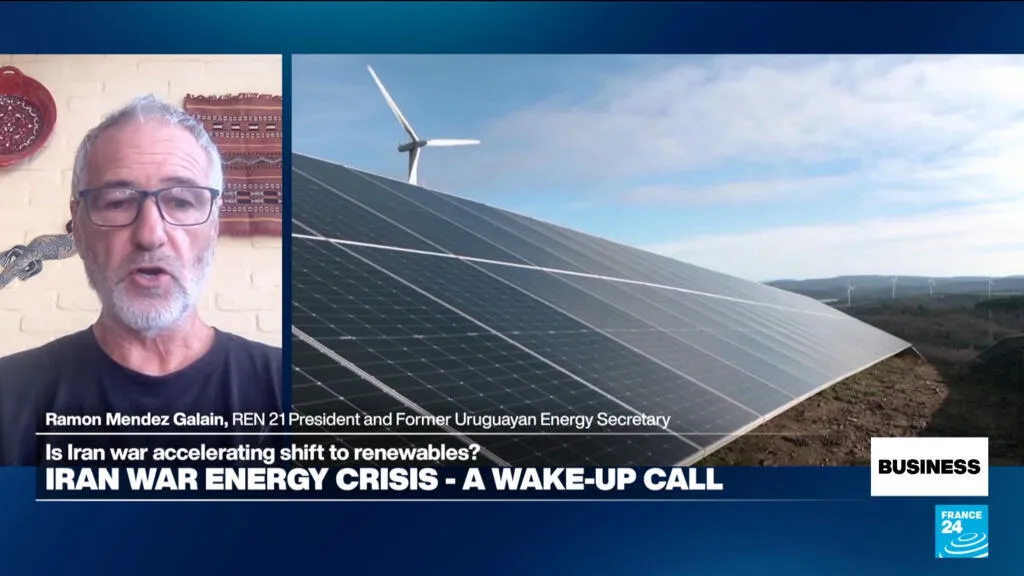
Energy specialists cited in the report argue that Bangladesh possesses considerable potential for domestic renewable energy development, including solar power, which could reduce the country's exposure to fluctuating international fuel prices. Proponents say a transition would not only stabilize energy supplies but also offer a long-term path toward energy independence.
Critics of the current model point to the structural risks of building an energy system around imported commodities. When global prices spike or supply chains are disrupted, as has occurred repeatedly in recent years, countries like Bangladesh bear a disproportionate burden due to their limited foreign exchange reserves and high import costs.
Obstacles to transition
Despite the arguments in favor of renewables, Bangladesh faces significant hurdles in making a rapid shift. Infrastructure investment requirements are substantial, and the country's financial capacity to fund large-scale renewable projects without international support remains constrained.
The government has previously outlined ambitions for expanding renewable capacity, but progress has been described as slow relative to the scale of the challenge. Existing commitments to fossil fuel infrastructure, including power plants built around imported gas and coal, also complicate any near-term pivot in energy policy.
Regional and global context
Bangladesh's predicament reflects a broader challenge facing developing economies across South and Southeast Asia. Many nations in the region are caught between the immediate demands of energy security and the longer-term imperatives of reducing carbon emissions and insulating their economies from imported fuel volatility.
International climate frameworks and financing mechanisms, including funds administered through the United Nations, have sought to assist lower-income countries in accelerating renewable transitions. Whether Bangladesh can effectively access and deploy such resources remains an open question, according to analysts.
The Diplomat report suggests that the current crisis has sharpened the policy debate within Bangladesh, with the energy question increasingly viewed not merely as a technical matter but as a critical determinant of the country's economic stability and development trajectory.