The ongoing conflict involving Iran has renewed attention on the energy vulnerabilities of countries heavily dependent on Middle Eastern fossil fuels, with at least one prominent expert arguing the crisis could serve as a catalyst for an accelerated global shift toward renewable energy.
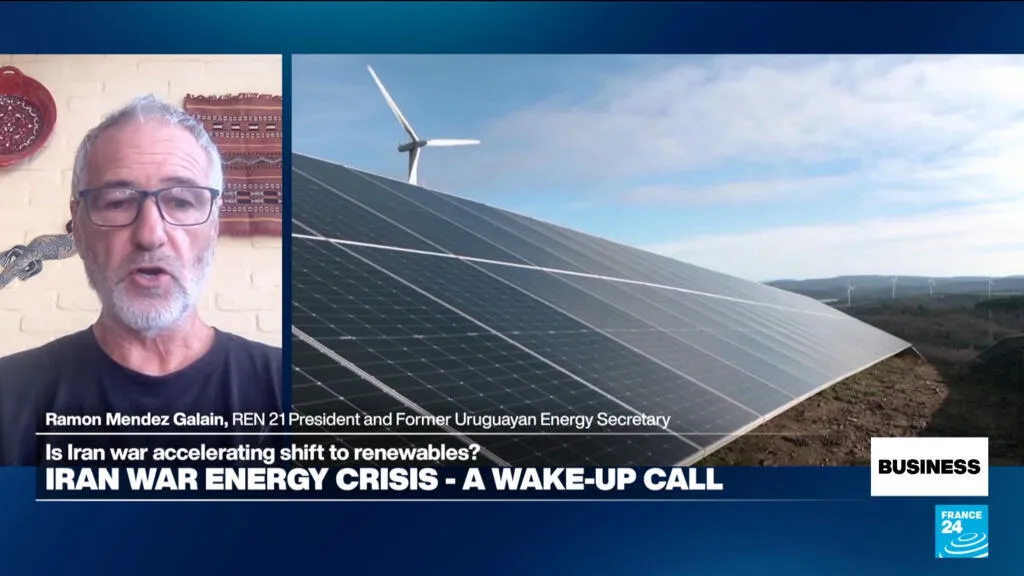
Ramon Mendez, former Energy Secretary of Uruguay and current President of the global renewable energy policy network REN21, told France 24 that the disruption caused by the conflict underscores long-standing risks tied to fossil fuel dependence and that a rapid transition to cleaner energy sources is achievable with the right policy frameworks in place.
Uruguay as a blueprint
Mendez pointed to Uruguay as evidence that dramatic energy transformation is possible in a relatively short timeframe. The South American country now derives approximately 98% of its electricity from low-carbon sources, a milestone achieved through sustained government policy, investment, and planning over recent decades.
According to Mendez, other nations facing energy insecurity could look to Uruguay's experience as a practical model, rather than treating clean energy transition as a distant or aspirational goal.
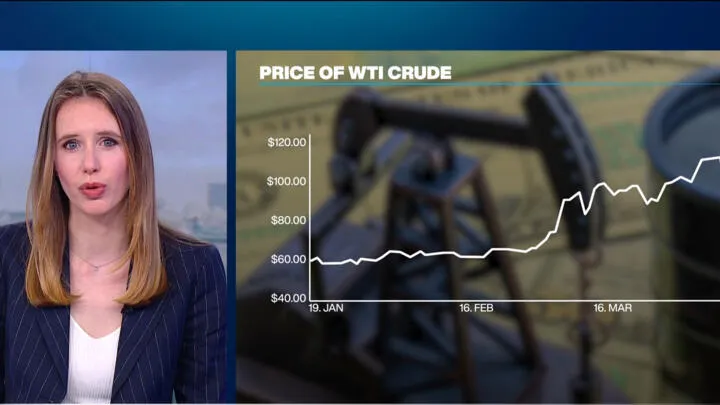
Geopolitical risk and energy dependency
Conflicts in the Middle East have historically sent shockwaves through global energy markets, given the region's outsized role in oil and gas supply chains. The current situation involving Iran has once again highlighted how geopolitical instability in key producing regions can expose importing nations to price volatility and supply uncertainty.
Mendez suggested to France 24 that this vulnerability, rather than being simply a short-term disruption to manage, could motivate policymakers to treat energy independence as a national security priority, and that renewables offer the most reliable long-term path toward that independence.

Challenges remain
While the case for accelerating the energy transition has gained fresh urgency, the pace and feasibility of such a shift varies significantly between nations. Factors including grid infrastructure, financing capacity, political will, and geographic conditions all influence how quickly any given country can reduce its reliance on imported fossil fuels.
Nevertheless, Mendez's comments reflect a broader argument gaining traction among energy analysts - that crises which expose the costs of fossil fuel dependency can, if met with decisive policy responses, hasten the adoption of renewable alternatives rather than simply reinforcing the status quo.
The interview was broadcast by France 24 as part of its ongoing coverage of the conflict's wider economic and geopolitical implications.