Energy analysts are warning of further price increases across Europe as the final tankers carrying oil and natural gas from the Strait of Hormuz prior to the outbreak of regional conflict have completed their journeys to European ports, according to reporting by Euronews.
The arrival of these vessels marks the end of the pre-conflict supply pipeline from the Gulf region, raising concerns that the buffer provided by those shipments is now exhausted. Analysts say prices, already elevated, could climb significantly in the coming weeks as the market absorbs the shift in supply dynamics.
Supply outlook
Despite the concerning signals, supply forecasts for both oil and natural gas remain cautiously optimistic. Analysts cited expected deliveries from the United States as a key factor that could help offset reduced flows from the Gulf region and prevent the most severe supply shortfalls.
US energy exports have been positioned as a potential stabilizing force for European markets, which have spent recent years diversifying away from traditional supply sources following earlier geopolitical disruptions. However, the scale and timing of American deliveries will be critical in determining how much upward pressure consumers and industries ultimately face.
Elevated baseline
The warnings come against a backdrop of energy prices that were already above typical historical averages. Any further increases would compound cost pressures for European households and businesses, particularly in countries that remain heavily dependent on imported fossil fuels for heating, electricity generation, and industrial processes.
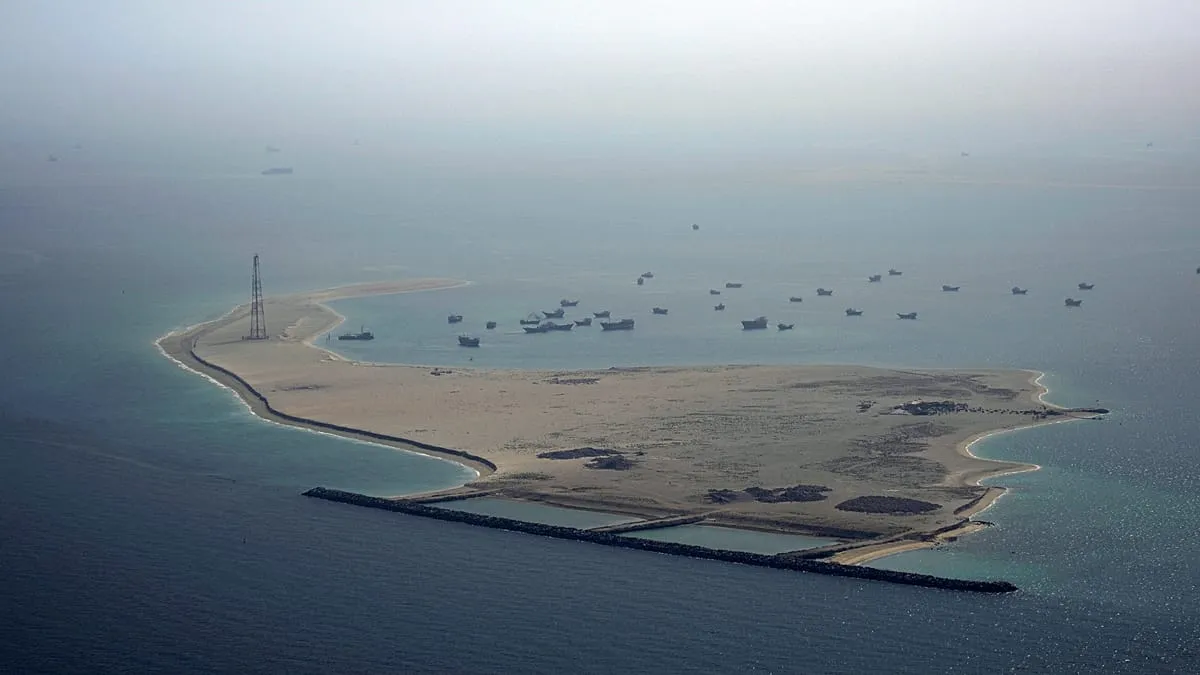
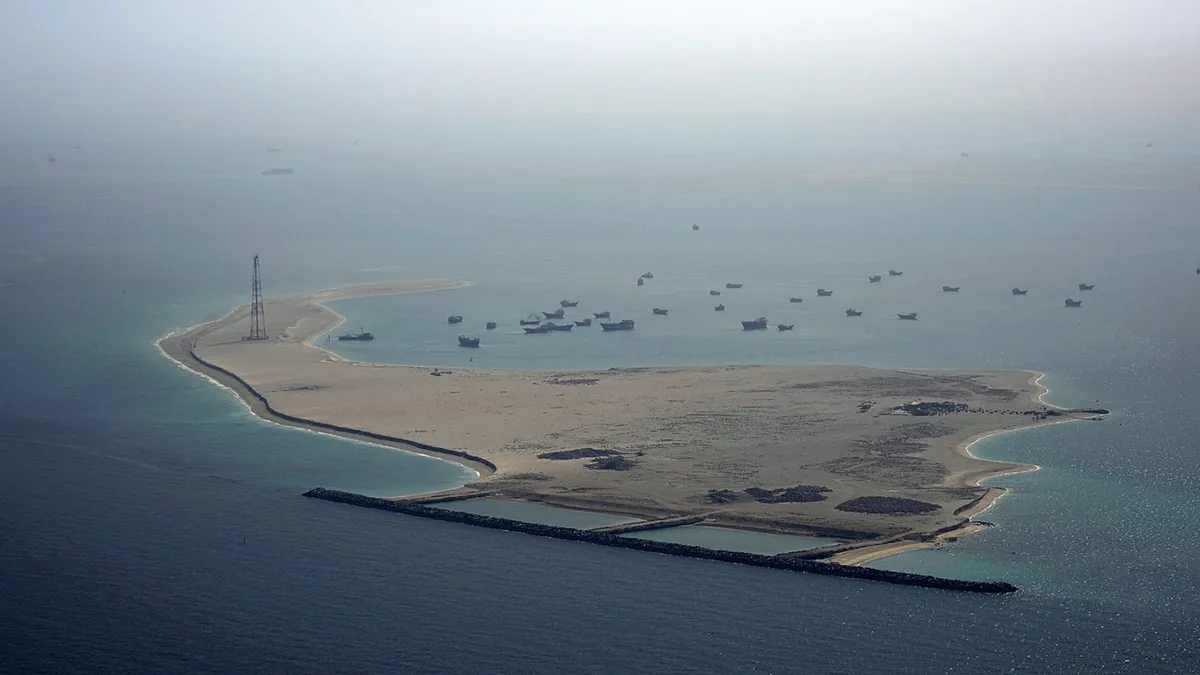
The Strait of Hormuz is one of the world's most strategically significant energy chokepoints, with a substantial share of global oil and liquefied natural gas shipments passing through the narrow waterway. Disruptions to traffic through the strait have historically triggered immediate reactions in global commodity markets.
Market response
Energy market participants are closely monitoring both the pace of US supply arrivals and any developments that could affect alternative supply routes or producer output levels. Analysts have not provided a specific price forecast, but the combination of depleted Gulf shipments and ongoing uncertainty is widely seen as a bearish signal for consumers.
European governments and energy agencies have not yet issued formal responses to the latest analyst assessments, according to the Euronews report.