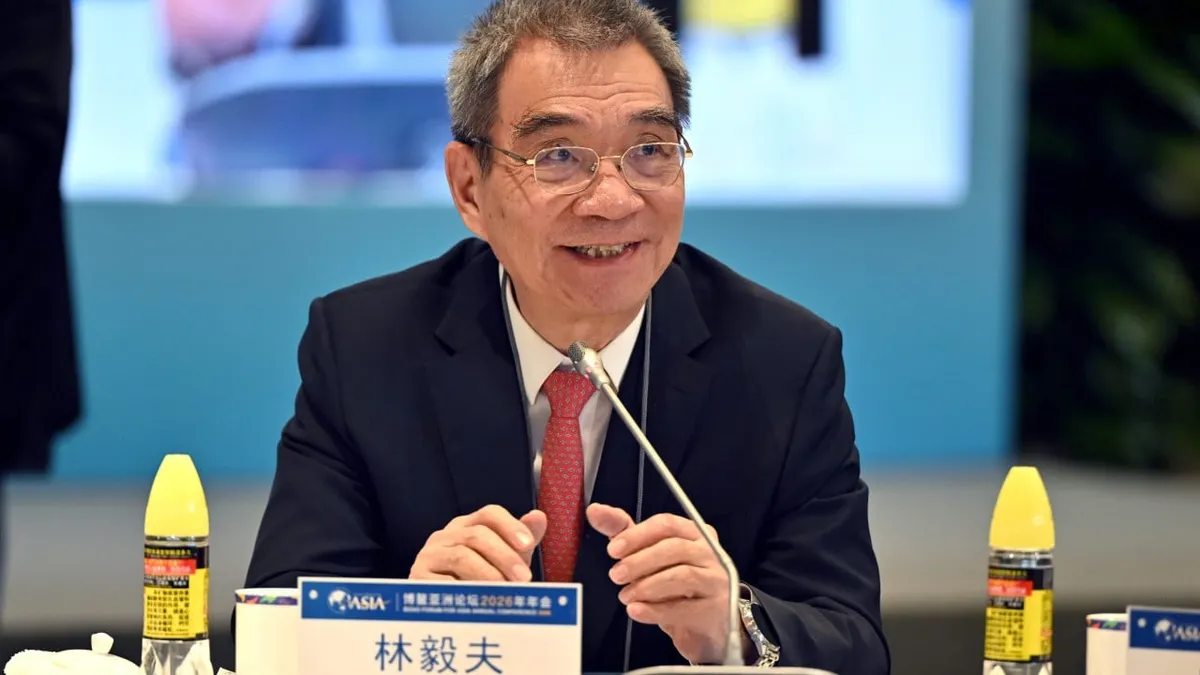
Justin Lin Yifu, a former chief economist of the World Bank and a prominent supporter of Beijing's industrial policy, has pushed back against Western characterizations of Chinese manufacturing as a threat driven by overcapacity, arguing that such claims reflect a fundamental inconsistency in how advanced economies assess their own industries versus China's.
Speaking at Hong Kong Chu Hai College, Lin argued that the surge in Chinese auto exports does not indicate industrial imbalance, according to the South China Morning Post. He drew a direct comparison with Germany, whose export-oriented automobile industry has long been considered a strength rather than a source of global distortion - a contrast he used to highlight what he described as a double standard in Western economic commentary.
Lin, who served as World Bank chief economist from 2008 to 2012, urged advanced economies to draw on what he called "Eastern wisdom" rather than resorting to protectionist measures. He framed this approach as a more constructive response to the growing competitiveness of Chinese high-technology industries.
China's industrial ascent
Lin's remarks come amid a broader international debate over China's expanding role in sectors including electric vehicles, solar panels, and semiconductors. The United States and the European Union have both imposed or considered tariffs on Chinese goods in these categories, citing concerns about state subsidies and unfair pricing practices that they argue distort global markets.
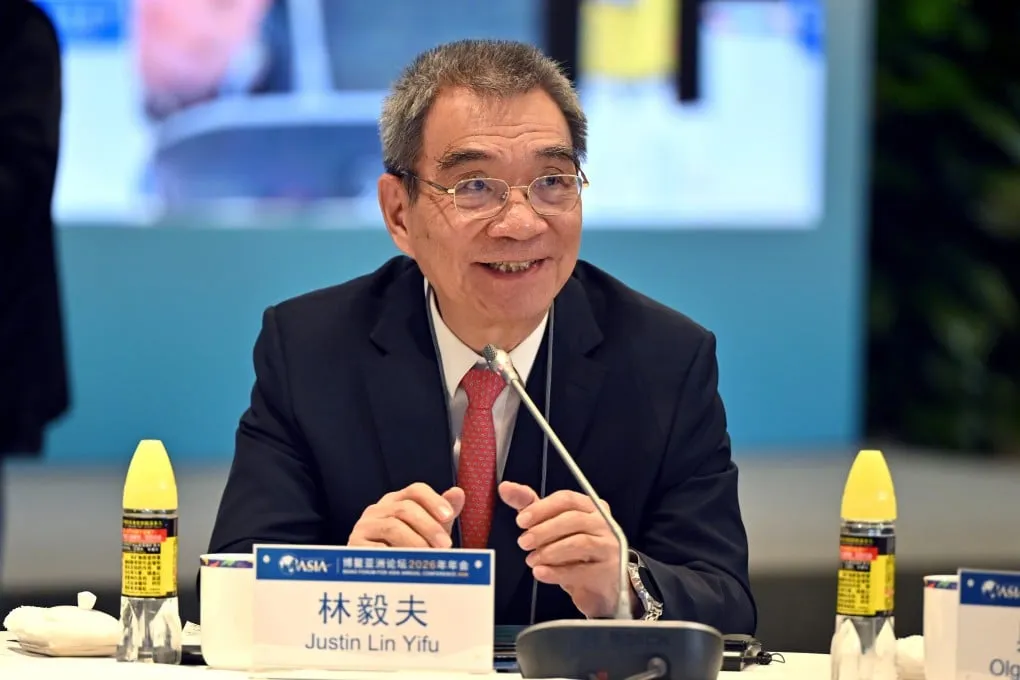
Chinese officials and economists aligned with Beijing have consistently rejected those characterizations, arguing instead that China's industrial gains reflect genuine productivity improvements and legitimate policy support comparable to measures used by Western governments.
Lin is among the most visible advocates for China's state-directed development model. His position is that industrial policy, far from being a market distortion, is a proven tool for economic catch-up - a view he has championed in academic and policy circles for decades.
Competing narratives
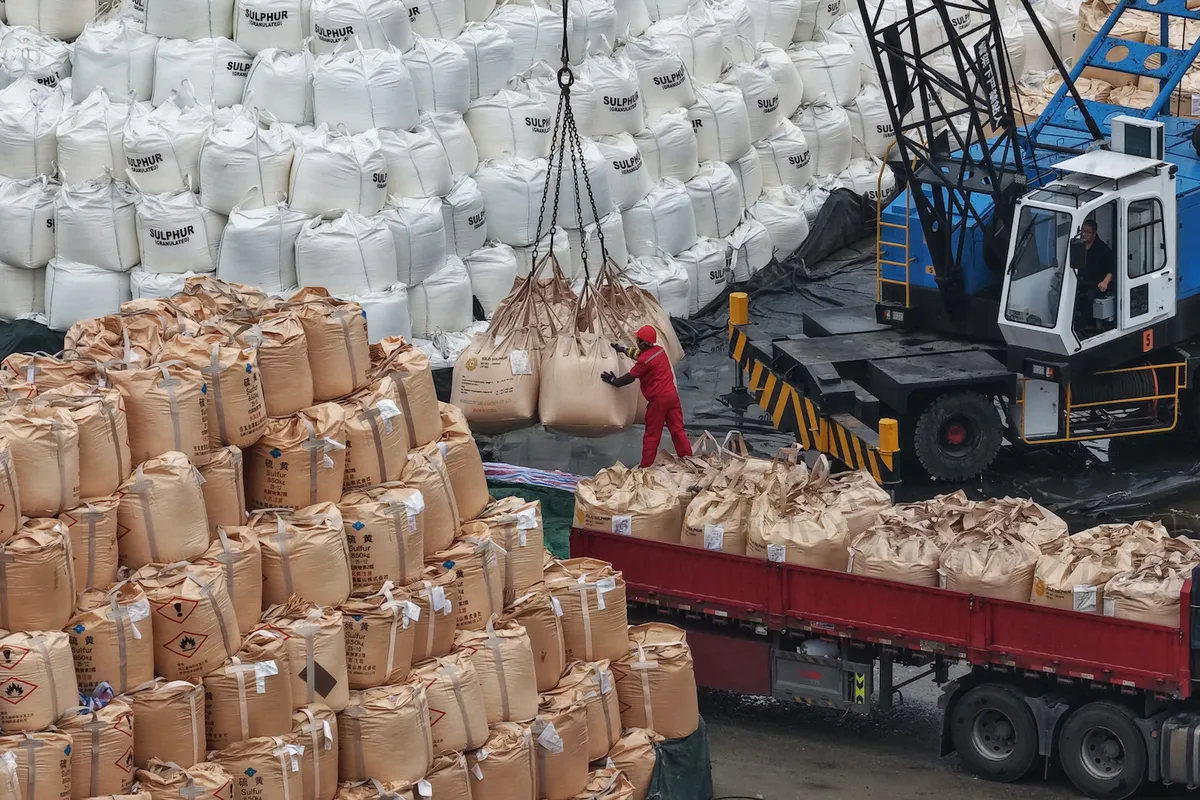
The "overcapacity" debate sits at the center of escalating trade tensions between China and its major trading partners. Western governments contend that excess Chinese production in strategic sectors floods global markets with artificially cheap goods, undermining domestic industries. Chinese economists counter that this framing is selectively applied and serves as cover for protectionist interests.
Lin did not address specific tariff measures in his remarks as reported, but his call for cooperation and openness to alternative economic frameworks aligns with the position Beijing has maintained in diplomatic exchanges on trade policy.
The dispute shows little sign of resolution as both sides continue to expand subsidies and industrial support programs for sectors seen as central to long-term economic and technological competitiveness.