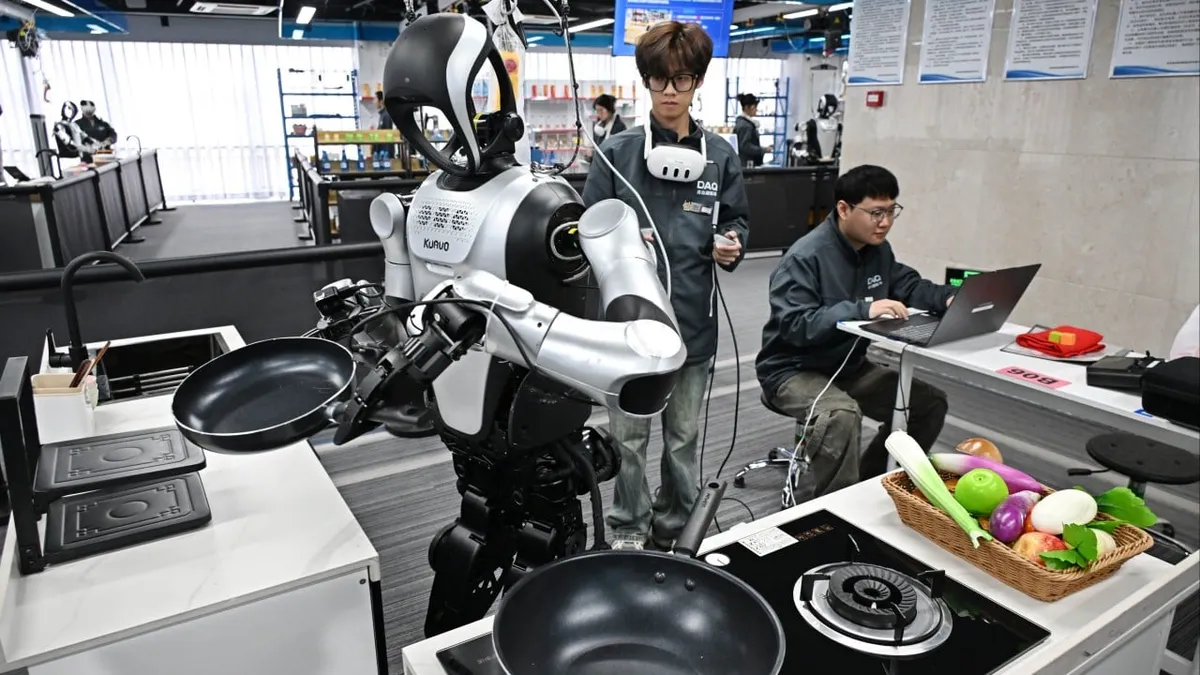
A growing body of analysis suggests that China's emergence as a dominant force in high-technology manufacturing cannot be explained by government subsidies alone, with experts pointing to intensifying domestic competition and systemic industrial factors as equally significant drivers.
The phenomenon has been described in some economic circles as 'China shock 2.0' - a successor to the disruption that followed China's accession to the World Trade Organization in 2001, which reshaped global low-tech manufacturing. The new wave, according to reporting by the South China Morning Post, centers on advanced industries rather than basic goods.
From 'old three' to 'new three'
Chinese policymakers characterize the shift not as a shock to the global system, but as a natural upgrade in the country's export capabilities. Official framing describes a transition from what is called the 'old three' export categories - textiles, furniture and home appliances - to the 'new three': electric vehicles, lithium batteries and solar panels.
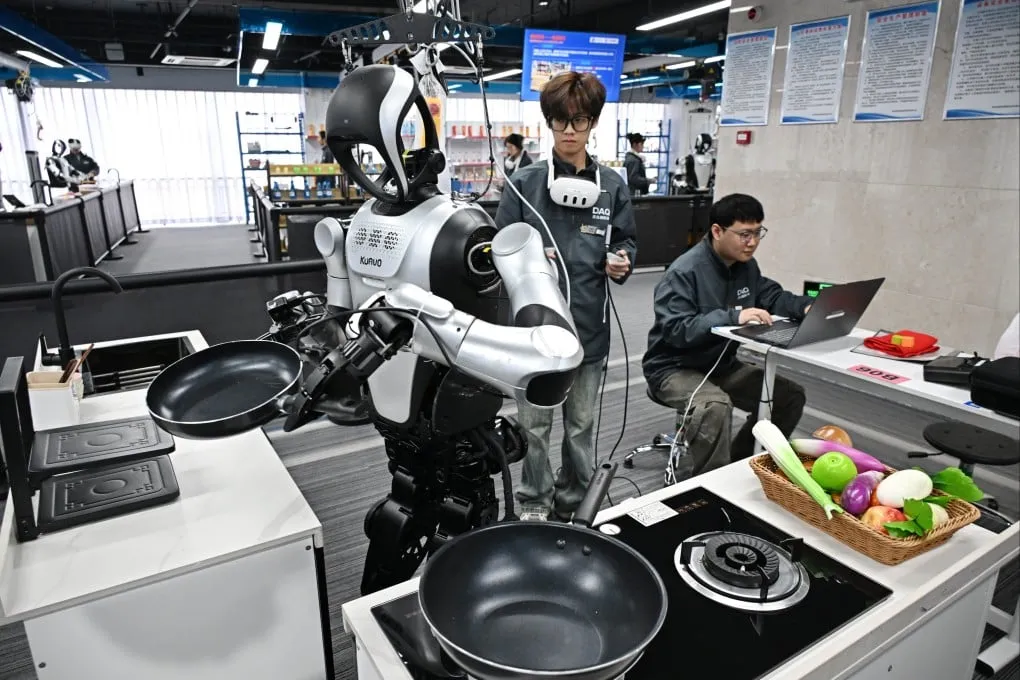
These sectors have seen China accumulate significant global market share in a relatively short period, prompting concern among trading partners in Europe, North America and elsewhere, many of whom have responded with tariffs and import restrictions.
Competition as a driver
While foreign governments and industry groups have focused heavily on the role of state subsidies in enabling Chinese manufacturers to undercut competitors on price, analysts cited in the South China Morning Post report argue this framing is incomplete.
Fierce domestic competition within China's manufacturing sector is identified as a critical factor. Chinese firms compete aggressively against one another in crowded home markets, which can drive down costs and accelerate innovation independently of government support. Companies that survive this environment often emerge with cost structures and production efficiencies that are difficult for foreign rivals to match.
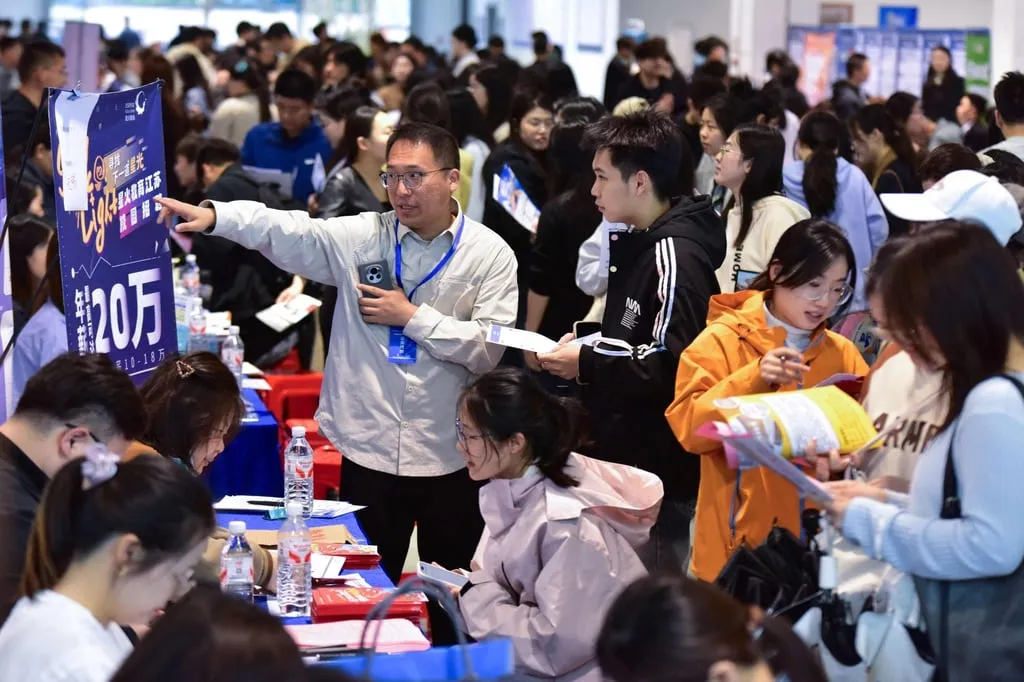
This dynamic means that even if subsidies were reduced, structural competitive advantages built through years of intense market competition could persist.
Global policy response
The rise of Chinese advanced manufacturing has triggered significant policy responses internationally. The United States, European Union and several other economies have introduced or expanded tariffs on Chinese electric vehicles and clean energy products, citing concerns about unfair competition and the strategic importance of domestic industrial capacity.
China has disputed the characterization of its industrial policies as distortive, and has challenged some of these measures through the World Trade Organization.
The debate over what is actually driving China's industrial ascent carries significant policy implications. If subsidies are the primary cause, tariffs and countervailing duties may serve as effective remedies. If deeper competitive and structural factors are at work, the same measures may prove insufficient to alter the underlying dynamics reshaping global manufacturing.