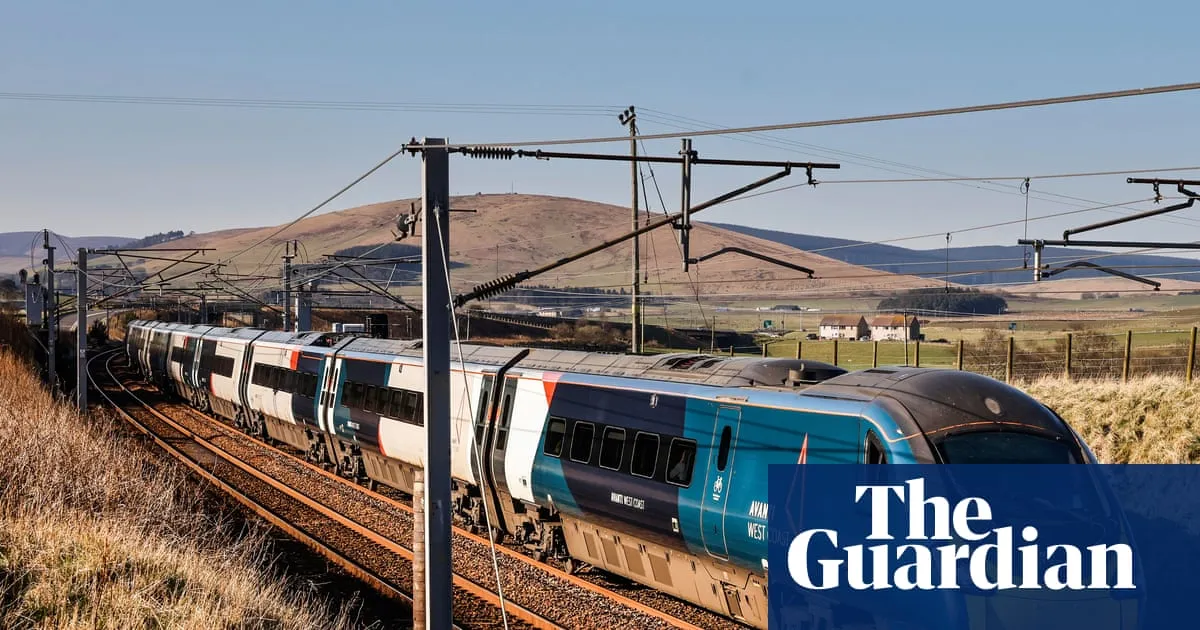
Trainline, the UK-based rail ticketing retailer, has cautioned that escalating tensions in the Middle East are reducing the number of foreign visitors flying into Europe, with knock-on effects for rail ticket sales across the continent.
The company reported a significant rise in profits to £122 million, but tempered that positive result with a warning that revenues are expected to remain flat or fall over the coming year.
In statements reported by The Guardian, Trainline attributed the cautious outlook in part to what it described as "the effects of geopolitical tensions in the Middle East on inbound air traffic into Europe." The company specifically cited the ongoing standoff between the United States and Iran as a contributing factor.
How overseas tensions affect European rail
Trainline's business model depends heavily on travelers who arrive in Europe by air and then use rail networks to move between cities and countries. A reduction in transatlantic and intercontinental flights into European airports - whether driven by safety concerns, traveler caution, or broader economic uncertainty - translates directly into fewer potential rail customers.

The warning illustrates how geopolitical instability in one region can ripple through seemingly unrelated sectors of the global economy. Rail travel within Europe has generally benefited in recent years from increased interest in lower-emission transport options, making the company's cautious guidance notable.
Profits strong despite the outlook
Despite the forward-looking concerns, Trainline's reported profit of £122 million represents a strong financial performance. The company has expanded its reach across European rail markets, positioning itself as a major platform for booking tickets across multiple national rail systems.
The juxtaposition of robust current profits against a cautious near-term revenue forecast reflects a broader trend among travel-related businesses, many of which have recovered strongly from the disruptions of the pandemic era but now face a new set of uncertainties tied to global political developments.
Trainline's comments add to a growing body of signals from the travel and tourism industry that instability in the Middle East is beginning to weigh on consumer and business travel patterns in Europe, even among visitors who would not be traveling to the affected region directly.