
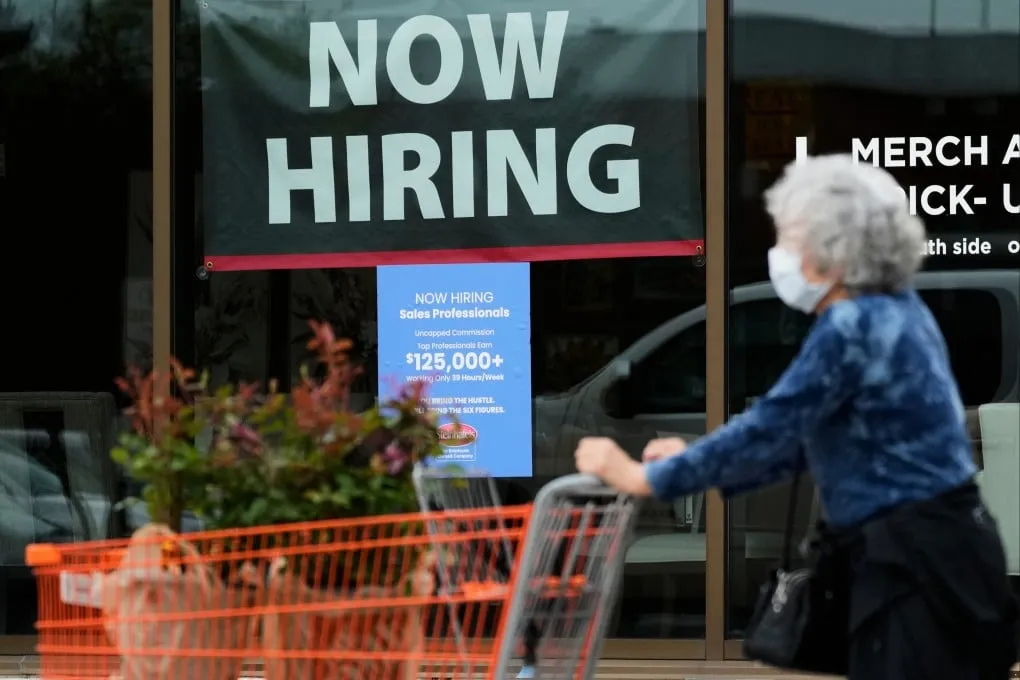
The United States economy added 115,000 jobs in April, surpassing analyst expectations, while the unemployment rate held firm at 4.3 percent, according to official government data released by the Bureau of Labor Statistics.
The BLS reported that total nonfarm payroll employment edged upward during the month, continuing a recent trend of modest labor market gains in the world's largest economy.
Where the jobs came from
Hiring was concentrated in a handful of sectors. Healthcare led the gains, followed by transport and warehousing, and retail trade - industries that have shown relative resilience amid broader economic uncertainty.
The April figures came in above forecasts, offering a surface-level signal of stability in the labor market. The unemployment rate remaining unchanged at 4.3 percent suggests the pace of job creation kept up with growth in the labor force.
Analysts urge caution
Despite the headline numbers beating expectations, economists have warned that the data may not tell the full story. Analysts cited signs of hidden weakness beneath the top-line figures, according to reporting by the South China Morning Post.
The cautionary notes from experts reflect ongoing concerns about the durability of US economic momentum, particularly as the country navigates elevated interest rates, shifting consumer spending patterns, and global trade pressures.
A jobs number that beats forecasts can sometimes obscure softer trends in areas such as hours worked, wage growth, or labor force participation - metrics that give a more complete picture of economic health.
Context and outlook
The April report arrives at a time when policymakers at the Federal Reserve are closely watching labor market data as one of the key indicators guiding decisions on interest rates. A resilient job market has historically supported the case for keeping borrowing costs elevated, while signs of weakness would add pressure to consider cuts.
With the unemployment rate still above the historic lows seen in recent years, and analysts flagging potential vulnerabilities, the labor market picture heading into mid-2025 remains mixed - stronger than some had feared, but not without cause for continued scrutiny.