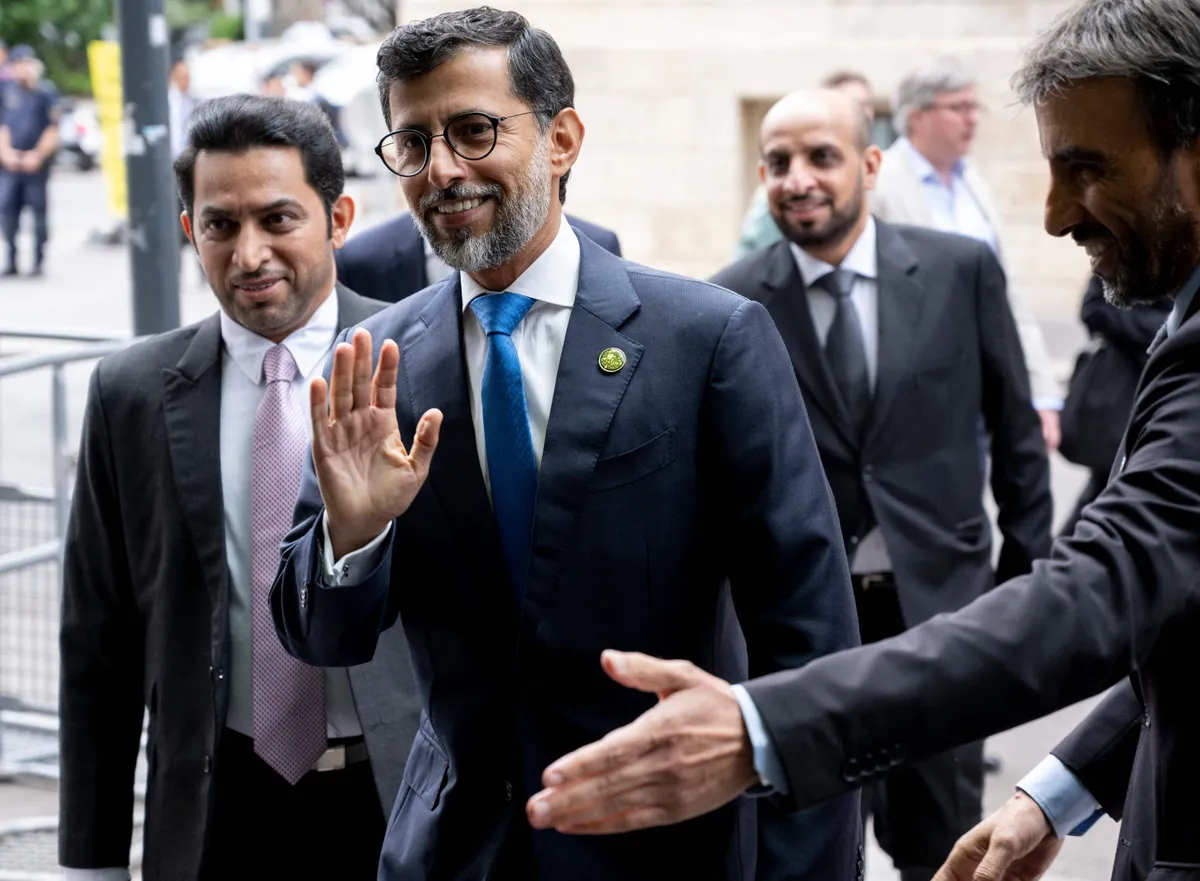
The United Arab Emirates has announced it is leaving OPEC, dealing a significant blow to the oil cartel that has shaped global energy markets for decades, according to reporting by NPR.
The UAE's departure marks one of the most consequential defections in the organization's history. The Gulf nation has long been among OPEC's more restless members, repeatedly expressing frustration with the production quotas the cartel imposes on its members as a mechanism for managing global oil supply and prices.
Years of tension
The UAE's dissatisfaction with OPEC's quota system is not new. As a major state-owned oil producer, the country has consistently argued that the limits placed on its output fail to reflect its actual production capacity and economic ambitions. Abu Dhabi has invested heavily in expanding its oil infrastructure in recent years, and officials have signaled that production ceilings imposed by the cartel were increasingly at odds with those goals.
OPEC, the Organization of the Petroleum Exporting Countries, coordinates oil production among some of the world's largest state-owned producers in order to influence global prices. Member nations agree to output limits, a system that can generate significant internal friction when individual countries believe they are being asked to sacrifice revenue for the collective benefit of the group.
Market implications
The exit of a producer of the UAE's scale raises questions about the cartel's ability to maintain cohesion and discipline among its remaining members. The UAE is one of the world's top ten oil producers and holds among the largest proven crude reserves on the planet.
Analysts have noted that the departure could embolden other members who have similarly chafed at quota restrictions to reconsider their own membership, potentially weakening OPEC's influence over global energy markets at a time when the organization is already navigating pressure from rising non-OPEC production, particularly in the United States.
The move also comes amid broader shifts in global energy demand, as many countries accelerate transitions toward renewable energy sources, adding further uncertainty to long-term oil market dynamics.
What happens next
It remains to be seen how the UAE's exit will affect its relationship with OPEC+ - the broader alliance that includes Russia and other non-OPEC producers - which has operated alongside the original cartel in coordinating output decisions in recent years. The UAE has been an active participant in that grouping as well.
NPR reported that the UAE has long expressed frustration with the quota system it was required to follow as part of the cartel. Official statements outlining the formal terms or timeline of the withdrawal were not immediately detailed in early reports.