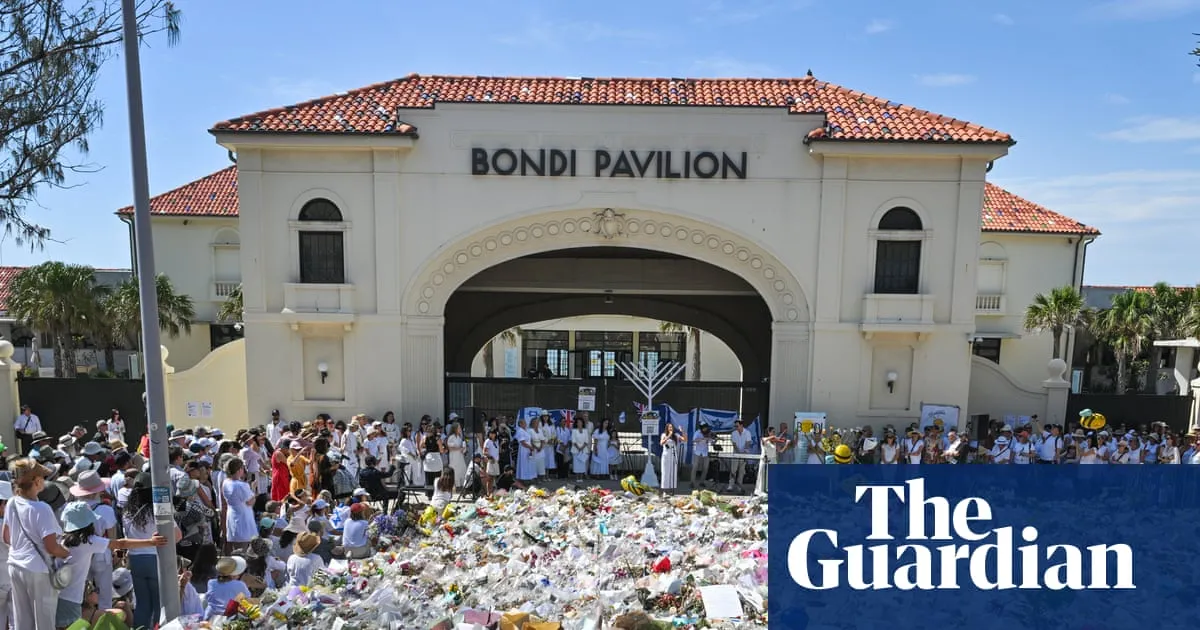
An interim report from the royal commission examining the deadly Bondi Beach attack has landed with the kind of thud that makes bureaucrats sweat through their blazers - and for good reason. According to reporting by The Guardian, Sydney's Jewish community had already flagged a 'high' terror threat to New South Wales police ahead of the Chanukah by the Sea festival at Bondi Beach - and police apparently failed to complete a comprehensive risk assessment for the event.
The attack, in which 15 people were killed, has prompted a sweeping inquiry into how government agencies prepared for - and responded to - the violence. The interim report, containing 14 recommendations, examines what authorities knew, when they knew it, and what they did (or didn't do) with that information.
What the report found
The core concern raised in the interim findings is that despite the Jewish community proactively communicating a serious terror risk ahead of the December festival, NSW Police does not appear to have followed through with a thorough risk assessment process. In plain language: someone raised their hand loudly, and the warning apparently didn't travel far enough up the chain to trigger the kind of planning you'd expect for a high-profile public event with a flagged elevated threat.
This is, to put it diplomatically, not great. To put it less diplomatically, it's exactly the kind of institutional gap that royal commissions exist to drag into the sunlight.

Fourteen recommendations and counting
The interim report stops short of final conclusions - that's what 'interim' means - but its 14 recommendations are focused on improving how police and other agencies assess and respond to credible security risks at community events, particularly those tied to religious or ethnic communities who may already be navigating heightened threats.
The inquiry is ongoing, and the commission is still examining the full scope of agency actions before the attack. Expect the final report to carry significantly more weight - and potentially more uncomfortable reading for NSW authorities.
Why this matters beyond the headlines
The Bondi attack shook Australia in a way that has forced a genuine reckoning with how the country protects its Jewish community - and by extension, any minority group operating under a credible terror threat. The gap between a community flagging danger and police apparently not actioning a proper risk response isn't just a paperwork failure. It's the kind of systemic miss that, in hindsight, feels entirely preventable.
The commission's work is far from over, but the interim findings make one thing very clear: someone communicated the risk. The question the final report will need to answer is why that communication apparently wasn't enough.