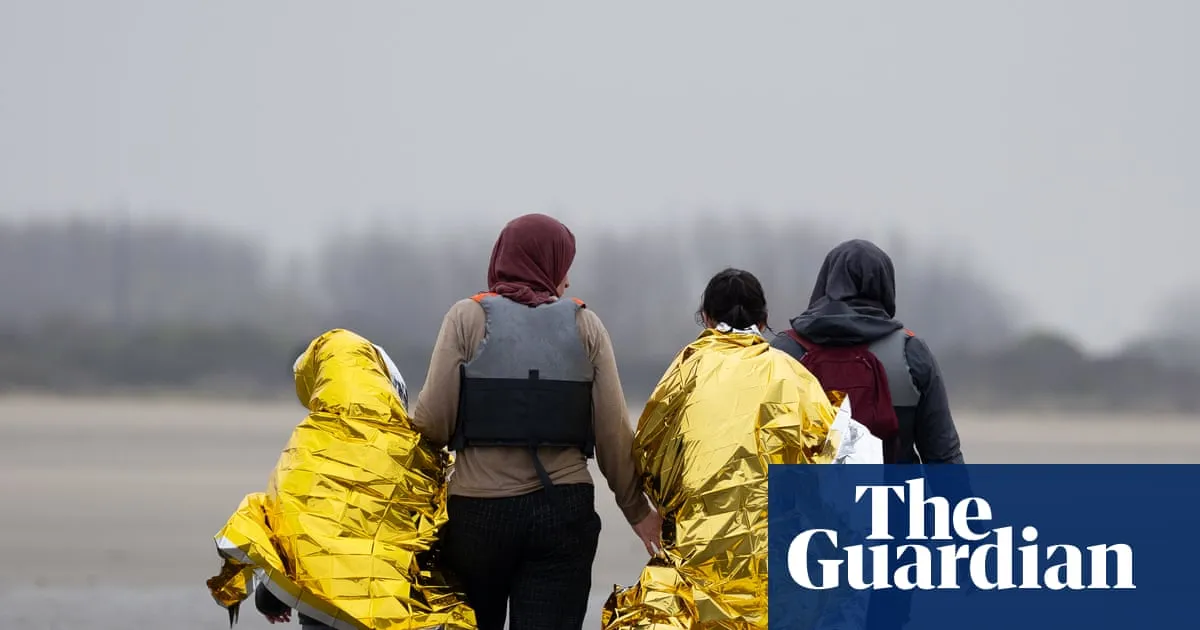
If you thought border policy couldn't get any more grimly absurd, buckle up - because it turns out the UK has been running short-term detention facilities on French soil near Calais and Dunkirk, and they've been holding lone children in them. A lot.
According to Freedom of Information data obtained by the Guardian, unaccompanied minors were detained at these British-operated centres 284 times in 2025 alone. Zoom out to the last four years and that number balloons to roughly 900 incidents. That is not a rounding error. That is a policy.
So what exactly is going on?
The UK operates short-term holding facilities in northern France as part of its border enforcement arrangements - essentially a physical footprint of British immigration control operating on French territory. These are meant to be processing points, not places where children spend any meaningful time. The data suggests that line has been crossed, repeatedly, across multiple years.
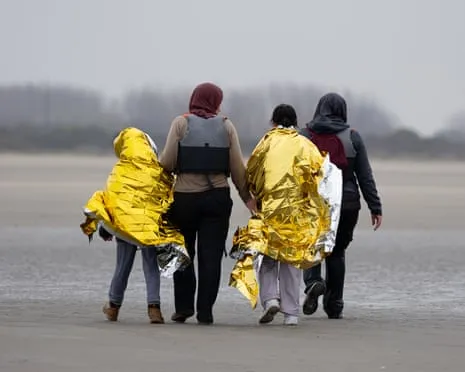
Refugee charities quoted by the Guardian described the numbers as "shocking," which, given that these organisations deal with some of the most harrowing migration situations on a daily basis, is saying something.
Why does this matter?
Unaccompanied minors - children travelling without a parent or guardian - are among the most vulnerable people in any migration context. International law, UK domestic law, and basic human decency all carve out special protections for them. Detention is generally considered a last resort, and for children, most frameworks say it should essentially never happen.
The fact that it has happened 284 times in a single year, at facilities the UK government operates, raises serious questions about oversight, legal compliance, and what exactly the government knew and when.

The awkward geography of all this
There's also a deliciously uncomfortable geopolitical wrinkle here. These are British detention facilities - on French soil - detaining children who are, in many cases, trying to reach Britain. The UK is effectively exporting a chunk of its immigration enforcement apparatus across the Channel, and that apparatus has been scooping up minors.
The current government has made tackling Channel crossings a central political priority, but critics will argue that detaining lone children is a spectacularly bad look for any administration claiming a humanitarian streak.
The Guardian, which obtained the data through FOI requests, has not yet reported a formal government response to the figures. Whether ministers will characterise this as a regrettable oversight or a feature rather than a bug of their border strategy remains to be seen.
What is clear is that nearly 900 children - traveling alone - ended up behind a locked door operated by the British state. That is a fact now on the public record, and it is very difficult to spin.