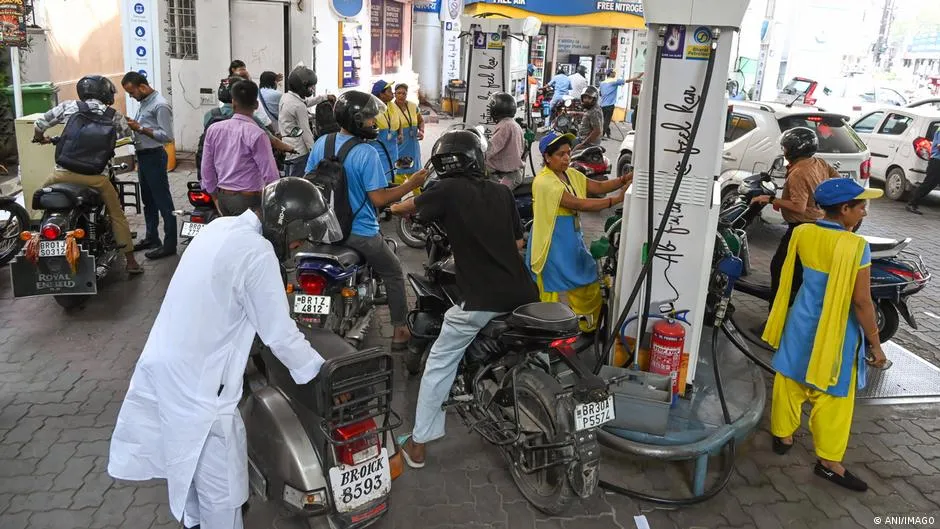
If you were enjoying the suspiciously stable fuel prices at Indian pumps for the past four years, congratulations - that era is now officially over. Indian fuel retailers have raised petrol and diesel prices for the first time since 2021, and according to analysts cited by Deutsche Welle, this may be just the opening act of a much longer and more painful show.
So what happened?
The price hike is being directly linked to the economic ripple effects of the ongoing conflict involving Iran, which has rattled global oil markets and squeezed supply chains in ways that even the most optimistic economists are struggling to spin positively. India, which is among the world's largest importers of crude oil, is particularly exposed when Middle East tensions send energy markets into a spiral.
For context, Indian state-run fuel retailers had been holding prices artificially steady for an unusually long stretch - a period that covered elections, post-pandemic recovery, and a fair amount of global chaos. That dam has now broken.
Why should you care beyond India?
India's fuel pricing decisions carry weight well beyond its own borders. With a population of 1.4 billion people and one of the fastest-growing economies on the planet, a sustained increase in domestic fuel costs could ripple outward through inflation, logistics costs, and consumer spending patterns that affect global trade flows.
Analysts warn, per the DW report, that this first hike is unlikely to be the last. The underlying pressures - elevated crude oil prices, a weakened rupee, and the ongoing geopolitical instability in the region - have not gone anywhere. Fuel subsidies can only absorb so much before governments and state enterprises blink.
The political dimension
Fuel prices in India have long been a politically charged issue. The government's reluctance to raise prices during election cycles is practically a national sport. The fact that retailers have moved now suggests the economic pressure has become too significant to keep kicking down the road. Whether this triggers significant public pushback remains to be seen, but historically, Indian consumers have not taken fuel price hikes quietly.
For now, Indian drivers are being asked to dig a little deeper at the pump - and analysts are essentially warning them to keep that wallet handy, because the next trip to the petrol station might cost even more.
Source: Deutsche Welle