Somewhere in a Bangkok conference room, a Thai government official is pointing at a map and saying "what if we just... went around it?" And honestly, given what's happening in the Strait of Hormuz right now, it's harder than ever to argue with them.
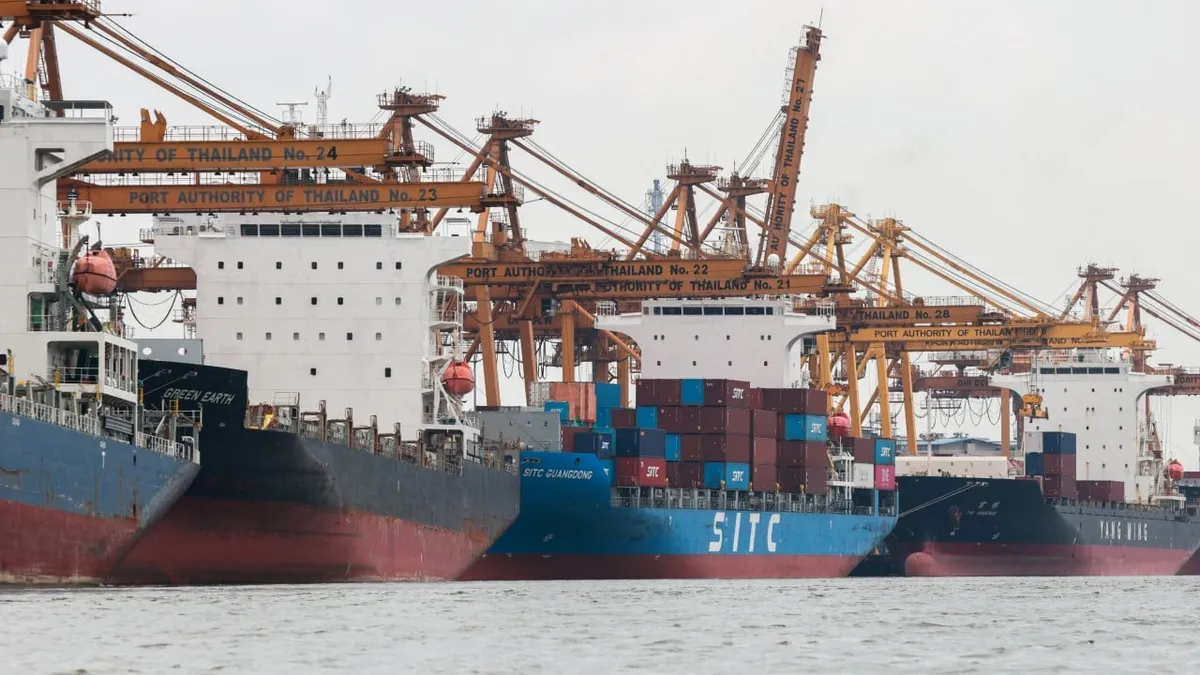
Thailand's long-gestating land bridge proposal - a road and rail corridor connecting a port on the Gulf of Thailand to another port on the Andaman Sea, roughly 90 kilometers apart - has been kicking around for years without gaining much traction. But according to reporting by the South China Morning Post, Iran's escalating posture around the Strait of Hormuz has injected fresh urgency into a plan that its supporters believe could fundamentally rewire Asian trade routes.
The idea, explained for people who skipped geography class
The Strait of Hormuz is one of the world's most critical maritime chokepoints - a narrow passage through which an enormous share of global oil and cargo flows. When geopolitical tensions flare in that region (which, to be fair, is basically always), shipping insurers start sweating and supply chains start wobbling.
Thailand's pitch is essentially this: build the infrastructure across the narrow southern isthmus of the Thai peninsula, and you give cargo ships a way to skip the Malacca Strait bottleneck entirely, shaving days off transit times between the Indian Ocean and the South China Sea. Backers frame it as a crucial new artery for a global economy that has proven disturbingly vulnerable to geography.
Not everyone is buying what Bangkok is selling
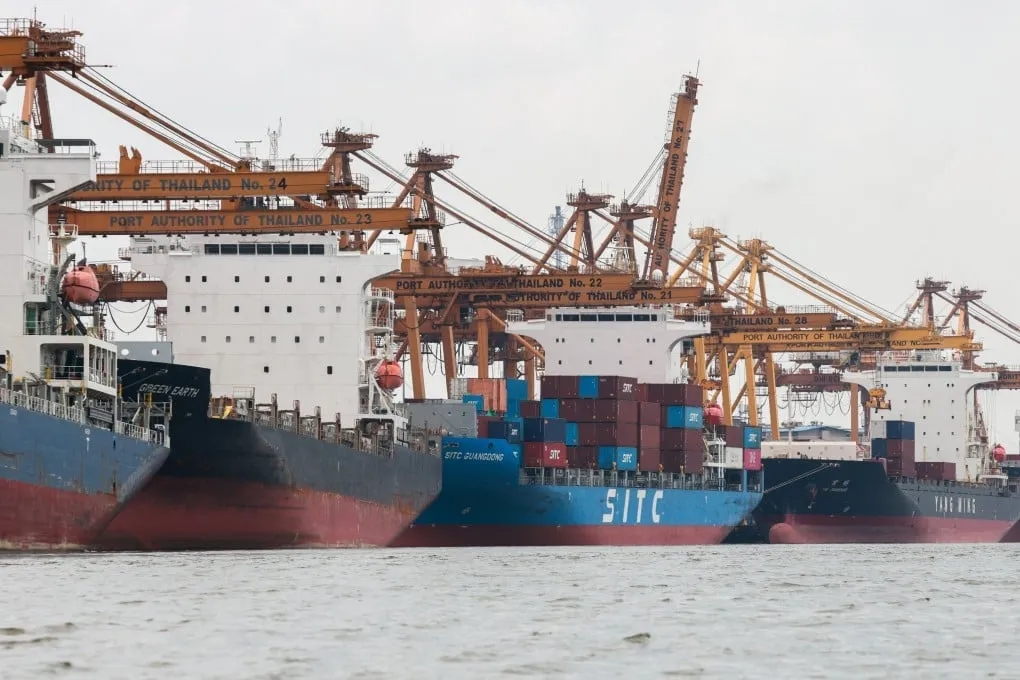
Critics, however, are considerably less excited. According to the SCMP report, detractors argue the project is expensive, potentially environmentally damaging, and - crucially - that the business case remains thin. The concern isn't just cost overruns or ecological disruption to southern Thailand's coastline; it's whether shipping companies would actually use the thing when alternatives like the Malacca Strait already exist and function reasonably well outside of crisis moments.
There's also the question of timing. Thailand already has a considerable infrastructure and economic development agenda on its plate, and committing to a megaproject of this scale requires a level of sustained political will and international investment that hasn't fully materialized.
Crisis as a sales pitch
What the Hormuz situation does, though, is stress-test the argument for redundancy in global trade infrastructure. Every time a single chokepoint threatens to hold the world economy hostage, projects like Thailand's land bridge start looking less like expensive vanity and more like legitimate insurance policies.
Whether that's enough to finally push the plan from PowerPoint to pavement remains very much an open question. But somewhere in that Bangkok conference room, you can bet the pointer is still hovering over that map.