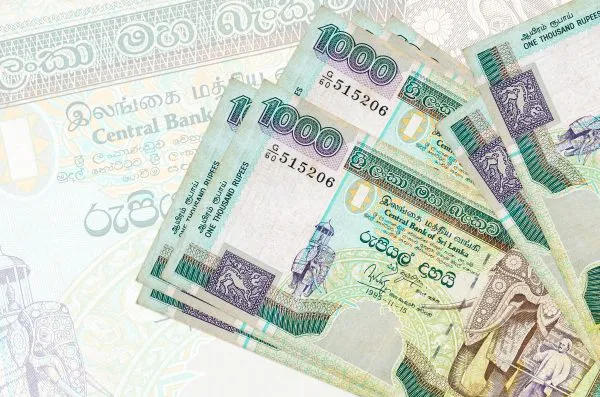
Sri Lanka has barely had time to catch its breath after one of the most spectacular economic collapses in modern Asian history, and the universe, apparently, is not done with it yet. According to an analysis published by The Diplomat, the island nation may now be creeping toward stagflation - that particularly nasty economic condition where prices go up while growth stays flat, essentially the economic equivalent of being stuck in traffic while your car is on fire.
The IMF problem nobody wants to say out loud
Sri Lanka is currently operating under an IMF bailout program, which comes with conditions attached - because of course it does. Those conditions typically involve tightening fiscal policy, cutting subsidies, and keeping monetary policy disciplined. The trouble, as The Diplomat analysis points out, is that when inflation is being driven by rising costs rather than rising demand, the standard playbook starts to fall apart.
Cost-push inflation - the kind where prices rise because production inputs get more expensive, not because consumers are spending like it is 2019 - does not respond well to the tools usually deployed against it. Raising interest rates to cool down demand does not help much when demand is already sluggish. In fact, it can actively hurt the very growth the country is trying to rebuild.
A fragile recovery walking a tightrope
The stakes here are genuinely high. Sri Lanka went through a full foreign exchange crisis, food and fuel shortages, and mass public protests in 2022 that forced then-president Gotabaya Rajapaksa to flee the country. The recovery since then has been painstaking and politically delicate.
If cost-driven inflation continues to rise while growth remains weak, Sri Lanka would find itself in a position where policymakers have no good options. Tighten policy to fight inflation, and you strangle the recovery. Loosen policy to support growth, and you risk blowing up the IMF program - which would likely tank investor confidence and external financing in one swift move.
What to watch
According to The Diplomat's reporting, the key question is whether rising prices are a temporary supply-side blip or a more structural trend. If it is the latter, Sri Lanka's economic recovery timeline could get significantly messier.
For a country that has already lived through the worst-case scenario once, the prospect of another prolonged economic squeeze - even a milder one - carries enormous social and political weight. The government will need to thread an extremely narrow needle between satisfying international creditors and keeping ordinary Sri Lankans from losing patience all over again.
No pressure.