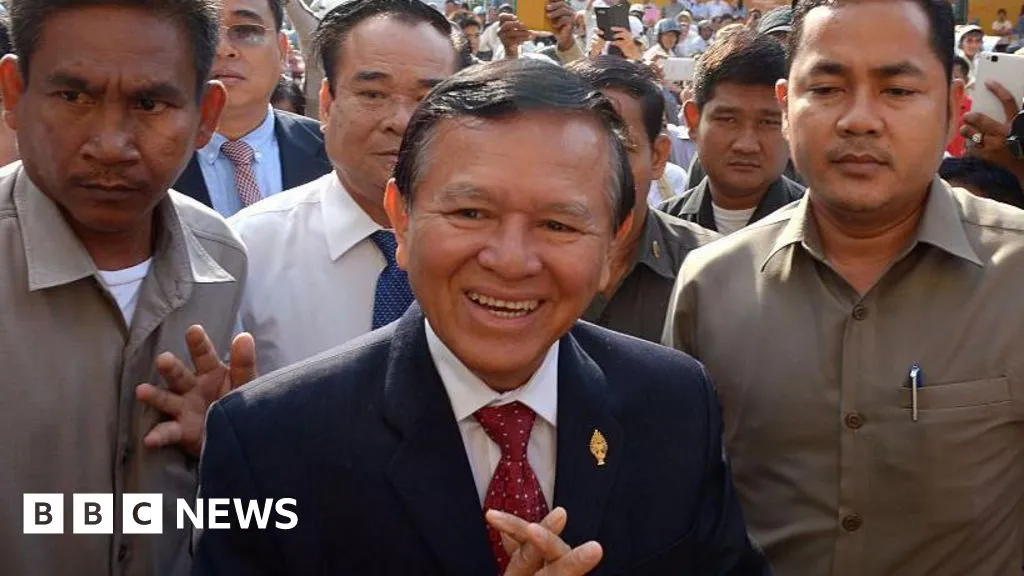
In a move that absolutely no one could have predicted (except literally everyone), Cambodia's King Sihamoni has granted a royal pardon to Kem Sokha, the country's former opposition leader who was serving a 27-year sentence on treason charges that critics, foreign governments, and basically the entire international community had long dismissed as textbook political persecution.
According to reporting by the BBC, Sokha had been convicted in a case widely regarded as part of a broader crackdown on political dissent under Prime Minister Hun Sen's iron grip on Cambodian politics - a grip so firm it left finger marks on the constitution. Sokha led the Cambodia National Rescue Party (CNRP), which was dissolved by court order back in 2017, conveniently right before elections that Hun Sen's ruling party then swept without meaningful opposition.
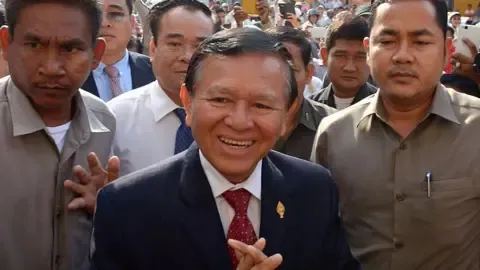
So what exactly was he accused of?
The treason charges against Sokha centered on allegations that he had conspired with the United States to overthrow the government - claims that were met with deep skepticism by human rights organizations and Western governments alike. The U.S., the European Union, and various watchdog groups had been calling for his release for years, framing the prosecution as a politically motivated hit job dressed up in legal clothing.
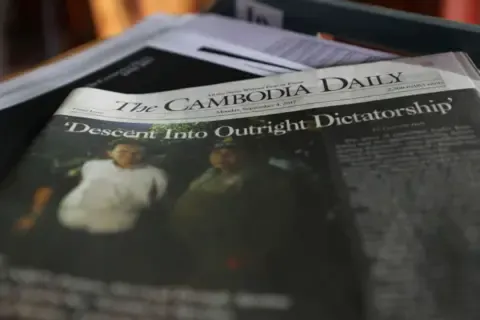
The pardon arrives - better late than never?
The royal pardon now frees Sokha from prison, though it's worth noting that a pardon is not an acquittal. The conviction technically stands on the books, which means his political future remains murky at best. Cambodia's political landscape has shifted somewhat since Hun Sen handed power to his son Hun Manet in 2023, but observers are cautious about reading too much into this pardon as a sign of genuine democratic reform.
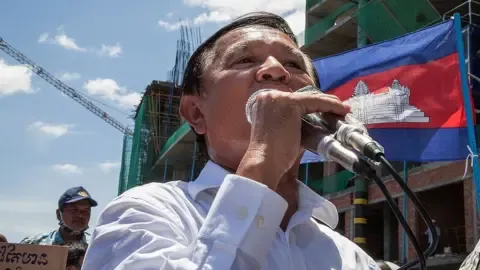
Human rights organizations are likely to point out - and rightly so - that freeing one prominent political prisoner does not a democracy make, especially when the broader ecosystem that put him behind bars in the first place remains largely intact.
What happens next?
That is the million-dollar question. Sokha spent years under house arrest before and during various stages of his legal ordeal, and his ability to re-enter politics is far from guaranteed. The CNRP remains dissolved, and Cambodia's opposition space has not exactly been blooming in the interim.
Still, for Sokha personally, freedom is freedom - and after years of fighting a conviction the world largely refused to take seriously, walking out of that sentence is no small thing.