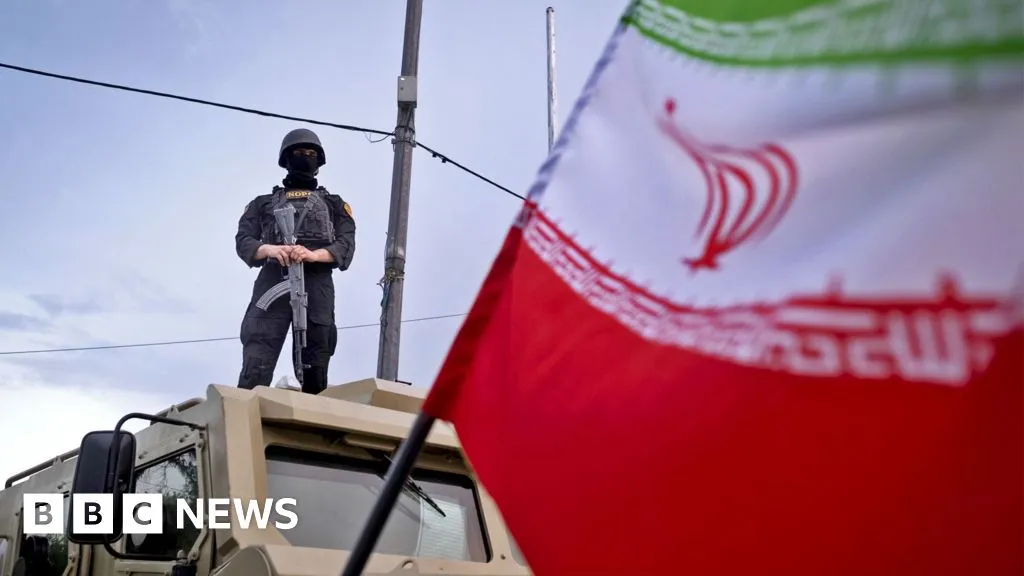
Imagine being terrified of your own government AND a potential missile strike at the same time. For one Iranian activist living in Tehran, that is not a thought experiment - it is Tuesday.
In a report published by the BBC, an unnamed dissident based in the Iranian capital described the crushing psychological weight of existing under two simultaneous threats: the ever-present crackdown by Iranian authorities on dissent, and the looming fear that military conflict could reignite at any moment.
The activist told the BBC she feels helpless and under immense psychological pressure - a state that, frankly, tracks when your options are roughly "get arrested for speaking up" or "duck and cover."
Double jeopardy, Iranian edition
What makes the situation particularly grim, according to the BBC's reporting, is how each threat amplifies the other. The fear of war does not replace the trauma of repression - it layers on top of it, compounding stress that was already at critical levels for activists and dissidents who have been navigating a hostile political environment for years.
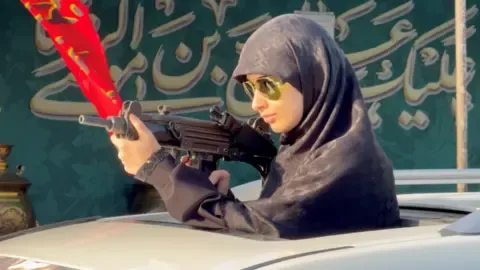
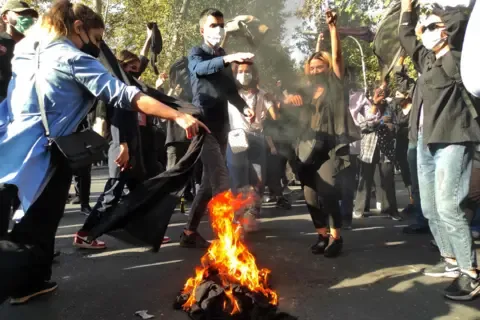
Iran has seen significant internal unrest in recent years, particularly following the death of Mahsa Amini in 2022, which triggered widespread protests and a brutal government crackdown. Security forces have arrested thousands, and human rights organizations have documented extensive abuses. That backdrop of repression has never fully lifted.
Now, with regional tensions running high and the spectre of military escalation hanging over the Middle East, activists inside Iran find themselves in a uniquely awful bind. Protesting risks arrest. Staying silent feels like complicity. And the possibility of bombs falling adds a layer of existential dread that no amount of breathing exercises is going to fix.
The psychological toll that doesn't make the headlines
The BBC's report shines a light on something that often gets lost in geopolitical coverage - the very human, very grinding psychological reality for ordinary people and dissidents caught inside authoritarian states during periods of international tension. The news cycle obsesses over troop movements and diplomatic statements. The person in Tehran trying to decide whether to post something critical online and risk their freedom does not always make the front page.
The activist's account, while not attributed by name for obvious safety reasons, serves as a pointed reminder that international crises do not exist in a vacuum. For people already living under repression, the added weight of potential war is not background noise - it is a full-on assault on mental health and any remaining sense of security.
No word yet on whether the Iranian government has any plans to make any of this easier. Spoiler: probably not.