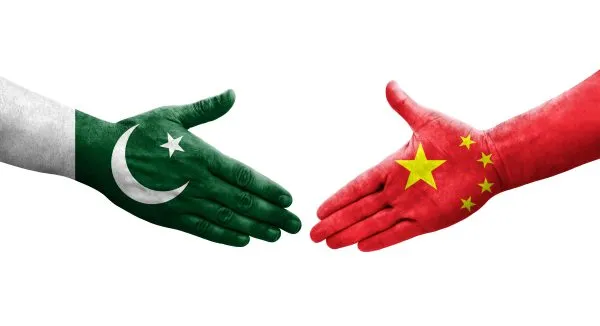
The China-Pakistan Economic Corridor (CPEC) - that mammoth, debt-laden, geopolitically loaded infrastructure behemoth - is apparently getting a makeover. And the aesthetic direction they've chosen is: LinkedIn conference vibes.
According to a report by The Diplomat, Beijing and Islamabad are increasingly pivoting toward business-to-business (B2B) conferences as the new face of their economic partnership. Gone are the days of splashy state-backed announcements about ports, highways, and power plants. The new CPEC apparently involves handshakes, expo booths, and panel discussions about "synergies."
What actually changed?
The shift is more substantive than it sounds. Earlier CPEC investments were predominantly government-driven and infrastructure-focused - think massive energy projects, road networks, and the kind of spending that makes debt-to-GDP ratios sweat. The emerging B2B model, by contrast, is commercially oriented and business-driven, meaning private sector actors on both sides are increasingly being brought to the table.
The Diplomat notes this represents a meaningful structural departure from how Chinese investment in Pakistan has traditionally operated. Rather than Beijing writing checks through state entities, the new framing positions Chinese and Pakistani businesses as mutual partners seeking commercial opportunities together.
Why the rebrand?
Let's be honest - CPEC has had a rough few years in the court of public opinion. Concerns about debt dependency, sovereignty implications, and uneven returns for Pakistan have dogged the project since its inception. Several large-scale CPEC projects have faced delays, renegotiations, or scrutiny from Pakistani officials themselves.
Reframing the whole enterprise as a series of B2B partnerships rather than a top-down state infrastructure play is - from a PR standpoint - pretty clever. It's harder to accuse a trade expo of neo-colonialism than a government-funded megaproject.
But is it actually different?
That's where things get murky. Critics might argue that slapping a "commercial partnership" label on what remains a deeply state-influenced economic relationship is more optics than substance. China's private sector and state interests are, famously, not always easy to disentangle. Whether this B2B pivot represents a genuine evolution in CPEC's structure - or just a more palatable PowerPoint presentation for the same dynamics - remains an open question.
What's clear is that both governments are investing energy into this rebranding effort. Whether the business community, Pakistani citizens, or international observers buy it is another matter entirely.
The full analysis is available at The Diplomat.