If your wallet feels lighter and your anxiety feels heavier, congratulations - you are statistically average. A new Gallup survey has found that 55 percent of Americans say their personal financial situation is getting worse, the highest reading the polling firm has recorded since it began asking this question back in 2001, according to The Hill.
The survey, conducted between April 1-15 as part of Gallup's annual Economy and Personal Finance poll, captures a snapshot of how ordinary Americans are feeling about their own financial lives - not the abstract GDP numbers economists love to debate on cable news, but the very real question of whether things feel better or worse than they did before.
The numbers that should make someone nervous
Fifty-five percent is not a slim majority. It means more than half the country, when asked directly about their own household finances, responded with some version of "things are going downhill." To find a grimmer reading, you'd have to travel back to the early 2000s - a period that included the aftermath of the dot-com bust and the economic shock of 9/11. That's not exactly a cheerful comparison.
Gallup's annual Economy and Personal Finance survey is designed to cut through the noise of partisan bickering and macroeconomic jargon by asking Americans about something they know intimately: their own money situation. And right now, the answer coming back is... not great.
So what's driving the gloom?
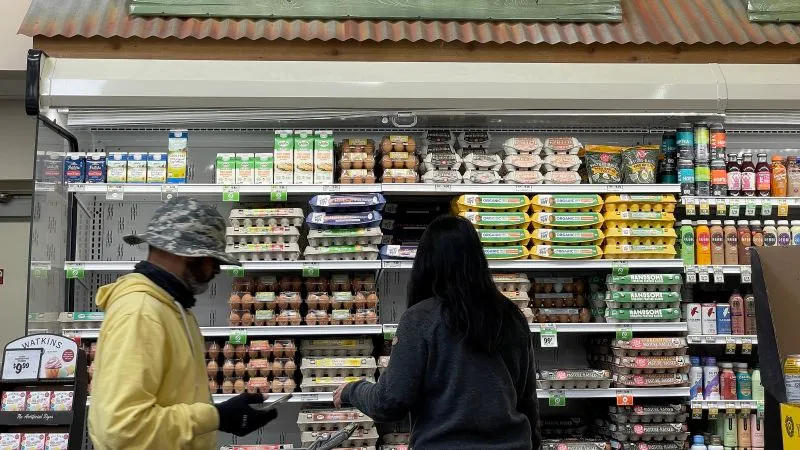
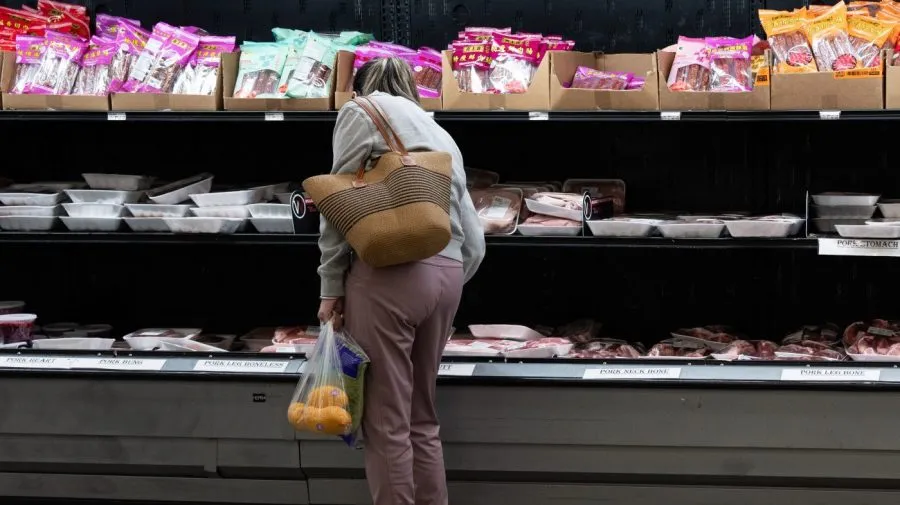
While the Gallup poll itself measures sentiment rather than causes, the timing is telling. The survey was conducted in early-to-mid April, a period when tariff announcements were rattling markets and grocery prices remained stubbornly elevated. Whether you're a casual shopper wincing at egg prices or a small business owner trying to plan around unpredictable trade policy, the economic environment in April 2025 was not exactly soothing.
It's worth noting this poll measures perception of personal finances - which economists will be quick to point out is not the same as objective economic data. But as any halfway decent social scientist will tell you, perception drives behavior. When people feel poorer, they spend less, save more anxiously, and generally behave in ways that can make the economy actually perform worse. Vibes, it turns out, have consequences.
The punchline nobody asked for
The last time this many Americans felt this financially pessimistic, flip phones were cutting-edge technology and people were just starting to hear about something called "broadband internet." Twenty-four years later, we have smartphones, AI assistants, and same-day delivery - and somehow more than half of us still feel like we're falling behind. Progress!
The Gallup findings were released on Tuesday and are available via The Hill's reporting on the survey.