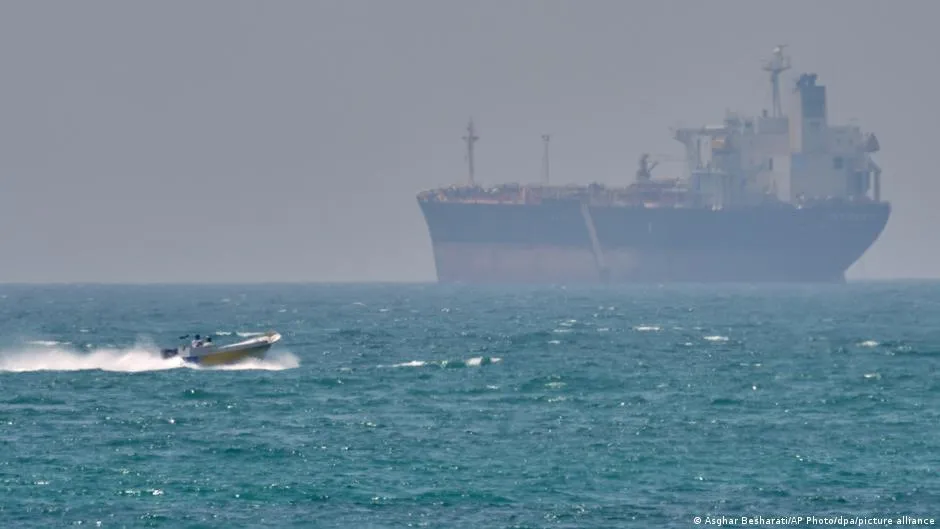
For a country that has spent the last two decades methodically preparing for every conceivable geopolitical contingency, China may have left a rather embarrassing vulnerability sitting right in the middle of its energy supply chain - and it goes by the name of the Strait of Hormuz.
According to an analysis published by The Diplomat, Beijing's energy security ultimately hinges on a handful of maritime chokepoints, with Hormuz being the most critical. Despite ambitious efforts to diversify suppliers, bulk up strategic storage reserves, and carve out overland pipeline corridors through Central Asia and Myanmar, a significant chunk of China's oil imports still has to pass through a 33-kilometre-wide bottleneck flanked by Iran on one side and Oman on the other.
The illusion of diversification
China has genuinely tried. It has cultivated energy relationships across the Middle East, Russia, Africa, and Latin America. It has built the largest strategic petroleum reserve program in its history. It has poured investment into pipelines designed to bypass sea lanes entirely - notably the China-Myanmar pipeline and the Central Asia-China gas corridor.
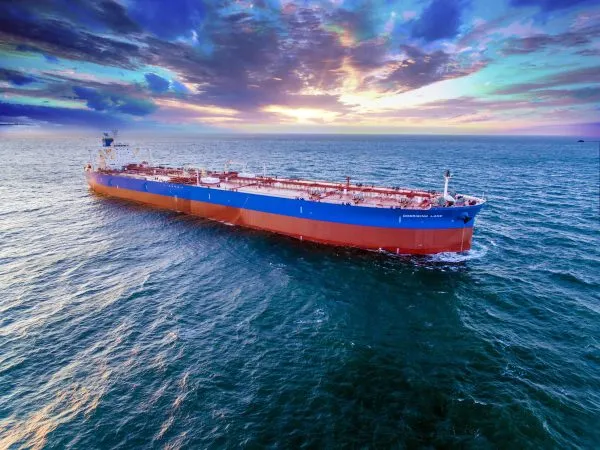
But here is the uncomfortable arithmetic: pipelines from Russia and Central Asia, while valuable, cannot alone replace the sheer volume of crude that flows in by tanker. And a huge proportion of those tankers pass through Hormuz. The Diplomat's analysis suggests that despite all the hedging, Beijing has not fundamentally escaped its dependence on a route it does not control and cannot easily defend.
Why this keeps Beijing up at night
The timing matters. With tensions in the broader Middle East remaining elevated, any scenario that disrupts Hormuz traffic - even temporarily - sends shockwaves through an economy that is simultaneously managing slowing growth, a property sector hangover, and trade friction with the West. China does not have the naval projection capability to keep that strait open unilaterally, which means its energy security is, in a very real sense, someone else's problem to solve.
This is not a new observation, but The Diplomat's framing around the current "Hormuz crisis" moment gives it fresh urgency. The gap between China's stated energy independence goals and its actual structural exposure remains wide - and that gap is essentially a 33-kilometre-wide strait full of tankers and geopolitical anxiety.
For a nation that treats long-term strategic planning as practically a national religion, that is a remarkably unresolved loose end.