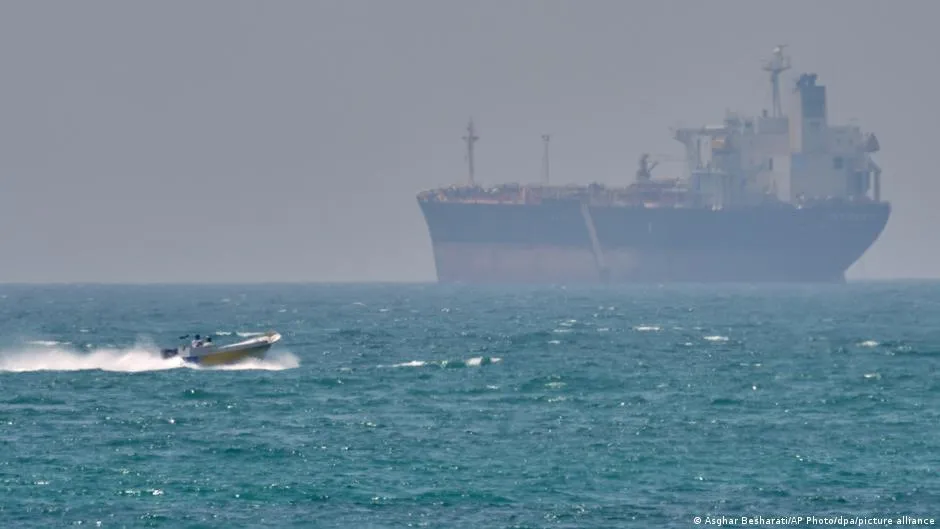
Tokyo and Seoul are having a very uncomfortable moment of national self-reflection right now, and it has everything to do with a narrow strip of water between Iran and Oman that neither country is anywhere near. The Strait of Hormuz blockade has hit Japan and South Korea like a cold splash of geopolitical reality, forcing both governments to confront just how catastrophically dependent they are on maritime trade routes for the basics of modern life - food, fuel, and pretty much everything in between, according to reporting by Deutsche Welle.
The problem, spelled out painfully simply
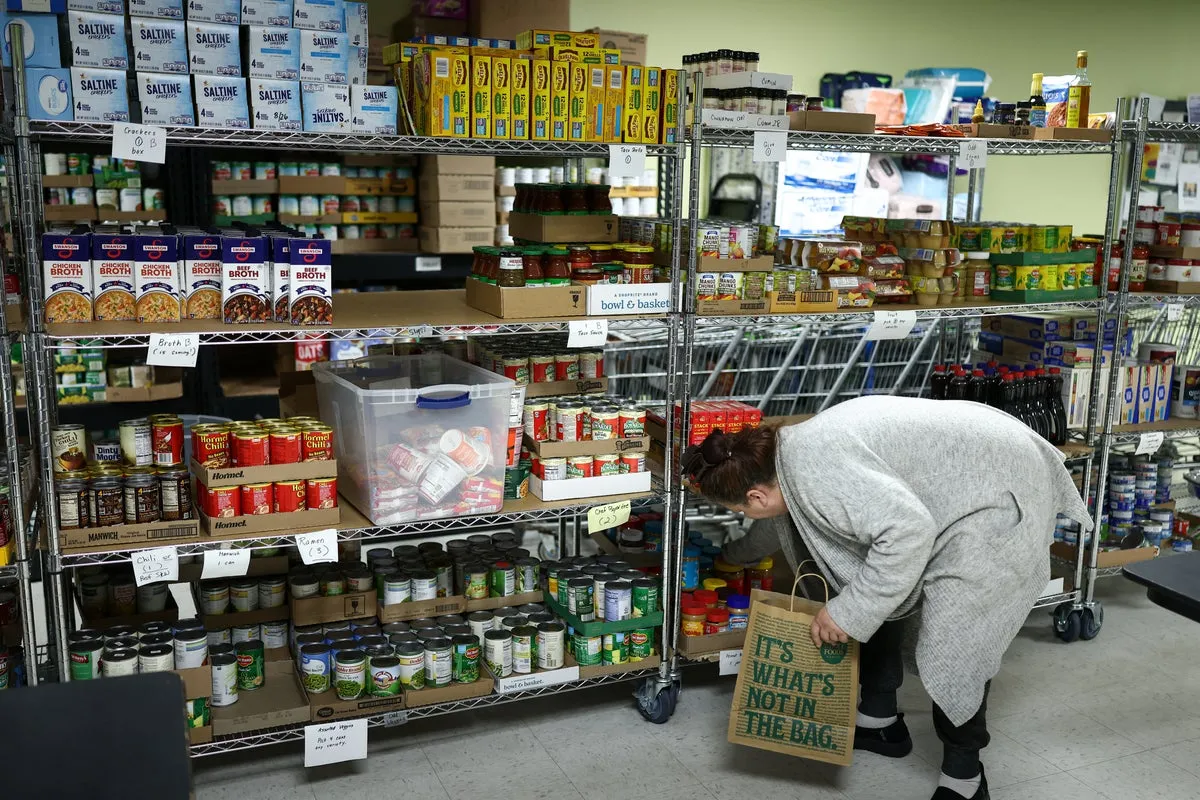
Japan and South Korea are both island or peninsula nations with enormous industrial economies and comparatively small natural resource bases. That means nearly everything - from crude oil to liquefied natural gas to grain - arrives by ship. When someone throws a wrench into one of the world's most critical maritime chokepoints, the downstream effects are not abstract geopolitical talking points. They are grocery store shelves and petrol prices.
The Hormuz strait handles a staggering share of global energy exports, particularly from Gulf producers that both Asian economic powerhouses rely on heavily. A disruption there does not just inconvenience traders - it squeezes the jugular of entire national economies.
So what now, exactly?
Both governments are now under pressure to seriously rethink their strategic posture. That means grappling with some uncomfortable questions: Should they diversify supply chains more aggressively? Invest in strategic reserves? Deepen military cooperation to protect shipping lanes? All of the above?
The crisis has effectively done what years of policy seminars and think-tank reports could not - it has made the abstract threat of maritime disruption feel very, very concrete to decision-makers in Tokyo and Seoul.
A wake-up call with a very loud alarm
Analysts have long warned that both countries carry outsized vulnerability to exactly this kind of scenario. The Hormuz crisis, as DW reports it, has exposed the gap between knowing a risk exists and actually being prepared for it.
For Japan especially, memories of the 1970s oil shocks - which sent the economy into a tailspin - are baked into institutional memory. The question now is whether that memory is enough to drive genuinely transformative policy changes, or whether both nations will patch the immediate damage and go back to business as usual once the crisis eases.
Given how slowly strategic pivots tend to happen in peacetime, history is not exactly betting on the bold option. But then again, nothing focuses the mind quite like realizing your entire food and fuel supply chain runs through a bottleneck somebody else can close.