Uzbekistan, a country most people struggle to locate on a map, is quietly pulling off one of the more ambitious energy transformations in the world right now. According to a report by Euronews Business, the Central Asian nation is simultaneously rolling out EBRD-backed solar and battery storage projects, upgrading its creaking electricity grid, and laying the groundwork for its very first nuclear power plant. Multitasking, Central Asian style.
So what's actually happening here?
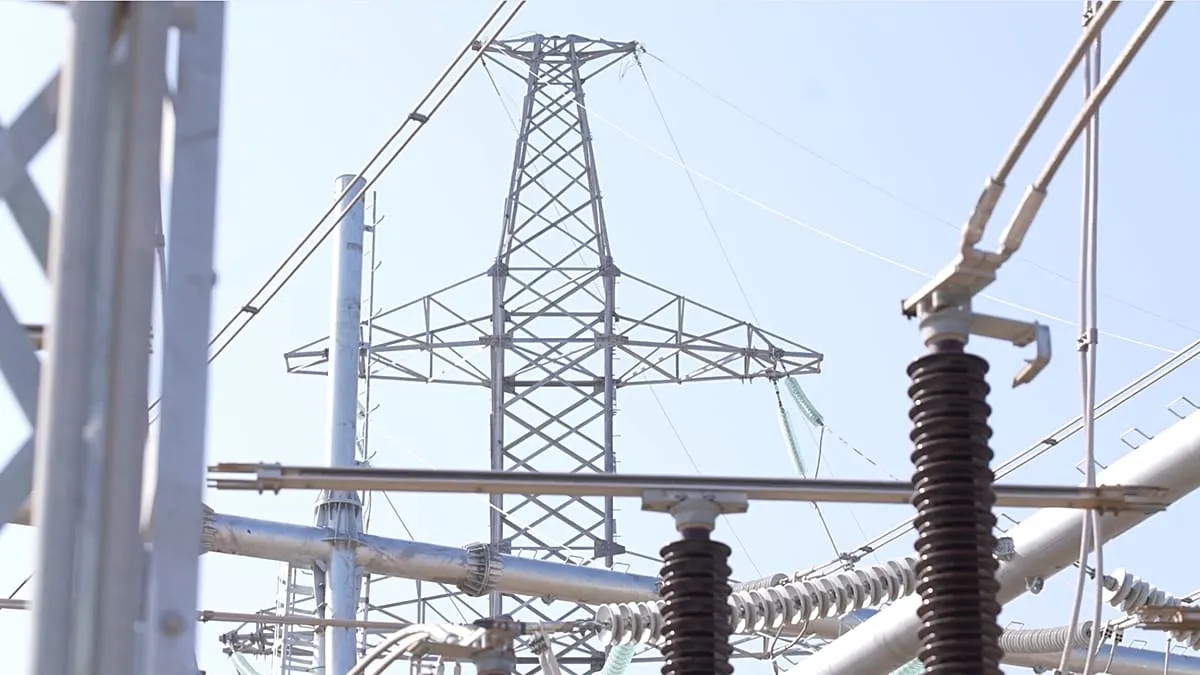
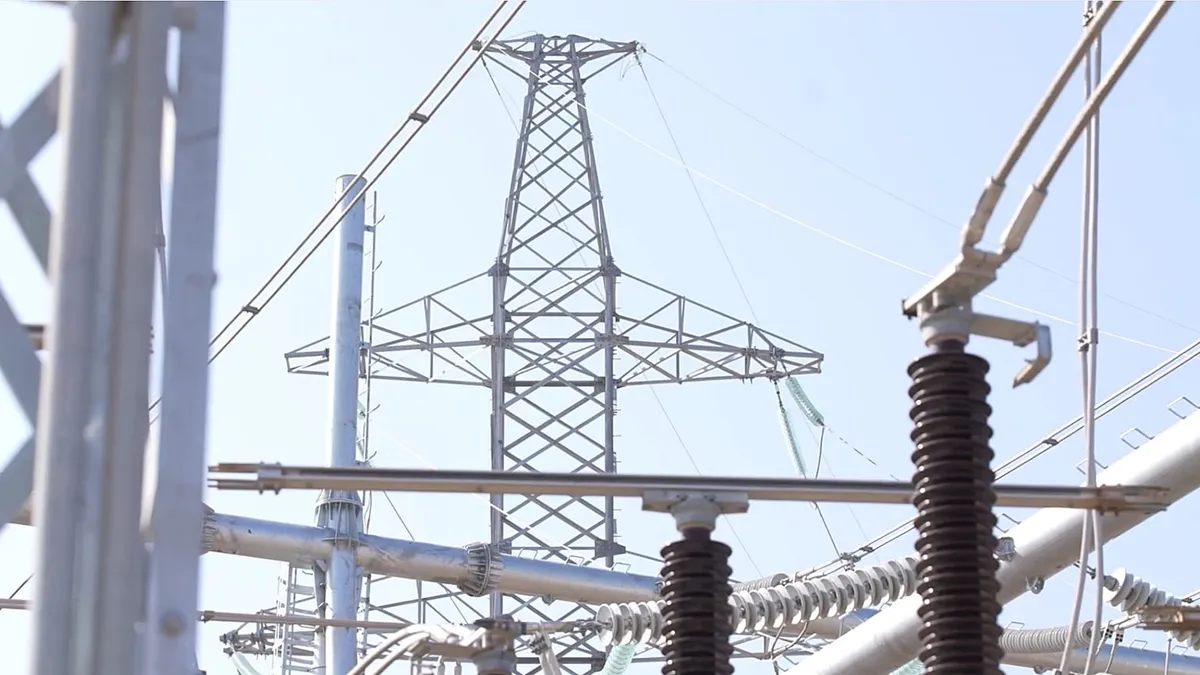
The European Bank for Reconstruction and Development (EBRD) has been backing solar and battery projects in Uzbekistan to help meet surging electricity demand. The country's power needs have been growing at a pace that its old Soviet-era infrastructure simply cannot keep up with. Grid upgrades are reportedly part of the plan too, which is the boring-but-essential plumbing work that makes everything else possible.
And then there's the nuclear plant - Uzbekistan's first - which is set to dramatically reshape the country's long-term energy mix. No small feat for a nation that, until relatively recently, was almost entirely dependent on natural gas for its electricity generation.
Why should anyone outside Central Asia care?
Because this is a major investment test, as Euronews frames it. Central Asia sits at a geopolitical crossroads where Russian, Chinese, and Western financial interests all compete for influence. When the EBRD shows up with solar money, that's not just about clean energy - it's a signal about which direction Uzbekistan is tilting. Spoiler: it's complicated.

The scale of investment required to modernise the region's energy systems is genuinely enormous. Uzbekistan alone needs billions to upgrade infrastructure that has been underfunded since the Soviet Union collapsed. Getting that financing right - balancing renewables, storage, nuclear, and grid resilience - is exactly the kind of puzzle that keeps energy economists up at night.
The bigger picture
Uzbekistan's energy makeover is part of a broader Central Asian reckoning with electricity infrastructure. The region has historically suffered from cross-border energy disputes and winter blackouts that would make a European grid operator weep. Adding solar, batteries, and eventually nuclear capacity could genuinely change that calculus.
Whether the financing holds up, the projects deliver on time, and the nuclear ambitions survive contact with reality remains very much to be seen. But as investment tests go, this one is worth watching - even if you have to look up where Uzbekistan is first.