China has strongly criticized a United States naval blockade of Iranian ports, calling the action irresponsible and warning that it risks destabilizing an already fragile ceasefire, according to a report by the BBC.
Beijing, which is the largest buyer of Iranian oil, framed the US move as a dangerous escalation that could undermine diplomatic efforts in the region. Chinese officials did not specify which ceasefire they were referring to in the reported statement, but the remarks come amid broader tensions involving Iran and its neighbors.
The Chinese government's response reflects its longstanding opposition to unilateral US sanctions and military posturing that it argues bypasses international legal frameworks. China has consistently maintained economic and diplomatic ties with Tehran despite repeated rounds of Western-led sanctions targeting Iran's oil exports and nuclear program.
For China, the stakes are significant. Iranian oil has served as a key energy source for Chinese refiners, particularly as Beijing seeks to diversify its energy imports and reduce dependence on supplies from other regions. A sustained naval blockade that restricts Iranian oil shipments could carry direct economic implications for Chinese energy markets.
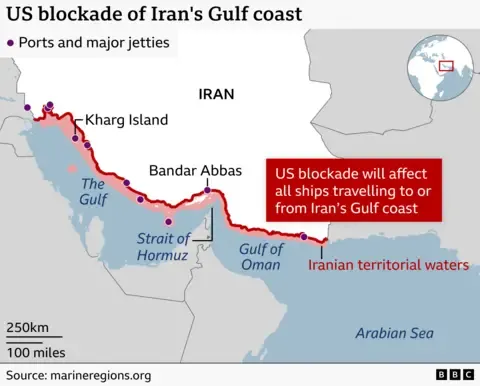
The United States has not immediately responded publicly to China's characterization of the blockade, according to available reporting. Washington has previously justified naval pressure on Iran as a tool for enforcing sanctions and curbing what it describes as Iran's destabilizing activities in the Middle East, including alleged support for militant groups across the region.
Iran itself has historically condemned such blockades as acts of economic warfare and violations of international maritime law, though no fresh Iranian statement was included in the BBC's reporting on this development.

The dispute highlights the deepening divide between Washington and Beijing over how to manage Iran's role in Middle Eastern geopolitics. While the US and its Western allies advocate for maximum economic pressure, China and Russia have generally opposed that approach in favor of diplomatic engagement and continued trade.
Analysts have long noted that Chinese purchases of Iranian oil provide Tehran with a financial lifeline that partially offsets the impact of US-led sanctions. The extent to which a naval blockade could meaningfully restrict those flows remains a point of contention between Washington and its critics.
The situation is developing, and further statements from the involved parties are expected as international attention focuses on the Persian Gulf region.