Afghanistan is undergoing a significant reframing in the eyes of its neighbors, with Central Asian countries increasingly viewing the country as a space of economic and regional opportunity rather than solely a source of security threats, according to analysis published in The Diplomat.
The shift in perspective marks a notable evolution in how regional actors engage with Afghanistan under Taliban rule, with connectivity, trade routes, and energy infrastructure emerging as areas of growing interest among neighboring states.
A changing regional calculus
Central Asian nations, which share borders or close geographic proximity with Afghanistan, have historically focused on the country's potential to export instability - including militant activity, narcotics trafficking, and refugee flows. That risk-centered framing, analysts argue, is now being supplemented by a more pragmatic economic lens.
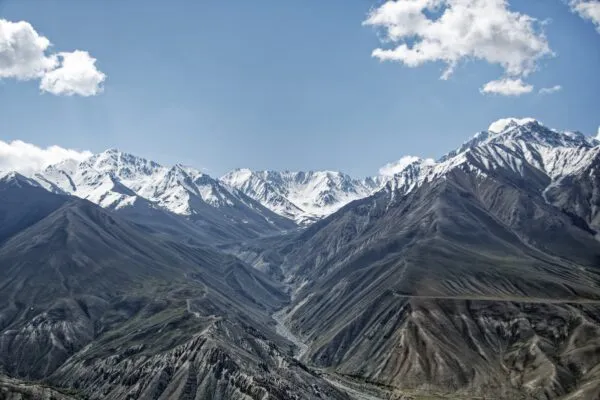
Afghanistan sits at a geographic crossroads that could serve as a land corridor linking Central and South Asia, as well as connecting regional energy projects. Countries such as Uzbekistan and Turkmenistan have pursued infrastructure and trade initiatives that route through Afghan territory, reflecting this updated assessment.
UNAMA's evolving mandate
The United Nations Assistance Mission in Afghanistan, known as UNAMA, is also navigating a changed operating environment. The mission continues to engage with Afghan authorities and regional partners on humanitarian and governance issues, even as the Taliban government remains unrecognized by the international community.
The role of multilateral bodies like UNAMA is increasingly tied to facilitating dialogue between Afghanistan and its neighbors, serving as a platform for coordinating regional responses to shared challenges including food security, water management, and economic development.
Tensions and limits
The emerging opportunity-focused framing does not erase longstanding concerns. Human rights conditions inside Afghanistan, particularly restrictions imposed on women and girls, remain a central point of international criticism and continue to complicate formal diplomatic engagement.
Regional governments must balance economic interests with political sensitivities around legitimizing Taliban governance, a tension that shapes the pace and depth of cooperation.
The analysis in The Diplomat suggests that regional cooperation frameworks - including those organized through the Shanghai Cooperation Organisation and various Central Asian multilateral platforms - are becoming key venues for managing this dual reality of risk and opportunity.
Whether this evolving regional engagement translates into meaningful improvements for ordinary Afghans remains an open question, as international humanitarian funding gaps continue to affect millions inside the country.