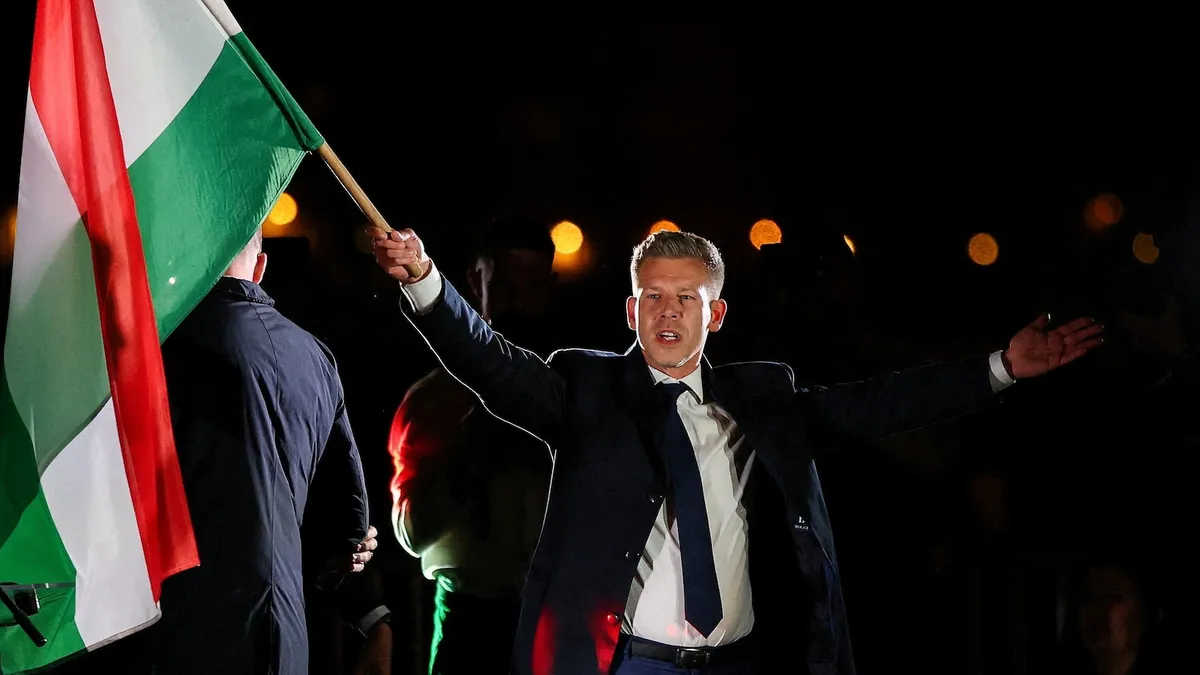
Hungarian Prime Minister Viktor Orbán has conceded defeat in a national election, ending a 16-year grip on power that made him one of Europe's most polarizing and enduring political figures, according to ABC News.
Orbán's loss represents one of the most consequential political upsets in recent European history, toppling a leader who had become a central figure in the global far-right movement and a prominent ally of former U.S. President Donald Trump.
A reign defined by controversy
Since returning to power in 2010, Orbán reshaped Hungary's political and institutional landscape, tightening government control over the media, the judiciary, and civil society. His governing Fidesz party built an electoral system that critics - including the European Union - argued entrenched advantages for the ruling party.
Orbán positioned himself as a defender of Christian nationalist values and a vocal opponent of immigration, drawing both fierce domestic opposition and sustained scrutiny from Brussels. Hungary repeatedly clashed with EU institutions over the rule of law, leading to the freezing of billions of euros in EU funds designated for the country.
International reverberations
His defeat is being closely watched across Europe and beyond. Orbán cultivated strong ties with Trump, Russian President Vladimir Putin, and other nationalist leaders, making Budapest a hub for right-wing international networking. His removal from office could weaken that network and shift Hungary's foreign policy orientation, particularly regarding the war in Ukraine, which Orbán opposed supporting through Western military aid.
Hungary holds the rotating presidency of the EU Council, a role that had given Orbán an elevated platform in European affairs. The country's new leadership is expected to take a markedly different approach to relations with both the EU and NATO allies.
What comes next
The opposition coalition that defeated Orbán has not yet detailed its full governing agenda, but early signals suggest a move toward repairing ties with the European Union and aligning more closely with Western partners on the conflict in Ukraine.
For Orbán's international allies, the result is a setback. His political model - combining nationalist rhetoric, centralized state power, and skepticism of multilateral institutions - had been cited as a template by right-wing movements from Italy to the United States.
ABC News reported that Orbán conceded after results made clear his party could not form a majority government. No further statements from Orbán or his party on a transition timeline were immediately available.