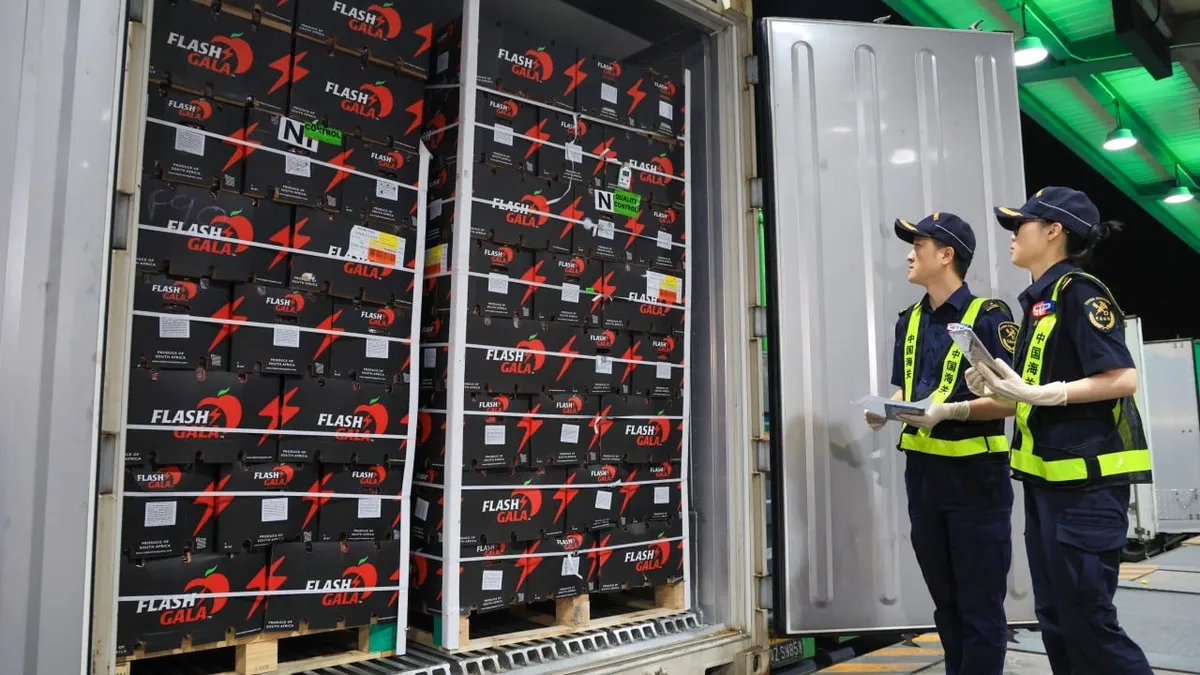
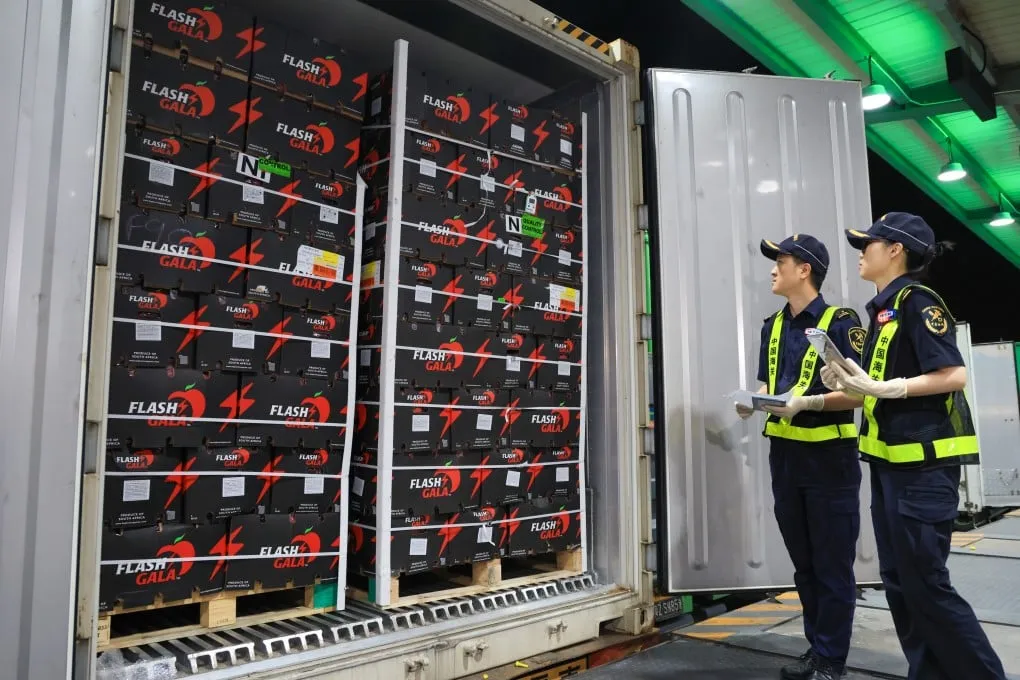
On May 1st - Labour Day, of all the poetic timing - two shipments quietly rewrote the rulebook for South African exporters. According to the South China Morning Post, China's Shenzhen Bay port cleared 24 tonnes of South African apples, while Hunan province processed 6,000 bottles of South African wine. Nothing unusual there, you might think. Except this was the very first time either product had entered China under a brand new zero-tariff arrangement - meaning the 10% duty that previously made South African apples less competitive had simply... vanished.
Why now, and why does it matter?
The timing is not accidental. South Africa, like many export-dependent economies, has been nervously watching its traditional trading relationships fray at the edges. The United States under the Trump administration has been swinging tariffs around like a toddler with a foam bat - except the bat is made of steel and it hurts. That pressure has pushed South African exporters to look east, and China's new duty-free access for African partners is landing at exactly the right moment.
For context, South Africa already has a reasonably deep trade relationship with China, but agricultural exports have historically faced barriers that made competing with, say, Chilean or New Zealand produce a tough ask. Removing the apple tariff levels that playing field considerably, and the wine concession opens a door into one of the fastest-growing premium beverage markets on the planet.
The bigger picture - Africa-China trade is getting serious
This arrangement is part of a broader Chinese push to deepen economic ties with African nations, which observers have noted serves Beijing's geopolitical interests as much as it does African exporters' balance sheets. That dual motivation does not make the benefit less real for South African farmers and producers, but it is worth keeping in mind when evaluating how durable these arrangements might be over the long term.
The South China Morning Post report frames this as a genuine lifeline for South African exporters seeking diversification away from increasingly unpredictable Western markets - and it is hard to argue with that framing. When your biggest alternative buyer removes a 10% cost penalty on the same day your traditional partners are slapping on new ones, the math starts to look pretty compelling.
What's next?
Twenty-four tonnes of apples and 6,000 bottles of wine are small numbers in the grand scheme of global trade. But first shipments are symbolic, and the infrastructure - the port clearances, the customs processes, the buyer relationships - now exists. Expect those numbers to grow, and expect South African wine and fruit to become a more familiar sight on Chinese supermarket shelves.
For South African farmers, it might just be the beginning of a beautiful, if strategically complex, friendship.