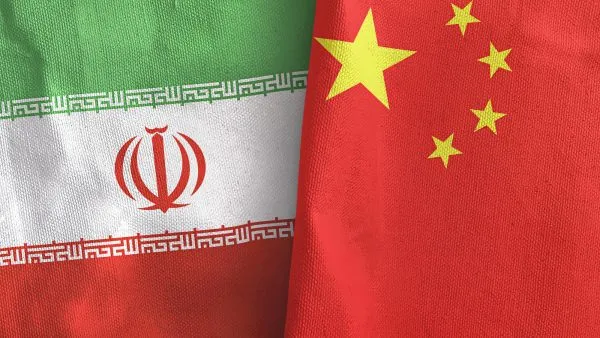
Multiple reports published in recent weeks have detailed what analysts and officials describe as substantial Chinese support for Iran, prompting renewed debate over whether Beijing has effectively become a participant in the broader conflicts in which Iran is involved, according to reporting by The Diplomat.
The reports outline a pattern of assistance that goes beyond diplomatic cover at the United Nations, pointing to material, technological, and economic support that critics argue has helped sustain Iran's military and political posture in the Middle East.
What the reports allege
The Diplomat's analysis draws on several recent investigations into the China-Iran relationship, which have grown closer since the two countries signed a 25-year cooperation agreement in 2021. That deal, covering trade, infrastructure, and security cooperation, has formed the backbone of a partnership that Western governments have long viewed with concern.
Among the areas of reported support are continued Chinese purchases of Iranian oil in defiance of Western sanctions, the provision of dual-use technology, and diplomatic shielding that has limited international pressure on Tehran. Critics contend this support has given Iran the economic breathing room to continue funding proxy networks across the region.
Beijing's position
China has consistently rejected characterizations of its relationship with Iran as destabilizing. Chinese officials have argued that their country maintains legitimate economic ties with Iran and has repeatedly called for diplomatic solutions to regional tensions. Beijing has also pushed back against what it describes as unilateral Western sanctions that it is not obligated to observe under international law.
Broader implications
The framing of China as a de facto party in regional conflicts carries significant geopolitical weight. If widely accepted among Western governments and their allies, it could intensify pressure on Beijing and complicate already strained relations with Washington and European capitals.
Analysts have noted that China faces a careful balancing act - it seeks stable energy supplies and expanding influence in the Middle East while also maintaining trade relationships with Gulf states and avoiding direct entanglement in armed conflict.
The question of where economic partnership ends and active support for a belligerent begins remains contested. The Diplomat's reporting reflects a growing body of analysis suggesting that line may have already been crossed, though Chinese officials continue to dispute that characterization.
The reports come at a sensitive moment, with ongoing tensions involving Iran-linked groups across the Middle East keeping international attention focused on Tehran's external relationships and the sources of its continued resilience under sanctions pressure.