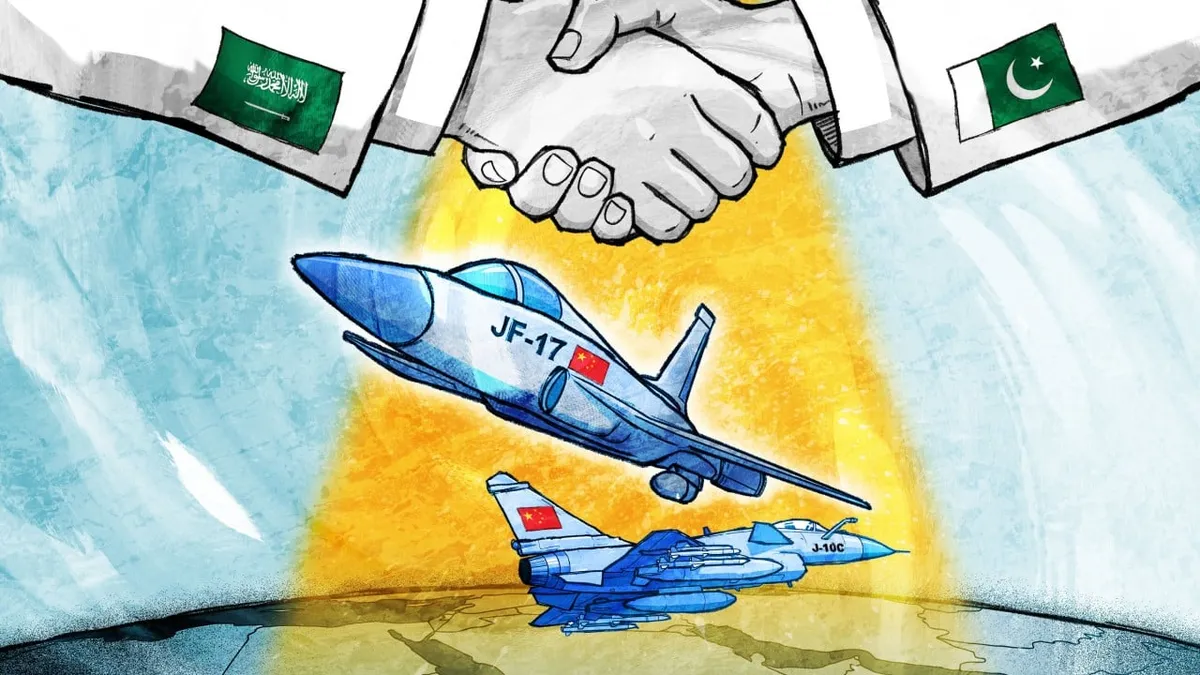
For centuries, arms dealers have known one uncomfortable truth: nothing sells guns like a good war. But what if you could get all the combat data without any of the messy geopolitical baggage? According to a South China Morning Post analysis, that may be exactly the opportunity quietly taking shape for China's defence industry.
The problem with being cautious (and very well-armed)
The People's Liberation Army has spent decades building up an increasingly impressive weapons arsenal - advanced fighter jets, missiles, drones, naval systems - while simultaneously doing something almost unprecedented for a major military power: almost never actually using any of it in combat. Beijing has been extraordinarily careful to avoid armed conflict, which is great for diplomacy but genuinely terrible if you're trying to convince export customers that your hardware works under fire.
Western arms manufacturers enjoy a significant marketing advantage here. American F-35s, British missiles, and Israeli drones all come with the grim but commercially useful endorsement of having killed real people in real conflicts. Chinese arms, for the most part, have not had that dubious honour - until now, potentially.
Enter Pakistan, Saudi Arabia, and some very convenient timing
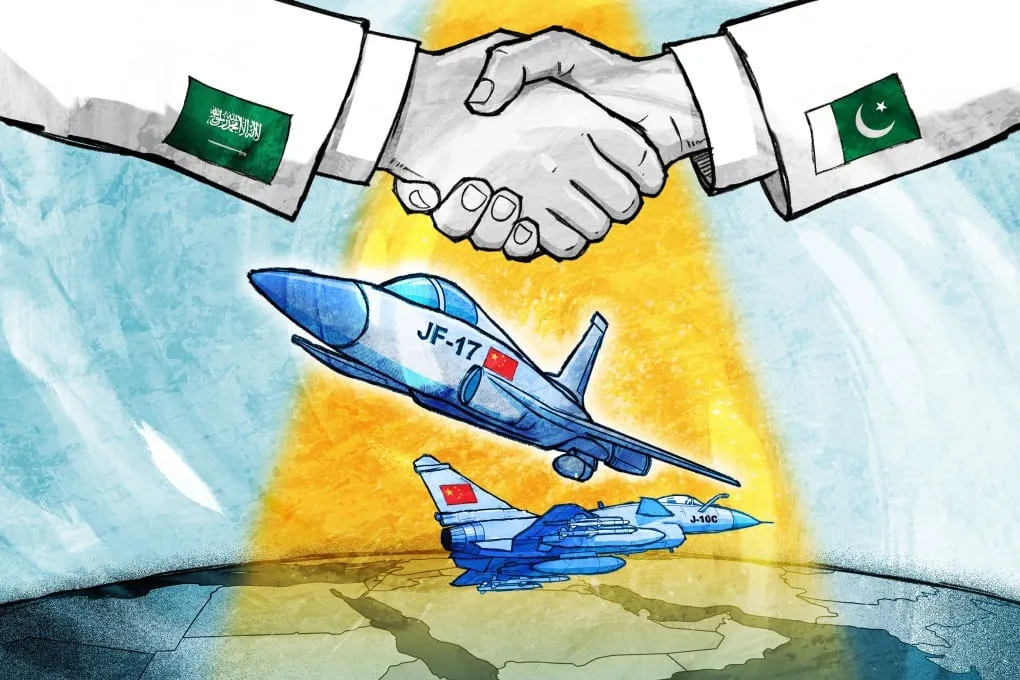
Pakistan, one of China's most consistent defence customers, has recently entered a new defence cooperation pact with Saudi Arabia. This is where it gets interesting. With tensions around Iran continuing to simmer, the region is looking increasingly like it could become a live testing ground - and Pakistan operates a significant quantity of Chinese-made military equipment.
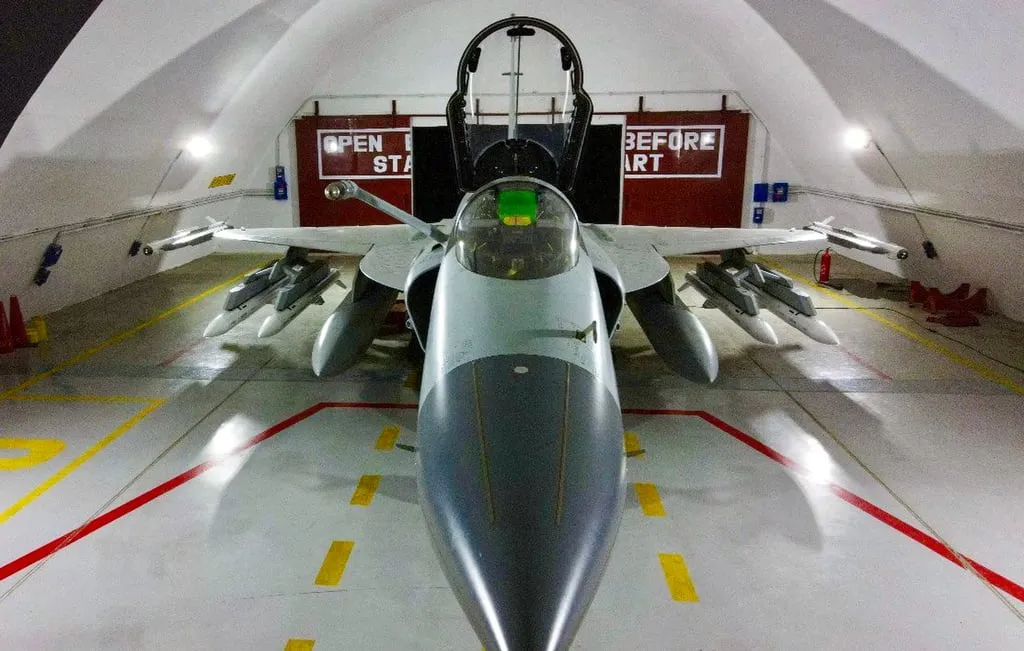
The scenario sketched out by analysts is almost elegant in its indirectness: if Pakistani hardware ends up in a conflict environment linked to the Saudi-Iran fault line, Chinese weapons manufacturers get something priceless - verified combat performance data - without a single PLA soldier crossing a border.
Why this matters beyond the region
This isn't just a Middle Eastern story. China has been aggressively expanding its arms export market across Africa, Southeast Asia, and Latin America. The persistent knock on Chinese hardware from potential buyers has always been the lack of a proven combat record. A successful real-world performance, even via a proxy operator like Pakistan, could meaningfully shift purchasing decisions globally.
It's the defence industry equivalent of a software company getting a massive client to beta test their product - except the bugs have very different consequences.
Whether this scenario actually unfolds depends on how regional tensions develop. But as the South China Morning Post notes, the Iran situation may represent a turning point for the PLA's weapons getting their first serious report card - written in someone else's conflict zone.