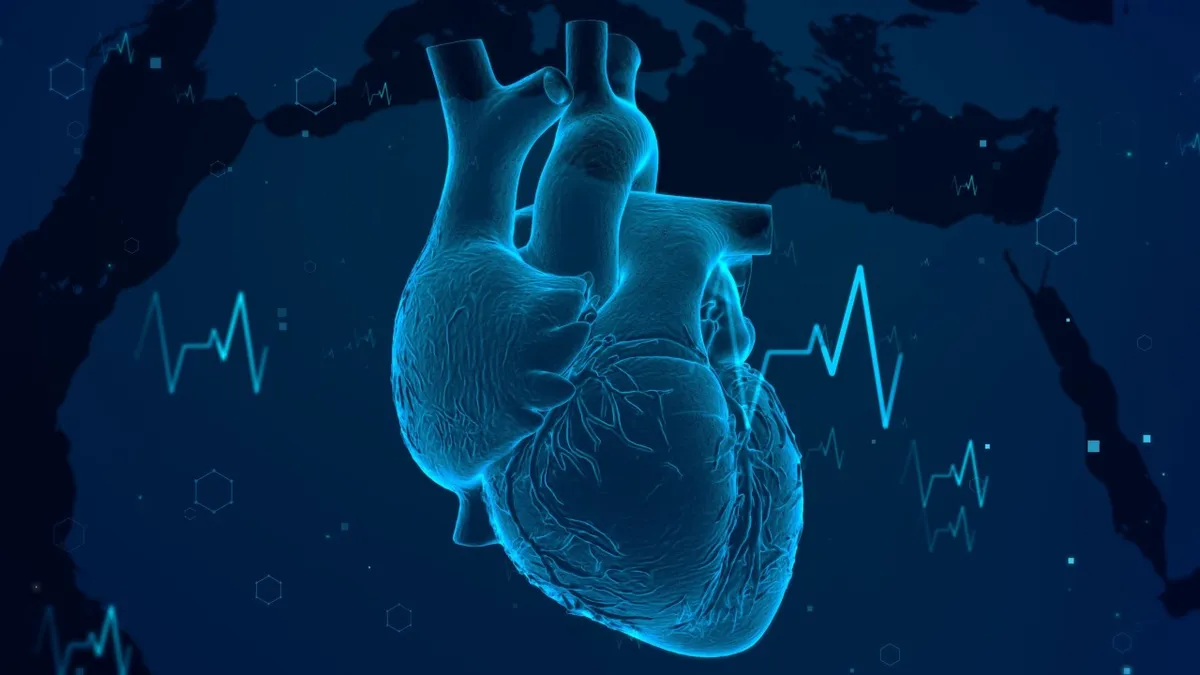
In what reads like a plot twist from a medical thriller, scientists in Shanghai have reportedly created the world's first laboratory-grown sinoatrial node - the small but mighty structure that tells your heart when to beat. According to the South China Morning Post, researchers used stem cells to build this so-called "master conductor" of the heart, and yes, it actually pulses on its own.
So what even is a sinoatrial node?
If your heart were an orchestra, the sinoatrial (SA) node would be the conductor waving the baton. Nestled inside the right atrial chamber, this tiny cluster of cells generates the electrical signals that keep your heart beating in a steady, rhythmic pattern - roughly 60 to 100 times per minute, every single day, without you ever thinking about it. When this node malfunctions, the result is often arrhythmia, and the current fix is a surgically implanted electronic pacemaker.
The new organoid - essentially a miniature organ grown in a lab - is capable of beating autonomously, which is the scientific equivalent of teaching a LEGO brick to conduct a symphony.
Why this is a genuinely big deal
Researchers say the breakthrough could transform two major areas: cardiac disease research and drug screening. Right now, testing how new heart medications interact with the SA node is notoriously difficult because, well, you cannot exactly biopsy someone's pacemaker cells on a whim. A lab-grown version that behaves like the real thing would let scientists study arrhythmias and test treatments in ways that were previously impossible.
Longer term, the researchers suggest this technology could one day offer a biological alternative to electronic pacemakers - a living, self-regulating replacement rather than a battery-powered device that needs to be surgically swapped out every decade or so.
The fine print
As exciting as this is, it is worth pumping the brakes slightly. Lab-grown organoids, however impressive, are still a long way from being implantable in human patients. The gap between "works in a dish" and "works in a chest" is where many promising breakthroughs quietly retire. Still, the scientific community tends to get pretty animated about firsts, and a self-beating SA node organoid is unambiguously a first.
The research comes out of Shanghai and was reported by the South China Morning Post. Further peer-reviewed details are expected to shed more light on the methodology and what the next steps look like.
For now, your current pacemaker - biological or electronic - can relax. But maybe not for much longer.