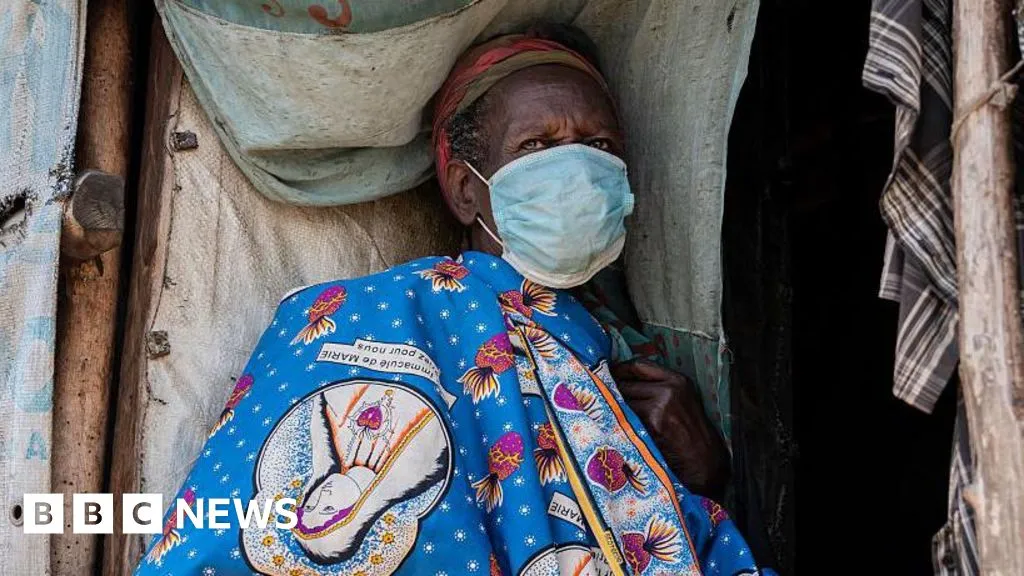
Humanity has officially entered the chat in the fight against the latest Ebola outbreak. The World Health Organization confirmed on Thursday that a treatment trial for the Bundibugyo strain of Ebola virus has enrolled its very first patient in the Democratic Republic of Congo - a milestone that scientists and public health officials have been working toward since the current epidemic began.
WHO Director-General Dr. Tedros Adhanom Ghebreyesus broke the news to reporters, calling it a significant step in the broader response to the outbreak. The announcement was reported by France24.

Why this matters more than you think
For anyone tempted to scroll past this story - don't. Bundibugyo is one of the rarer, nastier variants of the Ebola virus family, and historically, treatment options for it have been somewhere between "limited" and "pray really hard." Enrolling the first patient in a formal treatment trial means researchers now have a structured, scientific framework to test whether specific interventions actually work against this particular strain.
It also signals that the outbreak, while still active and dangerous, has reached a stage where clinical research infrastructure is functional enough to run trials. That is not a small thing in a conflict-affected country like the DRC, where healthcare logistics can be, to put it diplomatically, a complete nightmare.

What we know and what we don't
What is confirmed: the trial has started, the first patient is enrolled, and the WHO is actively overseeing the process. What remains unclear at this stage - including which specific therapeutic candidates are being tested and the full trial design - has not been detailed in the information available from the WHO briefing.
The DRC has unfortunately had more experience with Ebola outbreaks than virtually any other country on Earth, which means it also has some of the most seasoned responders. Previous outbreaks, particularly the devastating 2018-2020 North Kivu epidemic, helped fast-track the development and approval of the rVSV-ZEBOV vaccine (branded as Ervebo) for the more common Zaire strain. Bundibugyo, however, is a different beast, and dedicated treatment research for it has lagged behind.

The bigger picture
Getting a treatment trial off the ground during an active outbreak is genuinely difficult. It requires ethics approvals, supply chains, trained staff, community trust, and patients willing to participate under extraordinarily stressful circumstances. The fact that it is now running is a testament to the coordinated effort between the DRC government, WHO, and various humanitarian partners on the ground.
Nobody is popping champagne just yet - a trial beginning is not the same as a treatment working. But in the grim arithmetic of hemorrhagic fever outbreaks, this is a genuinely good day.