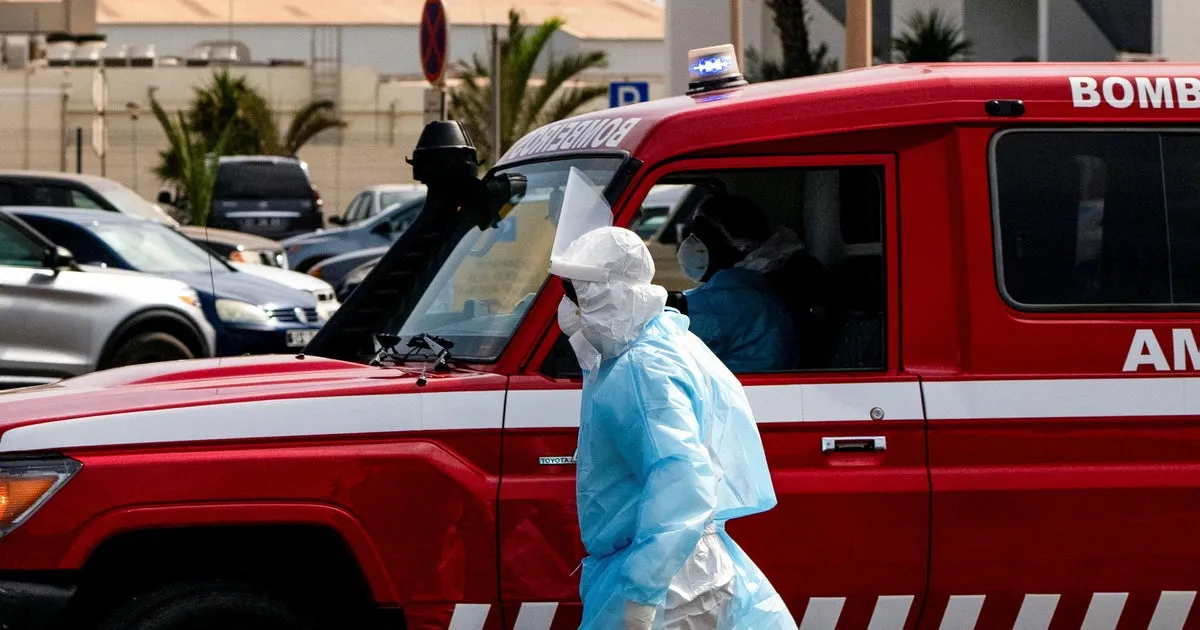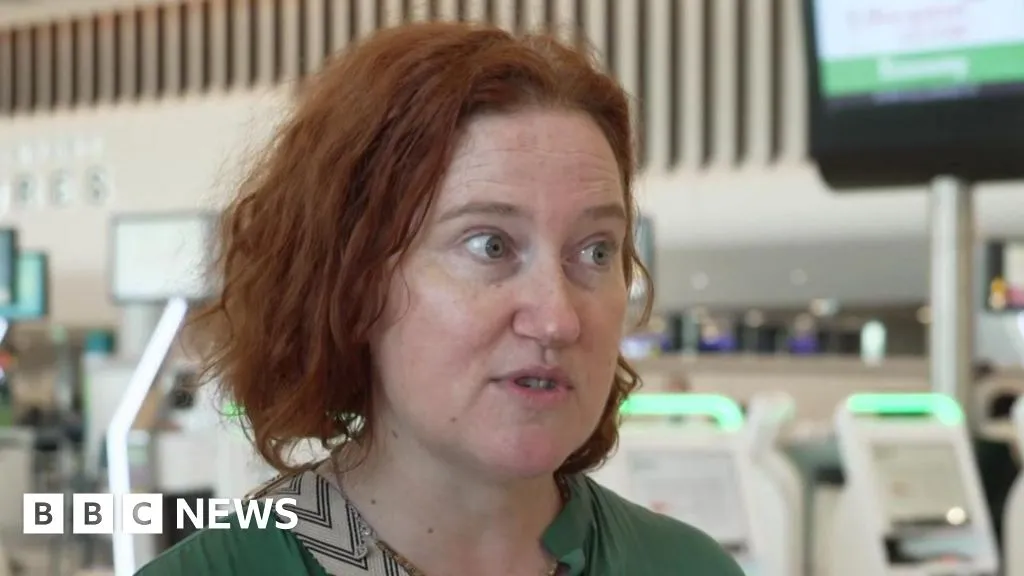
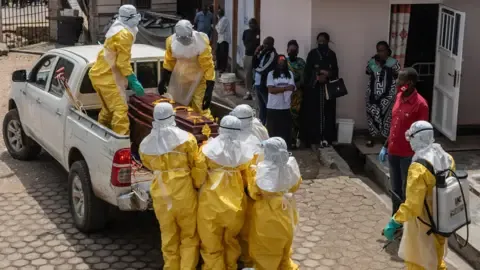
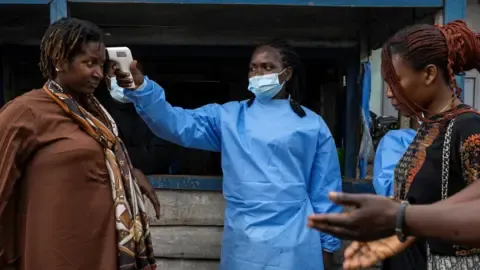
If you were hoping for some good news today, maybe go water a plant or something, because this one is not it. An active Ebola outbreak in the Democratic Republic of Congo is already a nightmare scenario on paper, but a nurse working there is now warning that the logistical challenges of fighting it are just as terrifying as the virus itself.
Kate White, speaking to the BBC, said she is "extremely concerned about the inability to get resources" to affected areas in the DRC. That is nurse-speak for: we are dealing with one of the deadliest viruses on the planet, and the supply chain to fight it is held together with duct tape and prayers.
Why this is harder than it sounds
The DRC is not exactly a place where you can just order medical supplies on next-day delivery. The country is massive - roughly the size of Western Europe - and large parts of it are accessible only by small aircraft or river boats. Add to that ongoing armed conflict in several regions, crumbling infrastructure, and communities that have legitimate historical reasons to distrust outside medical intervention, and you have a situation that would make even the most seasoned public health professional reach for a stress ball.
Ebola has hit the DRC more times than any country on Earth. The country has seen over a dozen outbreaks since the virus was first identified near the Ebola River in 1976. Responders have gotten better at containing it, but "better" is a relative term when you are talking about a disease with a fatality rate that can exceed 50 percent in some outbreaks.
The resource gap problem
White's warning about resources is not just about medicine and equipment. It covers everything from trained personnel to protective gear, communication tools, and the infrastructure needed to even reach patients. According to the BBC's reporting, her concern centers specifically on the difficulty of physically getting what is needed to where it is needed - a logistical wall that keeps saving lives just out of reach.
Global health organizations have been stretched thin in recent years, with funding and attention pulled in many directions. Whether the international community will mobilize quickly enough to close the gap is the question nobody wants to answer out loud.
For now, nurses like Kate White are doing what they always do - showing up, warning loudly, and hoping someone with a budget and a satellite phone is paying attention.
Source: BBC News