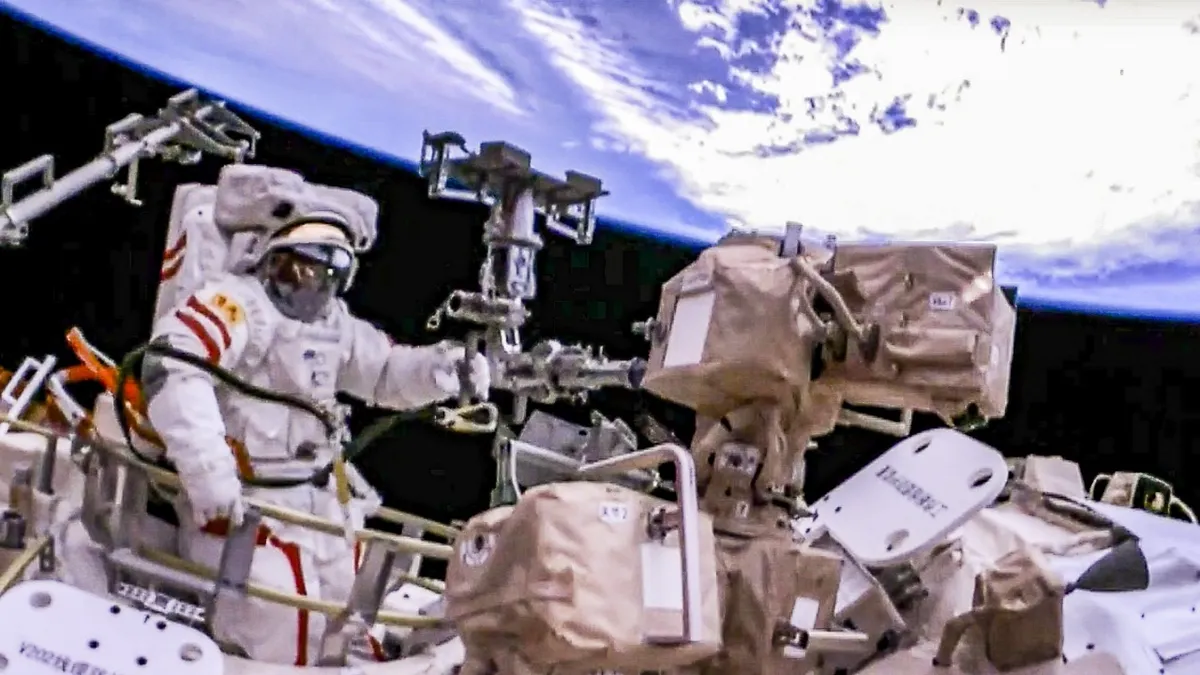
NASA once had a genuinely wild idea: a spider-like robot crawling through orbit, spinning giant solar power stations and enormous antennas out of carbon fibre spools - basically a cosmic Charlotte's Web, except instead of saving a pig, it was supposed to save humanity's energy problems. They called it SpiderFab, and it never actually made it to space.
Now, according to the South China Morning Post, researchers from the Shenyang Institute of Automation in northern China are claiming they have done what NASA funded but never finished - building the core technologies needed to make this orbital weaving fantasy a reality.
Why build in space at all?
The whole premise of SpiderFab, and now the Chinese equivalent, is rooted in a fairly obvious but maddeningly difficult engineering problem: rockets have size limits. If you want a solar power station or a communications antenna large enough to be genuinely useful in orbit, you simply cannot fold it small enough to fit inside any existing launch vehicle. The solution - have a robot build it up there - sounds elegant in theory and has been an engineering nightmare in practice.
The Shenyang team reportedly tackled this by first engineering the building blocks themselves, shaping carbon-fibre composite materials into structural components suited for assembly in the vacuum and temperature extremes of space. Carbon fibre is the material of choice here because it is light, incredibly strong, and does not throw a tantrum when temperatures swing from scorching sunlight to deep shadow in minutes.
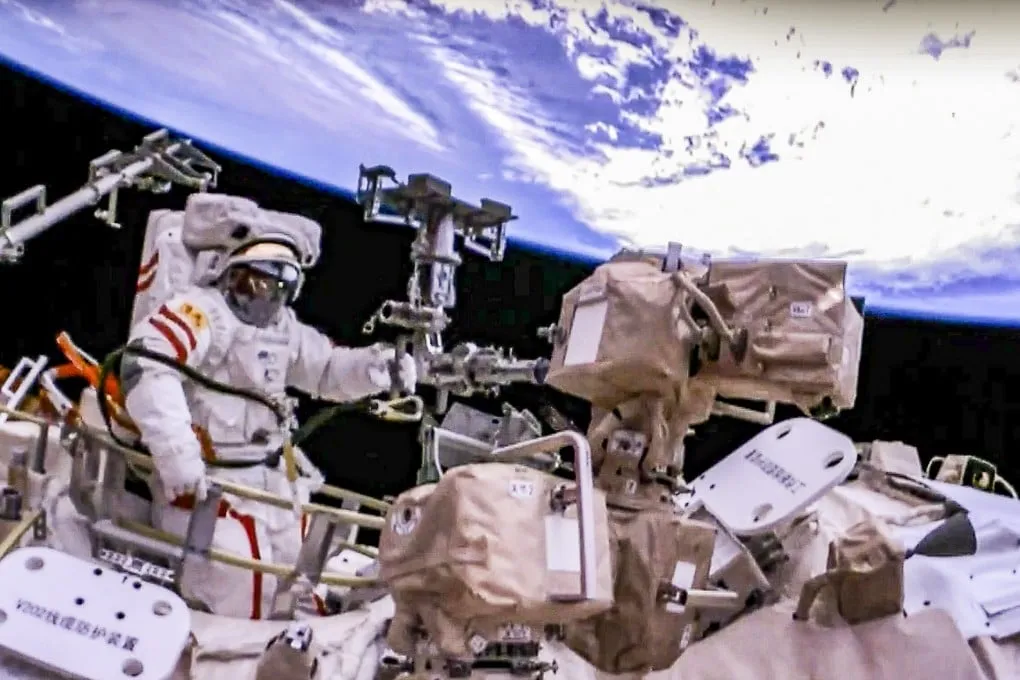
What this could actually mean
If the claimed breakthroughs hold up to scrutiny, the implications are significant. In-orbit construction could unlock solar power satellites that beam energy back to Earth - a concept that has been theoretically attractive for decades but practically out of reach due to the sheer scale required. It could also mean communications infrastructure and scientific instruments of a size and sensitivity currently impossible to launch in one piece.
China has been aggressively investing in space-based solar power research alongside its broader space programme ambitions, so this development fits a clear strategic pattern rather than appearing out of nowhere.
The NASA ghost in the machine
There is an obvious irony in a Chinese government research institute potentially bringing a NASA-conceived vision to life. SpiderFab was funded through NASA's Innovative Advanced Concepts programme, which is essentially NASA's department for backing ideas that sound like science fiction. The concept got funding, got studied, and then quietly did not get built.
Whether the Shenyang team's claims represent a genuine engineering milestone or optimistic pre-publication headlines remains to be seen - peer review and actual orbital demonstration are very different things. But on paper at least, the space spider dream appears to have found new legs.