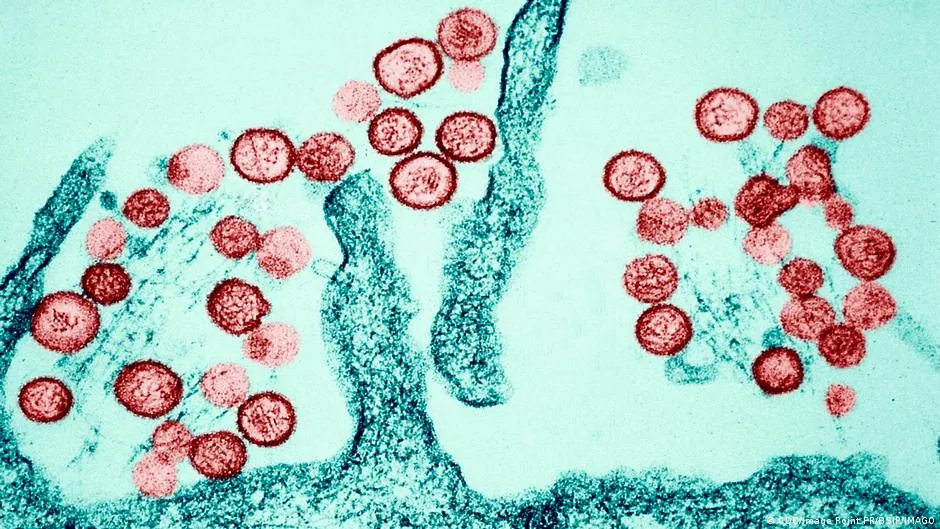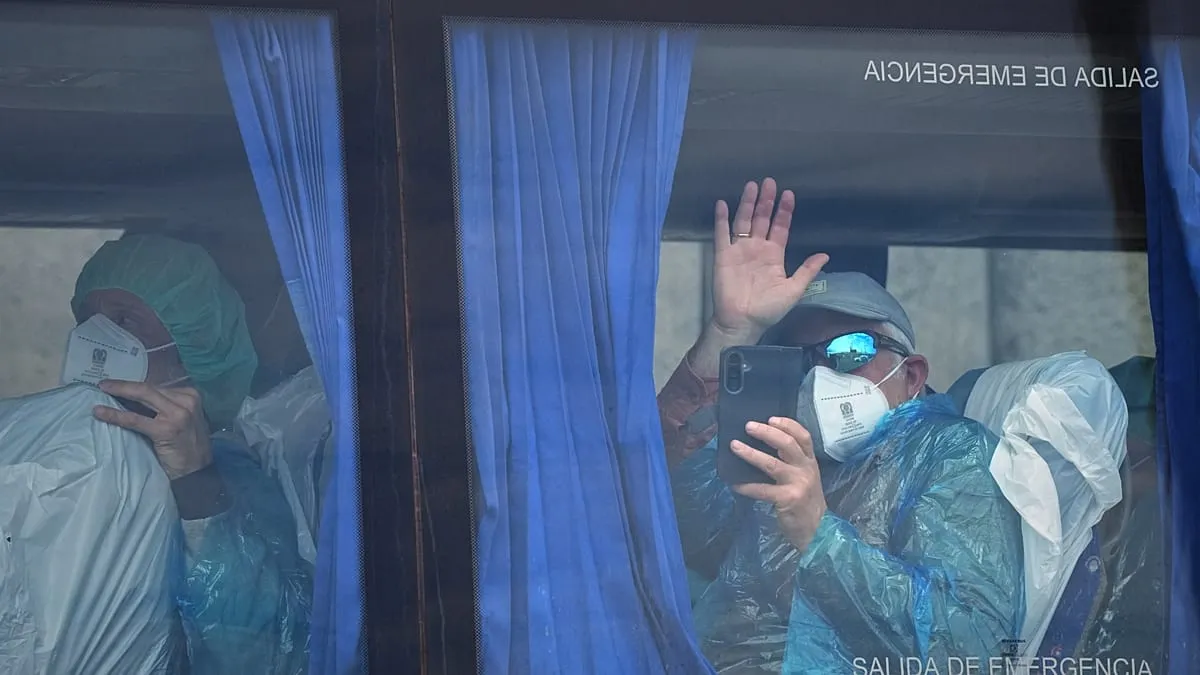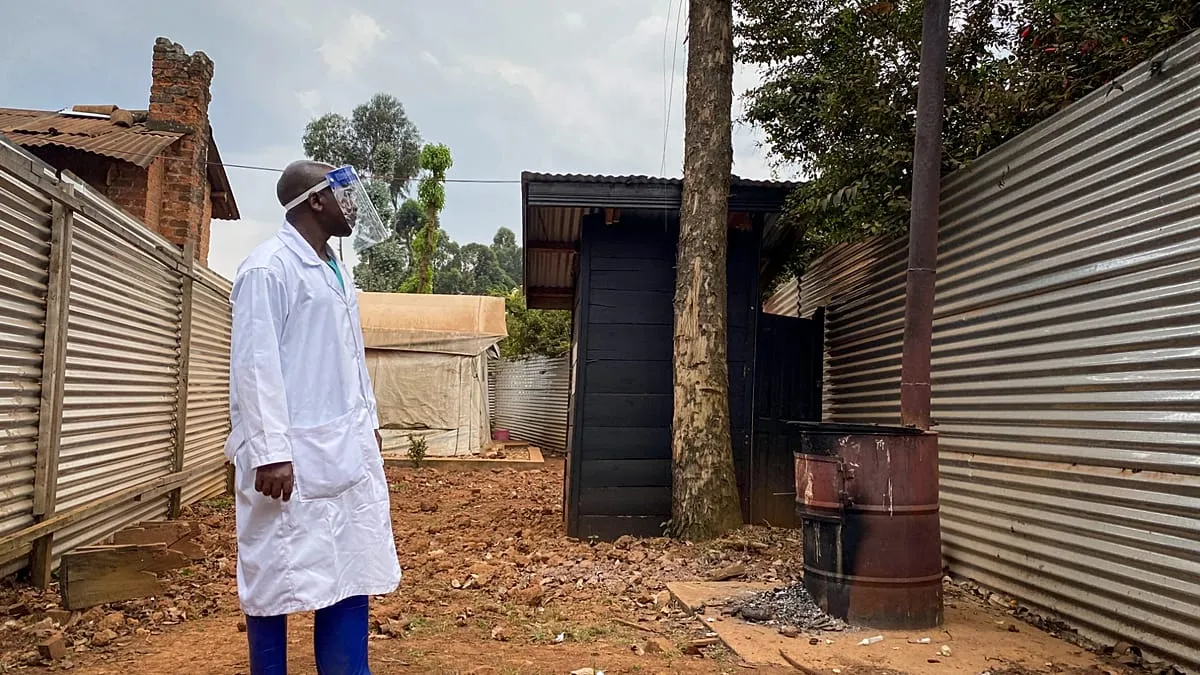
Just when you thought 2026 had enough going on, the Democratic Republic of Congo is dealing with a fresh Ebola outbreak that has already claimed 65 lives and racked up 246 suspected cases, according to reporting by Euronews.
What we know so far
The figures, as reported by Euronews on May 15, paint a worrying picture. With 65 confirmed deaths and nearly 250 people suspected of having contracted the virus, health authorities are scrambling to contain what could become a serious regional crisis. Ebola, for the uninitiated, is one of those diseases that makes epidemiologists lose sleep - it spreads through direct contact with bodily fluids from infected individuals and has a historically high fatality rate.
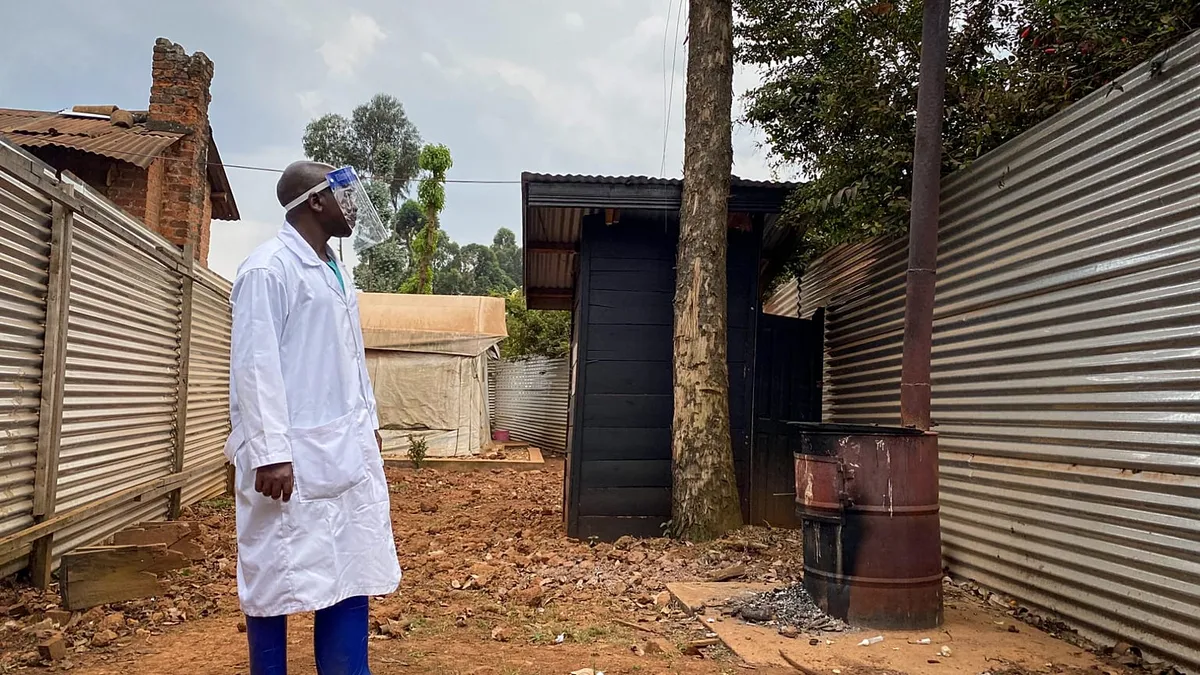
Congo is unfortunately no stranger to this particular nightmare. The country has been ground zero for multiple Ebola outbreaks over the decades, including a devastating 2018-2020 outbreak in the northeast that killed over 2,200 people and became the second-largest Ebola epidemic in history. The DRC has more Ebola outbreak experience than any country on Earth - which is both reassuring (they know the drill) and deeply tragic (they really shouldn't have to).
Why this matters beyond Congo's borders
Here's where the nerdy public health stuff gets important. Ebola outbreaks in the DRC tend to occur in remote, conflict-affected areas where healthcare infrastructure is stretched thin and community trust in medical authorities can be complicated. That combination makes containment a logistical puzzle wrapped in a humanitarian crisis.

The good news - and there is some - is that an Ebola vaccine exists and has been deployed in previous DRC outbreaks with measurable success. Authorities and international health organizations like the WHO typically activate rapid response protocols the moment an outbreak is confirmed, meaning the global cavalry is likely already being mobilized.
The numbers game
With 246 suspected cases and 65 deaths, the current case fatality rate among suspected cases sits around 26%, though that figure will shift significantly as more cases are confirmed or ruled out through testing. It's worth noting that "suspected cases" is a broad category in outbreak investigations - not all will be confirmed as Ebola.

Health organizations and the Congolese government have not yet released full details on the outbreak's geographic epicenter or its current containment status as of the time of reporting.
The situation remains fluid. Keep your eyes on this one - Euronews is tracking developments as they emerge.