Nothing says "bon voyage" quite like a hantavirus outbreak. Three passengers aboard the M/V cruise ship - a Dutch couple and a German national - have been infected with hantavirus as the vessel makes its way toward Europe, prompting just enough alarm to get the CDC to come out and do its whole "everyone stay calm" thing.
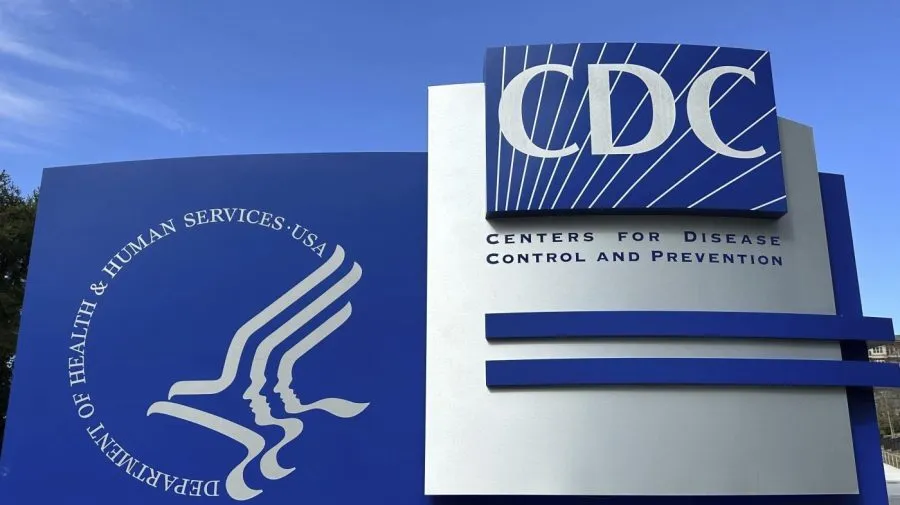
Dr. Jay Bhattacharya, the acting director of the Centers for Disease Control and Prevention, stepped up to the podium on Wednesday to reassure the American public that the risk of hantavirus reaching U.S. shores from this incident is "very low." According to reporting by The Hill, Bhattacharya delivered the assessment as news of the cruise ship outbreak began to circulate and trigger the kind of collective anxiety that only a disease with a spooky name can produce.
So what even is hantavirus?
For the uninitiated, hantavirus is not your garden-variety cruise ship stomach bug. It is a serious - and in some cases fatal - respiratory illness typically transmitted through contact with infected rodents or their droppings. It is not commonly passed between humans, which is the key reason the CDC is not currently issuing "burn everything down" advisories.
That human-to-human transmission barrier is essentially the thing standing between this story being a mildly concerning health notice and a full-blown Hollywood disaster script. So far, it appears to be holding.
Three sick, one ship, a lot of nervous googling
The three confirmed cases - all European nationals - were identified aboard the cruise ship while it was en route to Europe. Details on exactly how they were exposed remain part of ongoing investigations, but given the nature of hantavirus transmission, rodent contact aboard or prior to boarding is the leading hypothesis health authorities would be looking at.
The CDC has not indicated that any American passengers are among those affected, and Bhattacharya's statement was largely aimed at tamping down any fears that this constitutes a public health emergency for people stateside.
The bottom line
Hantavirus is genuinely dangerous if you encounter it - particularly in its pulmonary form, which carries a significant mortality rate. But the CDC's position, as reported by The Hill, is clear: this outbreak does not currently represent a meaningful threat to the general American public. The disease does not spread easily between people, and the affected individuals are in Europe-bound waters.
So unless you recently hugged a rodent in an enclosed maritime environment, you are probably fine. Probably.