If you thought 2025 needed one more nightmare fuel storyline, congratulations - the New World screwworm has officially re-entered the chat. According to reporting by The Independent, this grotesque parasite - which, to be absolutely clear, literally eats living flesh from the inside out - has been detected in Texas for the first time in decades.
Agriculture Secretary Brooke Rollins confirmed the case involved a three-week-old calf in LaPryor, Texas, a small town sitting roughly 50 miles north of the Mexico border. The discovery has set off alarm bells across the agricultural sector, which has very good historical reasons to be terrified of this particular critter.
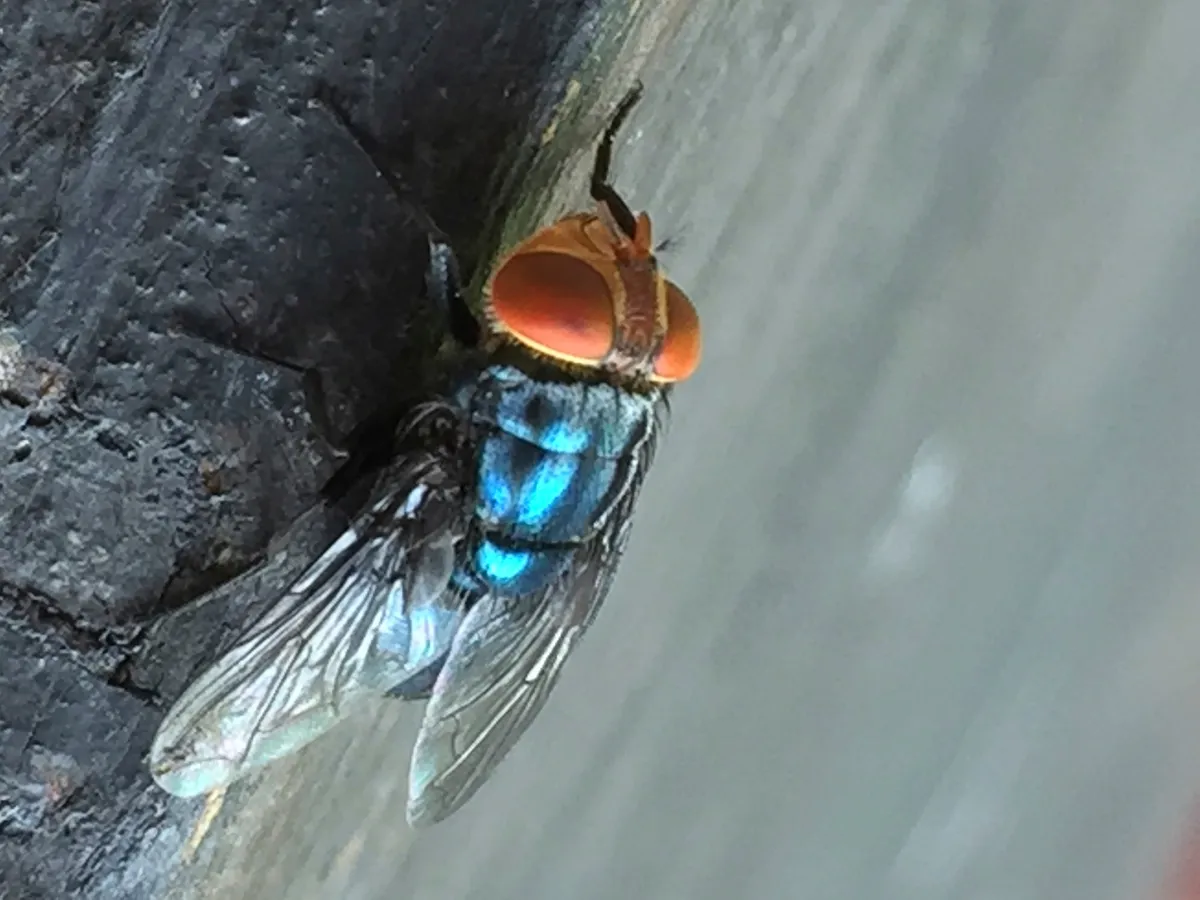
So what exactly IS the screwworm?
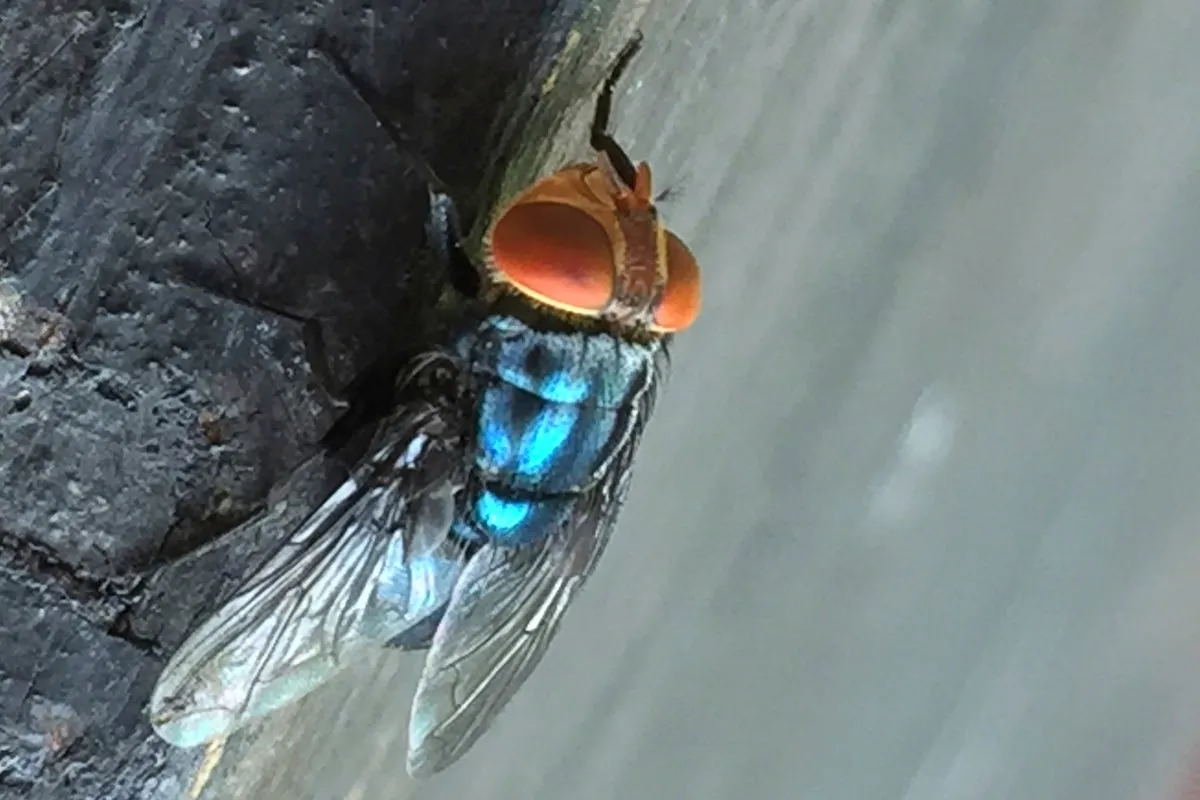
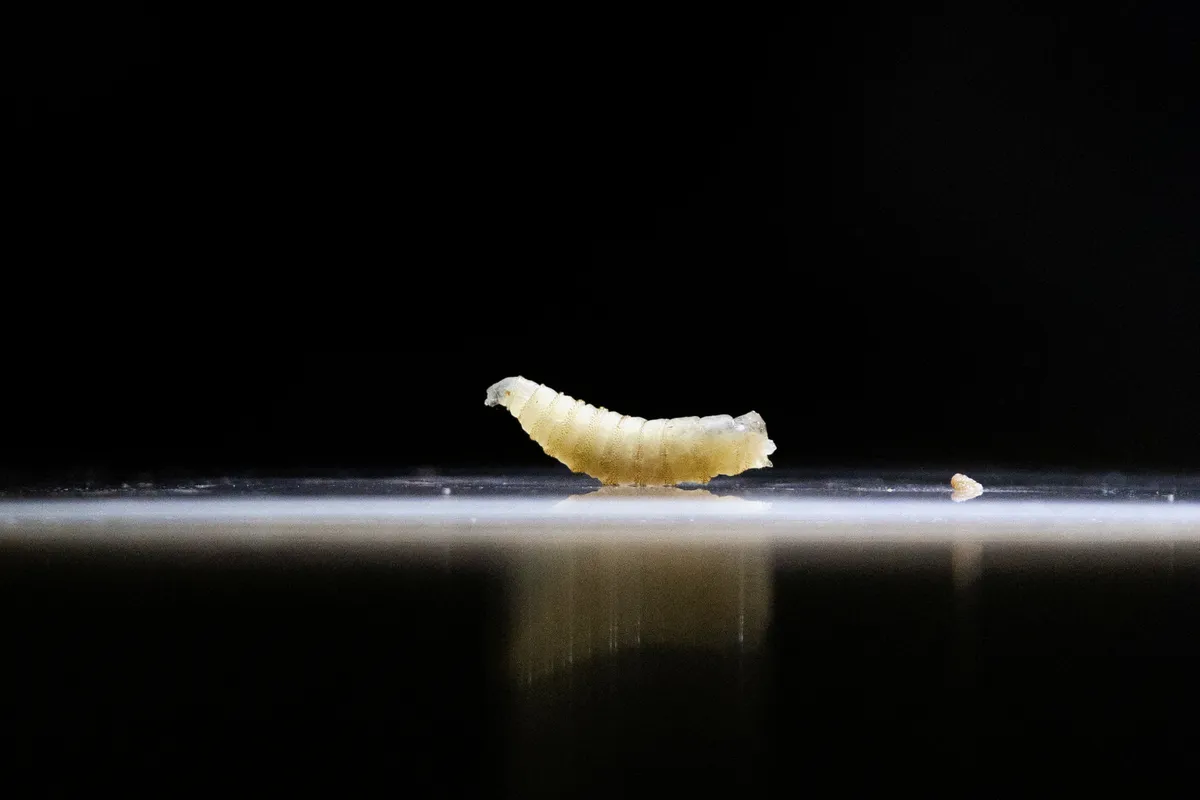
The New World screwworm (Cochliomyia hominivorax, for the Latin nerds in the room) is a parasitic fly whose larvae burrow into the open wounds of warm-blooded animals - and yes, that includes humans - and proceed to feed on living tissue. They don't wait for you to be dead. That's the whole horrifying point. The name comes from the corkscrew-like motion the larvae use as they drill deeper into flesh.
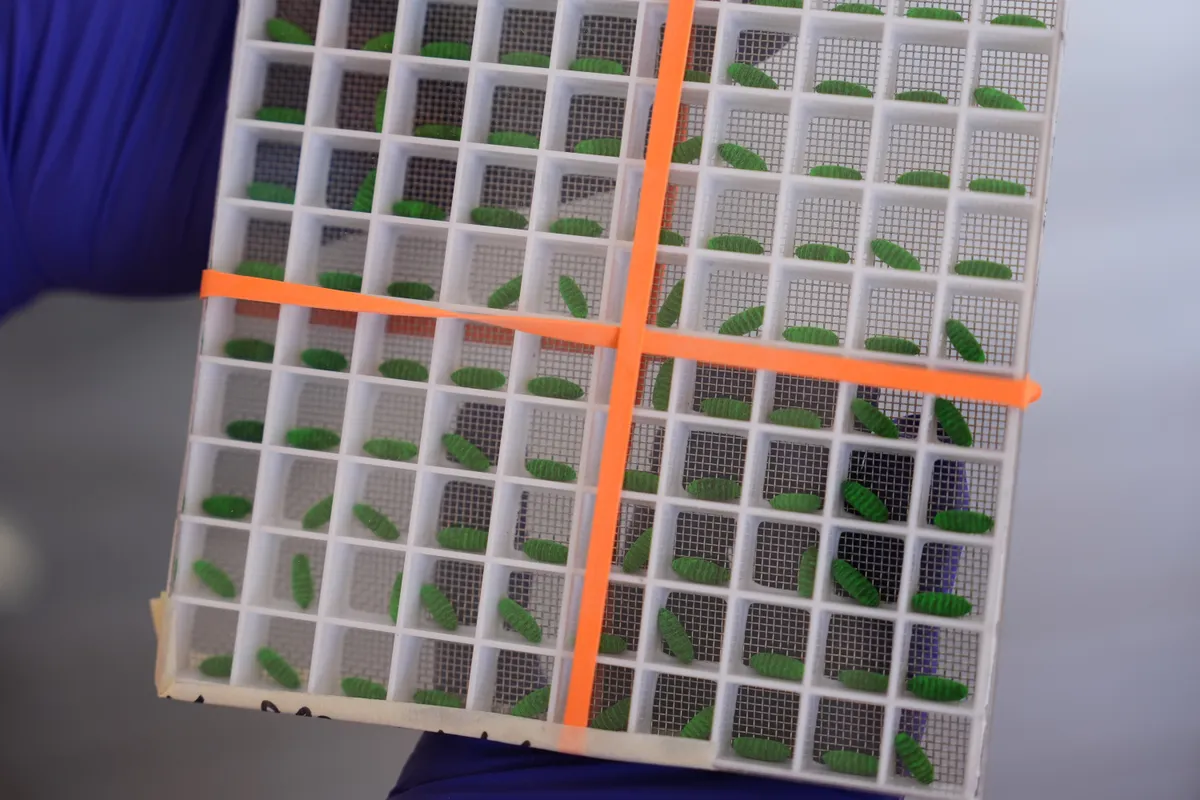
The United States actually declared victory over this parasite decades ago through an extraordinary eradication program that involved releasing hundreds of millions of sterile male flies into the wild - essentially tricking the population out of existence. It was one of the most successful pest eradication campaigns in American history, which makes its reappearance all the more unsettling.
How worried should we actually be?
The proximity to the Mexican border is significant. Screwworm populations have persisted in parts of Central and South America, and there have been ongoing concerns about northward movement through livestock trade and animal migration. A single confirmed case in a young calf this close to the border suggests the eradication buffer zone may be under pressure.
For livestock farmers in particular, this is not a drill. Screwworm infestations can kill animals rapidly if untreated, and an established population in the U.S. could cause billions of dollars in agricultural damage - a fact that the industry learned the hard way before the original eradication effort.
Authorities are expected to ramp up surveillance in the region. For now, the case appears isolated, but given that it took just one calf to set off federal-level alarms, it is safe to say nobody in the USDA is sleeping particularly well this week.