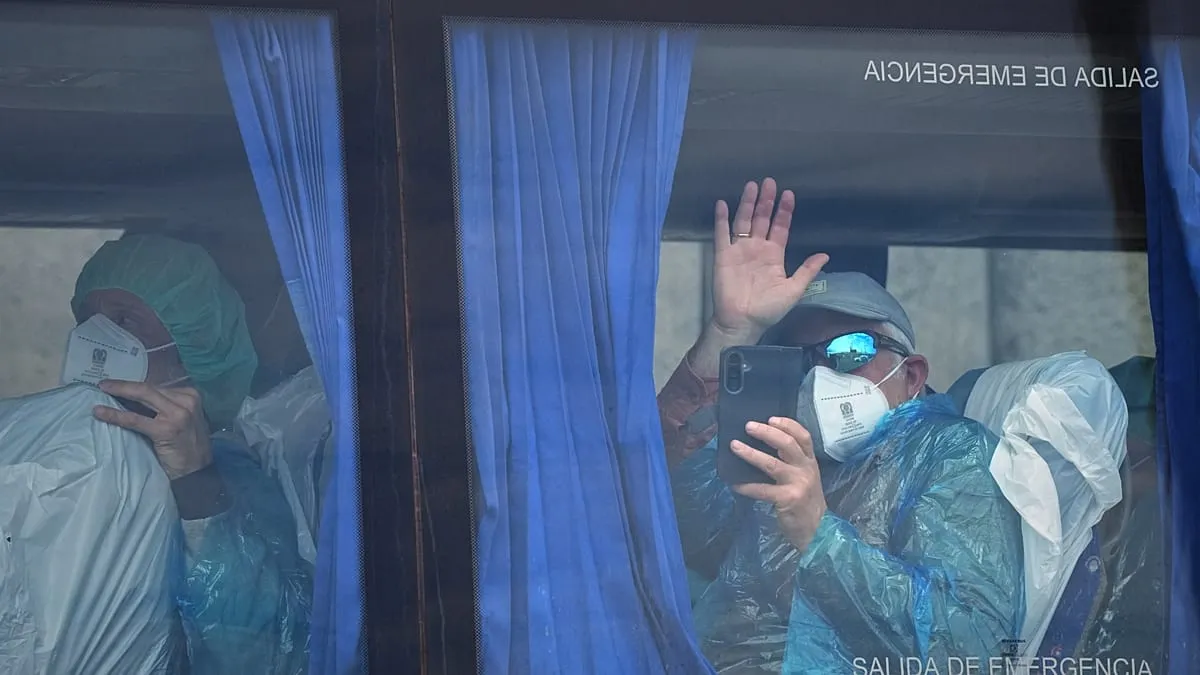
You know that thing where you think a problem is wrapped up, and then it absolutely is not? That is the story of the MV Hondius, a cruise ship that has now been linked to 12 confirmed hantavirus infections, according to the World Health Organization.
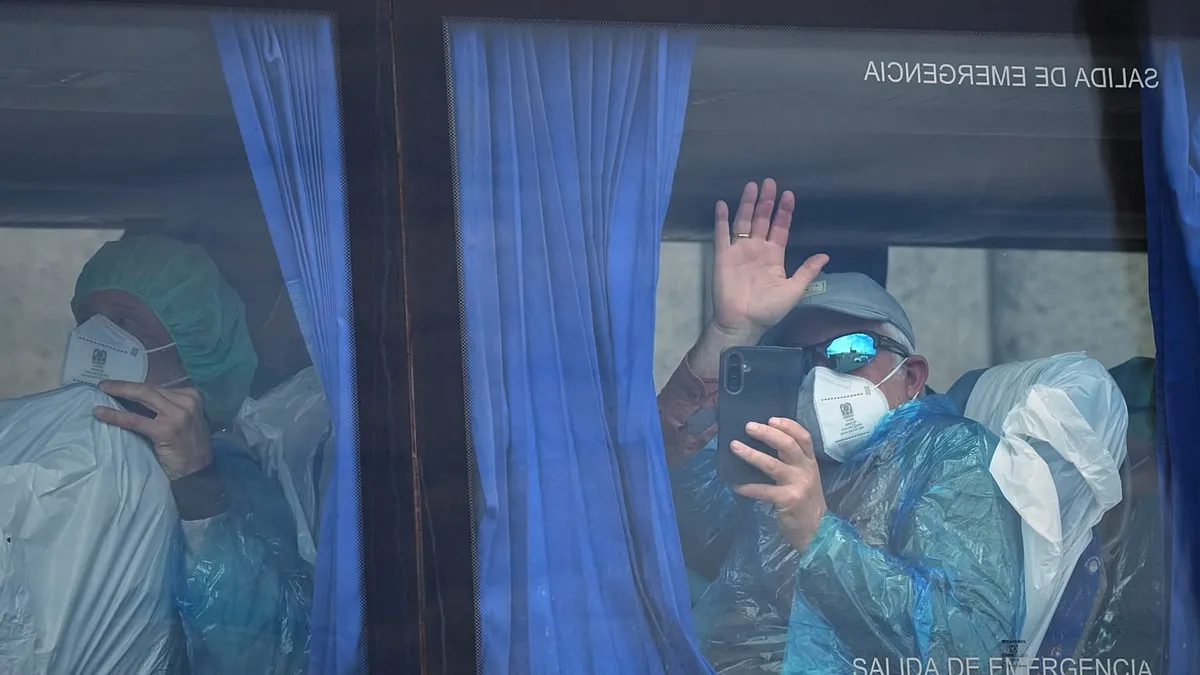
The latest case, confirmed by the WHO and reported by Euronews, involves a crew member who disembarked the vessel in Tenerife and was subsequently repatriated to the Netherlands. That person has now tested positive for hantavirus, nudging the total case count up to a dozen and keeping this particular maritime mystery very much alive.
What even is hantavirus?
Hantavirus is not your garden-variety cruise ship illness. Unlike the norovirus situations that plague cruise ships with clockwork regularity, hantavirus is typically transmitted through contact with infected rodents - their urine, droppings, or saliva. It is not known for spreading person-to-person, which makes a cluster of 12 cases on a single vessel a genuinely puzzling situation for public health investigators.
Symptoms can range from mild flu-like illness to serious respiratory complications, depending on the strain involved. It is the kind of virus that makes epidemiologists sit up very straight and start asking pointed questions about rodent control procedures.

A ship, a cluster, and a lot of unanswered questions
The MV Hondius has now become something of a floating case study in hantavirus transmission. With cases appearing among crew members who have since scattered to different countries, health authorities face the classic challenge of tracking infections across borders while piecing together exactly how exposure occurred on board.
The Tenerife connection adds another geographic data point to what is shaping up to be a multinational public health investigation. WHO is actively monitoring the situation, and the confirmation of this 12th case suggests the outbreak clock is still ticking.

Should you panic about cruises?
Probably not. Hantavirus outbreaks linked to cruise ships are extraordinarily rare - this cluster is notable precisely because it is so unusual. But if you happen to be a crew member on the MV Hondius wondering why your employer keeps making headlines, maybe take the onboard rodent situation more seriously than previously suggested.
Health authorities are continuing to investigate the source of the outbreak. The WHO has not yet publicly detailed the specific strain involved or confirmed the precise exposure route, meaning this story still has chapters left to write.