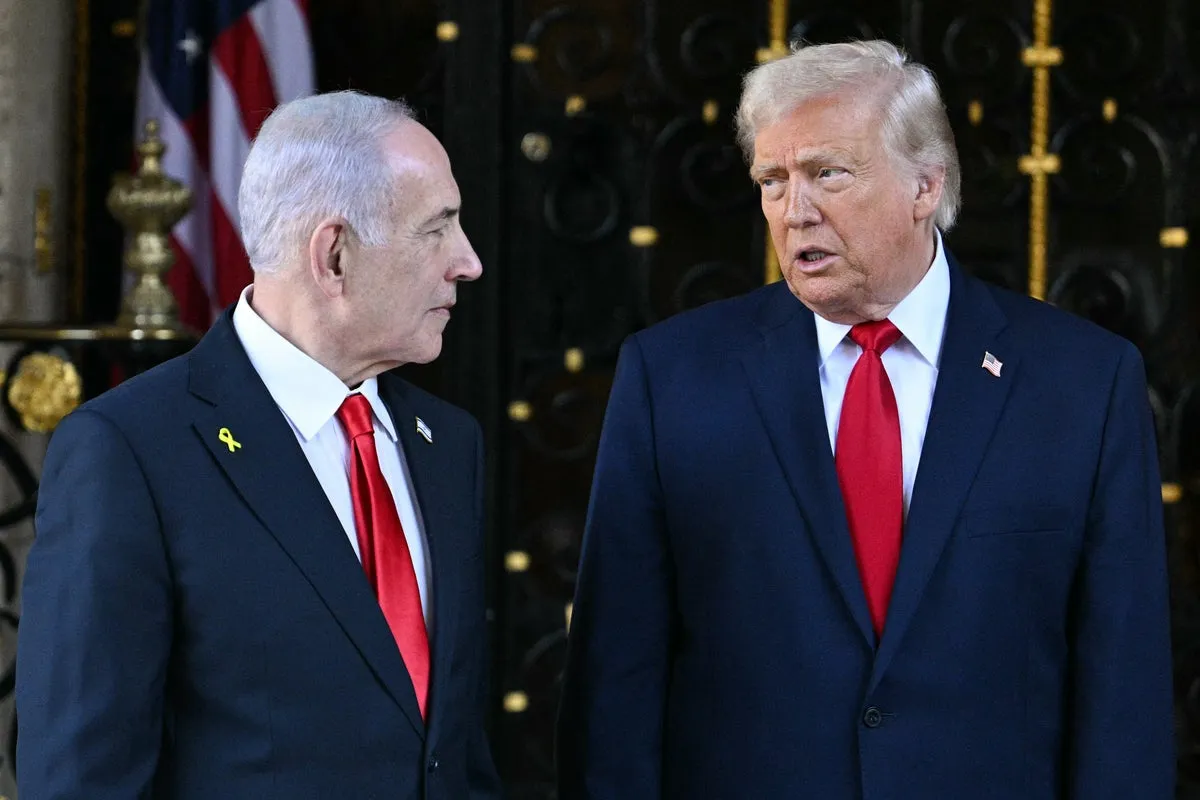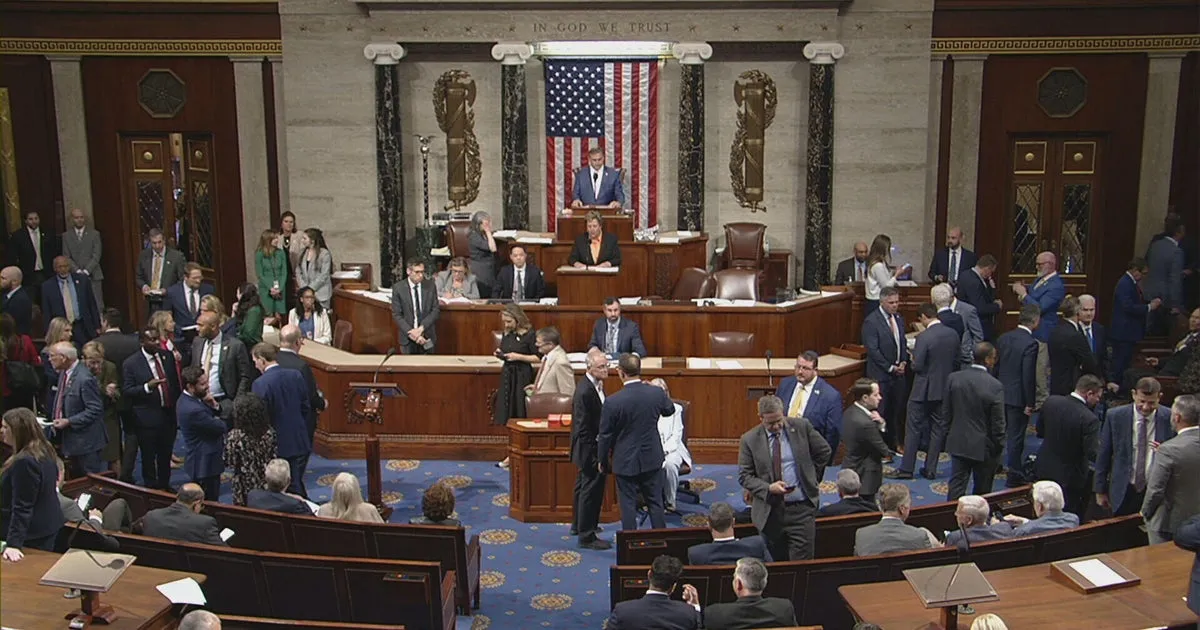
If at first you don't succeed, try, try again - and then fail a third time with a result so perfectly symmetrical it almost feels like a cosmic joke. The House of Representatives voted 212-212 on a Democratic resolution that would have reined in President Trump's authority to launch military strikes against Iran, according to CBS News.
Yes, you read that right. Two hundred and twelve. Two hundred and twelve. The kind of tie that doesn't just lose - it loses with flair.
Third time is decidedly not the charm
This was the third attempt by House Democrats to pass a war powers resolution limiting executive authority over potential military action against Iran. A simple majority is required to pass, meaning the resolution needed at least 213 votes to advance. It got exactly one vote fewer than that, in what is either a stunning display of political dysfunction or the universe's way of telling Congress to take up a hobby.
War powers resolutions are rooted in the War Powers Resolution Act of 1973, which was passed after Vietnam specifically to check the president's ability to commit U.S. forces to armed conflict without congressional approval. Democrats pushing the resolution argue that any military action against Iran requires that congressional sign-off.

What does a tie actually mean?
In the House, a tied vote is a failed vote. Unlike the Senate, where the Vice President can break a tie, a 212-212 result in the House means the resolution simply does not pass. No tiebreaker. No overtime. Just a very awkward silence and everyone going home.
The repeated failures highlight the razor-thin margins that define the current House, where a handful of absences or defections on either side can sink or save legislation entirely. Getting 213 members to agree on anything - let alone something as politically charged as restricting the commander-in-chief's war-making powers during an active period of U.S.-Iran tensions - is apparently an impossible ask.

The bigger picture
U.S.-Iran tensions have remained a flashpoint, with concerns over Iran's nuclear program and regional proxy conflicts keeping military options firmly on the table in Washington policy discussions. Democrats argue congressional oversight is not optional - it is constitutionally mandated. Republicans have largely opposed the resolutions as an overreach and an undermining of presidential authority in matters of national security.
For now, the scoreboard reads: Trump's war powers - 3, Congress - 0. Whether Democrats attempt a fourth run at this is anyone's guess, but if the last three tries are any indication, they may want to check attendance before calling the vote.